
Christianity in Sierra Leone is a vibrant minority religion followed by approximately 20% to 22% of the total population. Despite being a majority-Muslim nation (around 77% to 78%), Sierra Leone stands out globally for its extraordinary religious tolerance, deep-rooted interfaith harmony, and peaceful coexistence.
Historical Origins
Christianity was introduced to Sierra Leone in March 1792. It arrived with the Nova Scotian Settlers—former African-American slaves who had fought for the British in the American Revolutionary War and subsequently founded the Colony of Sierra Leone. They established the first Black churches in tropical Africa.
Later, after 1808, the British navy intercepted illegal transatlantic slave ships and released the captive Africans (known as “Recaptives”) in Freetown. The Church Missionary Society (CMS) and Methodist groups provided education and Christian instruction to these individuals, cementing Christianity as a central piece of Krio culture and identity.
Main Denominations
While early history was dominated by Anglicans and Methodists, the landscape has shifted over time:
- Protestants: The clear majority of Christians in the country belong to Protestant denominations. This includes United Methodists, Anglicans, Baptists, Presbyterians, and Seventh-day Adventists.
- Evangelical & Pentecostal (“Born-Again”) Movements: In recent decades, evangelical and “Born-Again” churches have seen massive growth. Many of these ministries are led by local or Nigerian-trained church leaders.
- Roman Catholics: Represent a smaller but historically influential minority.
- Other Groups: Small numbers of Jehovah’s Witnesses, Orthodox Christians, and Latter-day Saints also operate in the country.
- Ecumenical Bodies: The Council of Churches in Sierra Leone (founded in 1924) acts as a unified platform for coordination among various denominations.
The “Chris-Mus” Culture and Tolerance
Sierra Leone is consistently recognized as one of the most religiously tolerant places in the world.
- Interfaith Marriages: Marriage between Christians and Muslims is exceptionally common.
- “Chris-Mus” Households: It is regular practice for single households to consist of both Christian and Muslim members. Some families joke or identify with the blended term “Chris-Mus”. Children are frequently raised to respect both religious paths.
- Shared Celebrations: Christians and Muslims actively celebrate each other’s holidays. Major Islamic holidays (like Eid) and Christian holidays (like Christmas and Easter) are both observed as national holidays.
- Political Influence: Despite being a minority, Christians have a strong influence on national leadership. Almost all of Sierra Leone’s Heads of State since independence have been Christians.
- Syncretism: Both Christianity and Islam frequently blend and syncretize with indigenous African traditions and traditional beliefs.
Geographic and Ethnic Distribution
Religious affiliation in Sierra Leone is closely tied to geography and ethnicity:
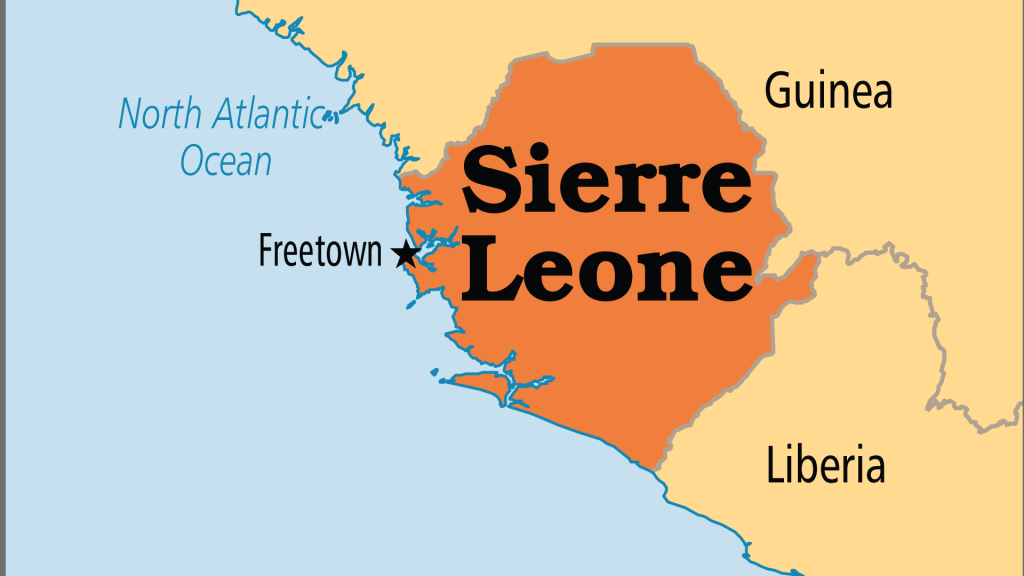
- The Krio People: Concentrated mostly around Freetown and the Western Area, the Krio are predominantly Christian.
- Southeastern Ethnic Groups: Groups like the Kissi, Kono, and Sherbro are predominantly Christian, though they retain large Muslim minorities.
- Northern/Majority Groups: The country’s two largest ethnic groups—the Mende and the Temne—along with northern groups like the Fula and Mandinka, are predominantly Sunni Muslim.
Links for further overview of Sierra Leone:

