
Christianity in South Korea is a major religious force, with roughly 31% of the population identifying as Christian as of 2024–2025. It has grown from just 1–2% in 1900 to become a central component of modern Korean society, culture, and politics.
Key Aspects of Christianity in South Korea:
- Demographics: As of 2025, roughly 31% of South Koreans are Christian, with about 20% identifying as Protestant and 11% as Catholic. The largest Protestant denomination is Presbyterianism.
- Rapid Growth: The faith grew quickly during the 20th century, largely as a response to modernization, education, and social upheaval, particularly during the Japanese colonial period, where it was seen as a form of nationalist resistance.
- Global Influence: South Korea has become the world’s second-largest sender of Christian missionaries, surpassed only by the United States.
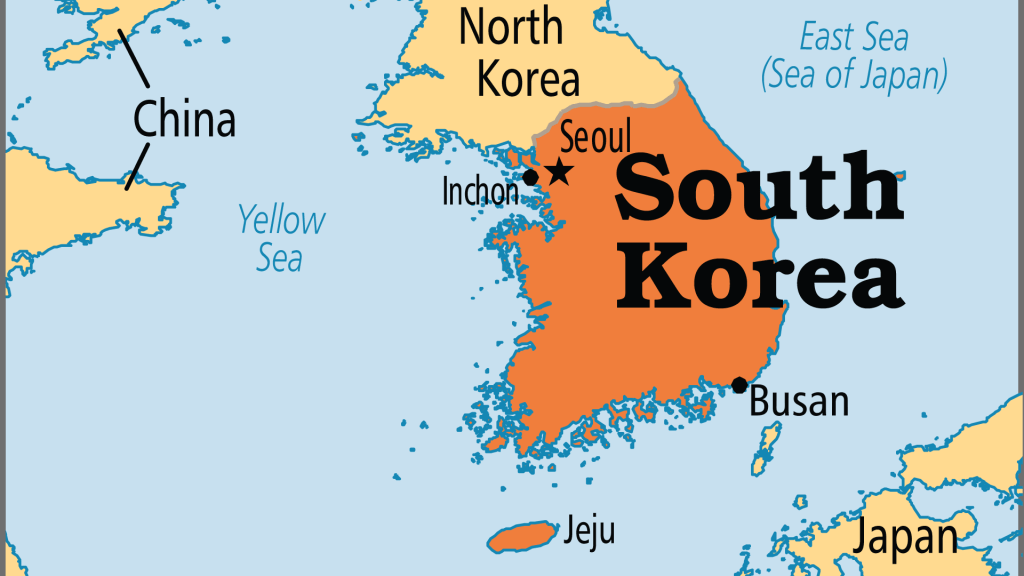
- Key Centers: Christianity is highly concentrated in urban areas, with Seoul, Incheon, and Gyeonggi province being strongholds.
- Social Role: Christians founded hundreds of schools and universities, including three of the top five academic institutions, influencing education significantly.
Key Historical & Cultural Context:
- Indigenous Beginnings: Unlike many other places, Catholicism in Korea began in the late 18th century as an indigenous lay movement, rather than being introduced by foreign missionaries.
- Protestant Arrival: Protestant missionaries arrived in the 1880s and were seen as bringing modernization and Western education.
- The “Jerusalem of the East”: Before the Korean War, Pyongyang was a major Christian center, with a high concentration of Christians, most of whom fled to the South during the war.
- Modern Challenges: In the 21st century, growth has slowed due to internal church leadership scandals and criticism regarding fundamentalism.
Major Denominations and Movements:
- Protestantism: Dominated by Presbyterianism, Methodism, and Baptists, with the Yoido Full Gospel Church being the world’s largest Pentecostal church.
- Catholicism: Experienced significant growth from the 1970s to 1980s, becoming popular among intellectuals and the middle class.
- New Religious Movements: Various indigenous, often non-denominational, movements have also developed.
While Catholicism tends to be seen as more progressive, some Protestant groups are viewed as more conservative, with significant social influence and occasional friction with other religious groups.
Links for further overview of South Korea (Republic of Korea):

