
Christianity is the dominant religion in South Africa, with 85.3% of the population (approximately 52.8 million people) identifying as Christian according to recent census data. The country’s religious landscape is highly pluralistic and diverse, characterized by a mix of traditional European denominations, fast-growing Pentecostal ministries, and massive African indigenous church movements. Religious freedom for all faiths is fully protected under the South African Constitution.
Major Denominational Landscape
No single denomination dominates the landscape. The major groupings include:
- African Initiated/Independent Churches (AICs): This is the largest category of Christian churches in the country, boasting over 10 million adherents. The single largest entity is the Zion Christian Church (ZCC), which has over four million members. The ZCC combines Biblical teachings with African cultural practices.
- Pentecostal and Charismatic Churches: These ministries represent the fastest-growing sector in modern South Africa. They range from massive “miracle centers” and prosperity-gospel ministries to smaller storefront setups in urban hubs.
- Mainline Protestant Churches: Historically influential denominations include the Methodist, Anglican, Presbyterian, and Lutheran churches. Famous anti-apartheid figures like Archbishop Desmond Tutu belonged to the Anglican Church.
- The Catholic Church: Roman Catholicism retains a sizable and highly active presence throughout local communities.
- Afrikaans Reformed Churches: The Dutch Reformed Church (Nederduitse Gereformeerde Kerk or NGK) historically played a massive role in shaping the social framework of the country’s Afrikaans-speaking population.
Key Historical & Social Realities
- The Paradox of Apartheid: Christianity was utilized on both sides of the liberation struggle. The apartheid government weaponized Calvinist theology via the Dutch Reformed Church to justify racial segregation. Conversely, Christian resistance bodies like the South African Council of Churches and leaders like Tutu used prophetic theology to dismantle the regime.
- Cultural Syncretism: A defining aspect of South African Christianity is the blending of faith with African Traditional Religion (ATR). Many self-professed Christians simultaneously honor ancestral veneration and indigenous spiritual practices.
- Demographic Shift: While initially brought over and institutionalized by European colonial powers and missionaries, the overall demographic of South African Christianity has completely shifted over the last century. The vast majority of active churchgoers today are Black South Africans.
- The Shift Away from Mainline Denominations: Recent census reports highlight a distinct decline in traditional, mainline European churches. Concurrently, post-colonial, Neo-Pentecostal, and indigenous movements are seeing a rapid explosion in numbers.
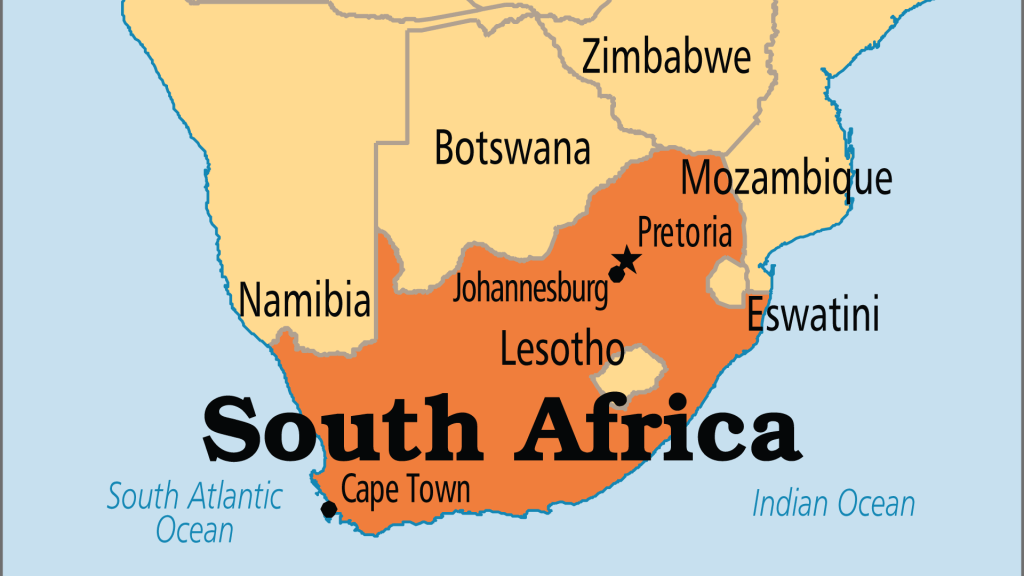
Further links for overview of South Africa:

