
Christianity is the predominant religion in Mexico, encompassing approximately 91.3% of the total population. While the country is a strictly secular state with no official religion, Christian values and practices remain deeply embedded in its cultural identity.
Major Denominations & Demographics
According to national census data, Mexico’s Christian landscape is shifting, characterized by a slow decline in traditional Roman Catholicism alongside a steady rise in Protestant and Evangelical movements.
- Roman Catholicism (77.8%): Mexico remains home to one of the largest Catholic populations in the world. However, this reflects a drop from 82.7% in 2010 and 96% in 1970.
- Protestantism & Evangelicalism (11.2%): This represents the fastest-growing religious group. Communities expand most rapidly in southern rural states like Chiapas.
- Other Christian Traditions (1.8%): This includes distinct groups like Jehovah’s Witnesses, the Church of Jesus Christ of Latter-day Saints (Mormons), and Seventh-day Adventists.
Religious Syncretism & Distinct Traditions
Mexican Christianity is world-renowned for its syncretism—the blending of European Roman Catholicism with indigenous Aztec and Mayan polytheistic practices.
- Our Lady of Guadalupe: The cornerstone of Mexican Catholic identity. Her apparition to the indigenous peasant Juan Diego in 1531 highly resembled the Aztec mother goddess Tonantzin, aiding mass conversion by bridging Spanish theology with native symbols.
- Day of the Dead (Día de los Muertos): A fusion of pre-Hispanic customs honoring the deceased and the Catholic liturgical days of All Saints’ Day and All Souls’ Day. Altars feature Catholic items like crucifixes and rosaries alongside indigenous marigold flowers and food offerings.
- Concheros Dances: Ceremonial dances performed outside major churches. Dancers use traditional pre-Hispanic costumes, steps, and drums to honor God and Christian saints.
Legal Status and Social Landscape
- Separation of Church and State: The Mexican Constitution strictly guarantees religious freedom. Historically, 19th-century liberal reforms and the post-Revolutionary Constitution severely restricted the political power and property ownership of the Catholic Church.
- Cultural vs. Practicing Beliefs: For many Mexicans, Catholicism is an inherited cultural identity rather than active practice. While over three-quarters of the population identify as Catholic, only an estimated 10% to 16% regularly attend church or pray daily.
- Localized Tensions: In some remote indigenous communities, converting away from traditional syncretic Catholicism to Evangelical Christianity can spark local backlash over refusal to fund or participate in traditional pagan-influenced festivals.
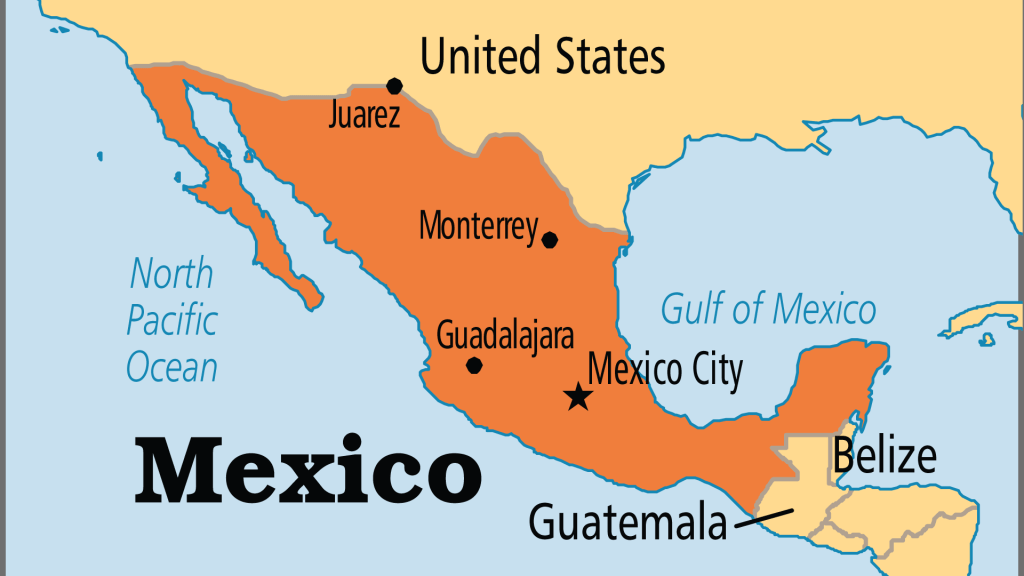
Links for further overview of Mexico:

