

Christianity is the dominant religion in Ecuador, with over 90% of the population identifying as Christian. Roman Catholicism remains the largest denomination, representing approximately 74% to 80% of the population. However, Evangelical Protestantism and Pentecostal movements have grown rapidly in recent decades, particularly within indigenous communities.
Historical Overview
- Spanish Conquest: Christianity was introduced to Ecuador in 1534 by Spanish conquistadors and Catholic missionaries.
- Colonial Hub: The Diocese of Quito was established in 1545, making the Catholic Church the primary authority on education, healthcare, and art.
- Liberal Reforms: The late 19th and early 20th centuries brought constitutional changes that ended the Catholic Church’s status as the official state religion, paving the way for religious freedom.
Major Denominations
- Roman Catholicism: It serves as the cultural and historical backbone of the nation. Major cities like Quito and Cuenca feature prominent historic cathedrals that dominate public life.
- Protestantism & Evangelicalism: Reaching between 10% and 13% of the population, Protestant groups (especially Baptists and Pentecostals) have seen significant growth. Ministries like Avant Ministries and historical projects like HCJB Radio have driven this expansion.
- Other Groups: The Church of Jesus Christ of Latter-day Saints (Mormons) has a notable presence with over 180,000 members, alongside smaller groups of Jehovah’s Witnesses and Eastern Orthodox Christians.
Cultural Influence and Syncretism
- Indigenous Syncretism: In rural and highland regions, Catholic traditions heavily blend with ancient indigenous Andean beliefs. For instance, some indigenous communities mirror the Virgin Mary with Pachamama (Mother Earth).
- Public Sphere: While Ecuador is a secular state by constitution, Christian symbols, holidays, and patron saint festivals remain deeply embedded in daily life, local businesses, and national holidays.
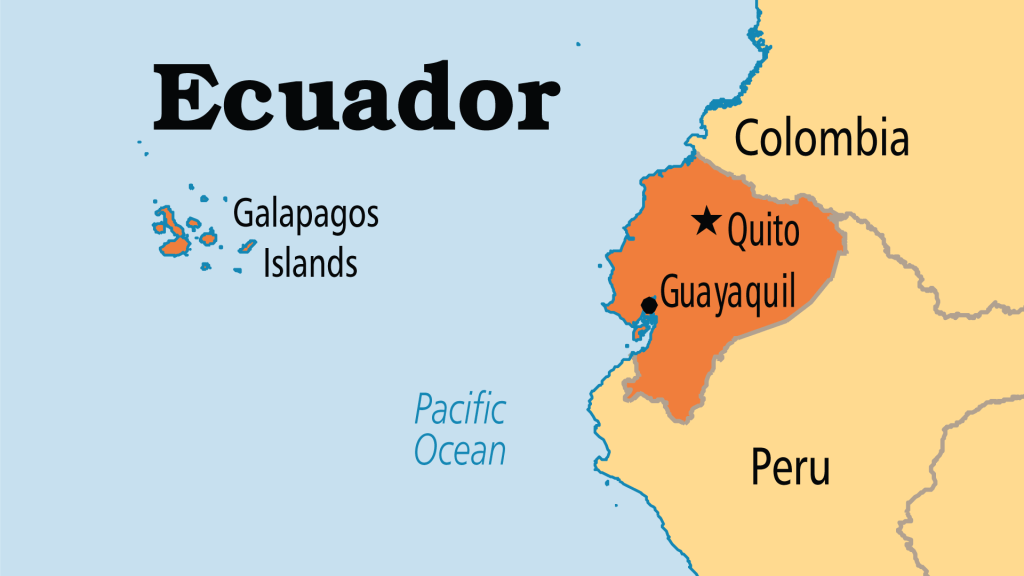
Links for further overview of Ecuador:

