
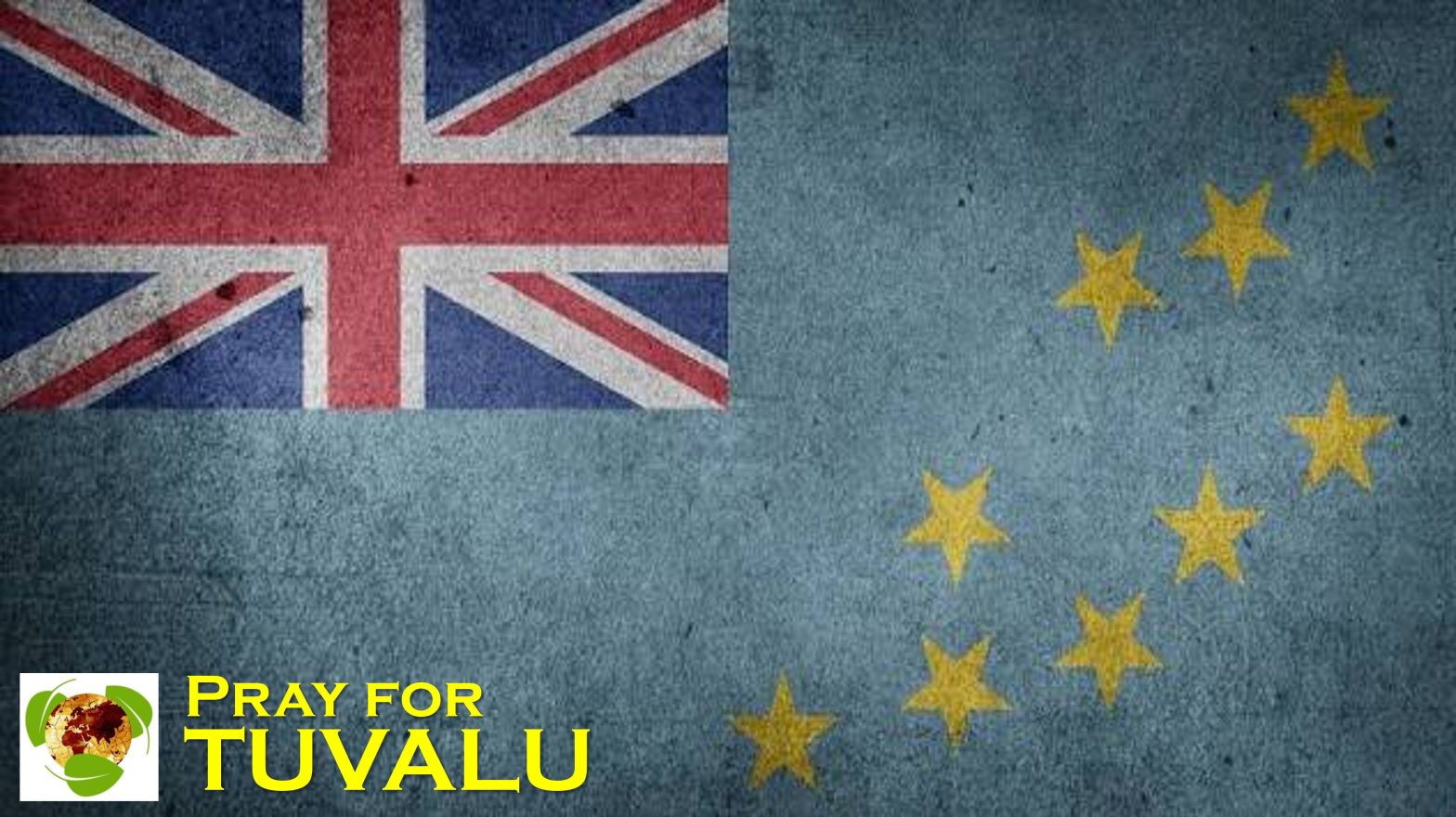
Christianity is the predominant religion in Tuvalu, with approximately 86% of the population belonging to the Church of Tuvalu (Te Ekalesia Kelisiano Tuvalu, or EKT). The Constitution of Tuvalu explicitly declares the country a “Christian nation,” blending religious governance tightly with traditional local customs.
The State Church (EKT)
- Denomination: Calvinist in orientation with a Congregationalist polity.
- Legal Status: It is the designated state church.
- Privileges: Holds the unique right to perform special services at major national events.
- Leadership: All traditional island chiefs (ali’i) belong to the EKT, weaving church leadership directly into the social hierarchy.
Historical Origins
- 1861: A Cook Islands Christian deacon named Elekana drifted in a storm and landed on Nukulaelae, introducing the Gospel.
- 1865: The London Missionary Society (LMS) arrived to establish permanent missions.
- Samoan Influence: Early pastors were mostly Samoan, heavily shaping the Tuvaluan language, literacy, and church music.
- 1968: The local church achieved full autonomy from the LMS and Samoan church networks.
Religious Freedom & Minority Groups
While the law provides for freedom of belief, practicing minority faiths can face hurdles:
- Minority Denominations: The remaining population includes Seventh-day Adventists (~3%), the Tuvalu Brethren Church (~3%), Jehovah’s Witnesses, and small numbers of Roman Catholics.
- The Falekaupule Law: Traditional elder councils hold the legal authority to block new religious groups from meeting publicly if they deem them a threat to traditional island values. As a result, most minority faiths are concentrated in the capital, Funafuti.

Links for further overview of Tuvalu:

