
Christianity in Mongolia is a small minority faith practiced by about 1.3% to 2% of the population, primarily consisting of Protestants, along with smaller groups of Catholics and other denominations. The modern Christian community grew rapidly from fewer than 40 known believers in 1990—when the nation transitioned to a democracy—to tens of thousands of members today.
History and Early Presence
- Ancient roots: Nestorian Christianity was present among several Central Asian nomadic tribes (such as the Keraits and Onguuds) and influenced some members of the Mongol imperial court in the 13th century.
- Suppression: This early church faded as other religions like Buddhism and Islam rose to prominence, and organized Christian presence was later completely wiped out during decades of 20th-century communist rule.
Modern Revival and Demographics
- Post-1990 growth: Following the 1990 democratic revolution, foreign missionaries and local evangelists re-established churches.
- Current size: The 2020 national census recorded over 42,000 Christians, though independent religious estimates range up to roughly 60,000 adherents, predominantly meeting in Protestant and evangelical fellowships.
- Catholic community: The Catholic Church remains very small with fewer than 1,500 members, highlighted by a historic papal visit from Pope Francis in 2023.
Cultural and Legal Context
- Dominant faiths: The majority of Mongolians practice Tibetan Buddhism or adhere to traditional shamanistic and non-religious beliefs.
- Legal framework: While the Mongolian constitution guarantees religious freedom, strict regulations govern foreign workers and proselytism, meaning groups must navigate specific visa and registration limits.
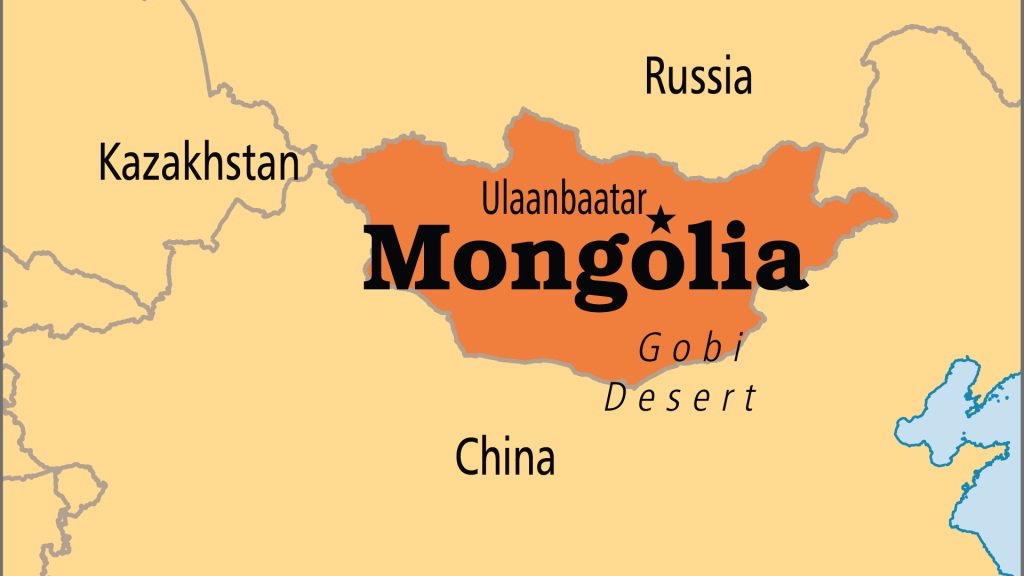
Links for further overview of Mongolia:

