
Christianity in Yemen is an ancient but highly repressed minority religion, with a history dating back to the 4th century. Today, Yemen is 99.7% Muslim, and the country’s tiny Christian population—comprising just 0.02% of the population—endures extreme persecution.
Ancient and Medieval History
- Early Roots: Christianity became widespread in southwestern Arabia as early as the 4th and 5th centuries, long before the arrival of Islam. The port city of Aden and the northern oasis of Najran (now part of Saudi Arabia) were major early centers of the faith.
- Aksumite Rule: In the early 520s, a Jewish king named Dhu Nuwas seized power in the Himyarite Kingdom and instigated a brutal massacre of Christians in Najran. This prompted a military invasion by the Christian Kingdom of Aksum (modern-day Ethiopia), which successfully established Christian Aksumite rule over Yemen for several decades in the 6th century. During this era, about one-third of Yemen’s population was Christian.
- The Arrival of Islam: Following the introduction of Islam to the region around A.D. 630, the local Christian population rapidly declined through forced conformity, flight, and gradual conversion over subsequent centuries.
Modern State of the Church
Today, Open Doors US ranks Yemen as the 5th worst country in the world for Christian persecution.
| Aspect | Current Situation |
|---|---|
| Demographics | The remaining Christian community consists of two distinct groups: a very small number of foreign expatriates and a growing, native population of Muslim-background believers (converts). |
| Places of Worship | Non-Muslim places of worship have not been legally authorized for years, and building new churches is prohibited. Historically, only four official churches remained in Aden (three Roman Catholic and one Anglican), but most have been ransacked, closed, or destroyed due to the civil war. |
| Legal Framework | Yemen operates under strict Sharia Law. Proselytizing to Muslims is completely illegal, and apostasy (leaving Islam) is a capital offense legally punishable by death. |
Persecution and the Impact of Civil War
The ongoing Yemeni Civil War, which began escalating heavily in 2015, has severely worsened conditions for the underground church.
- Complete Secrecy: Native Christians must practice their faith in total isolation and absolute secrecy. If their beliefs are discovered, they risk execution by the state, extrajudicial murder by Islamic extremist groups (such as Al-Qaeda or ISIS), or severe familial repercussions including forced divorce and the loss of child custody.
- Regional Crackdowns: In the southern regions, fractured rule allows radical groups to terrorize local believers. In the heavily policed, Houthi-controlled northern areas, authorities brutally repress any religious dissent. A severe crackdown in early 2026 saw more than 50 Christians arrested, interrogated, and held in secret locations without legal intervention.
- Aid Discrimination: Because humanitarian and emergency aid is primarily distributed through local mosques, known or suspected Christians are frequently discriminated against and denied basic necessities like food and medical supplies.
Despite these extreme dangers, Christian ministries report that a growing number of Yemenis are secretly turning to Christianity through international radio broadcasts, satellite television, and internet resources.
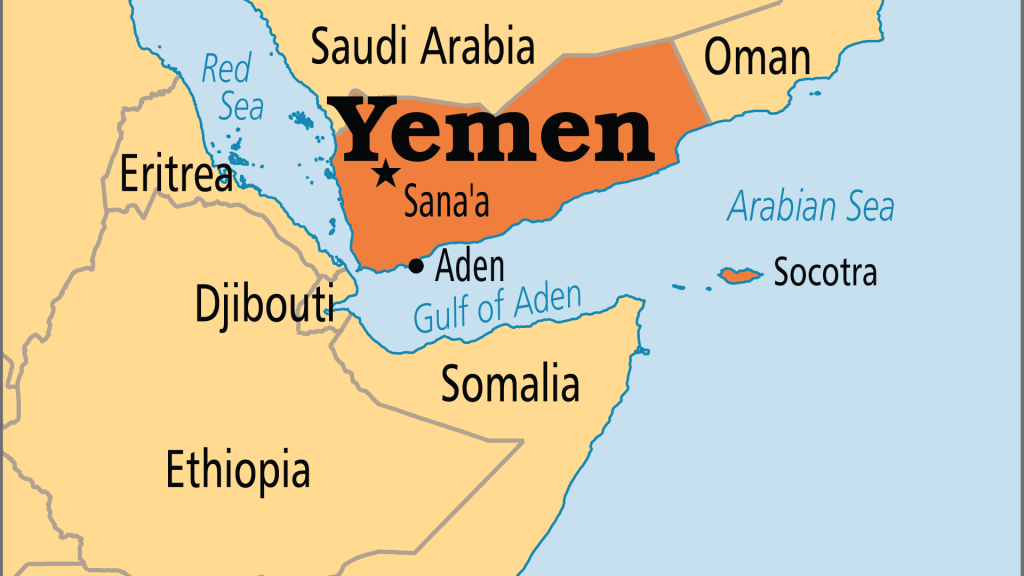
Further links for overview of Yemen:

