

Christianity in Tunisia is a small minority religion representing roughly 22,000 to 30,000 adherents in a predominantly Sunni Muslim nation. While Christians make up less than 0.3% of the modern population, the country holds an exceptionally deep and influential place in early Christian history.
Ancient Historical Roots
- The Hub of Carthage: Ancient Carthage (located in modern-day Tunis) was the thriving theological capital of Roman North Africa.
- Church Fathers: The region produced foundational theologians like Tertullian (a Tunisian lawyer who coined the term “Trinity”), Cyprian, and Augustine (who studied and taught in Carthage).
- Early Martyrs: The city was renowned for the resilience of early believers facing intense Roman persecution, most notably exemplified by the martyrdom of Saints Perpetua and Felicity.
- Decline: Following the 7th-century Islamic conquests and centuries of subsequent pressures (such as the jizya tax), the native Christian population gradually disappeared. It saw a temporary resurgence during the French colonial era (1881–1956) due to European migration.
Modern Demographics & Denominations
The contemporary Christian community is distinctively diverse and largely comprised of three core groups:
- Roman Catholics: The largest segment, numbering over 24,000. The Archdiocese of Tunis operates historic institutions including the iconic Cathedral of St. Vincent de Paul.
- Protestant & Orthodox: Comprising foreign residents, expatriates, and a small network of local evangelical fellowships.
- Sub-Saharan Migrants: A major portion of practicing Christians in the country today consists of students and migrant workers from sub-Saharan Africa.
- Tunisian Converts: A small but growing number of native Tunisians who have converted from Islam to Christianity.
Legal Status and Social Challenges
- Government Relations: The Tunisian state officially permits the Catholic Church to operate schools, clinics, and libraries, provided they do not engage in public proselytizing.
- Restrictions on Evangelism: Public evangelism or sharing the Christian faith with Muslims is illegal.
- Social & Family Pressures: Native Tunisian converts frequently face intense social hostility. Discovering a convert’s faith can result in verbal abuse, employment discrimination, and rejection or physical threats from their family.
- Surveillance: Human rights watchdogs note that non-sanctioned house churches and foreign Christian networks are subject to tight government monitoring.
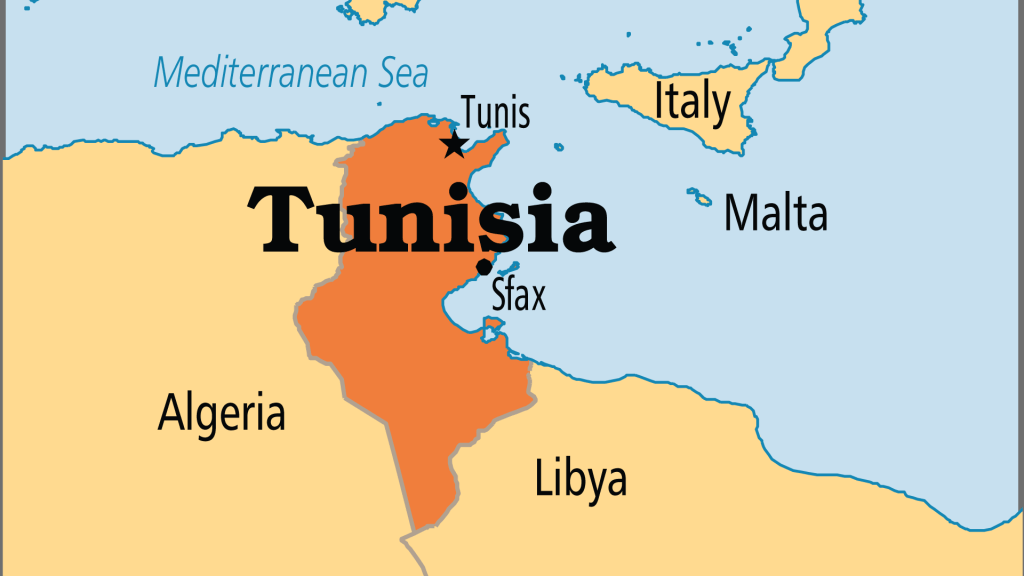
Links for further overview of Tunisia:

