
Christianity is the dominant religion in Lesotho, practiced by an estimated 90% to 95% of the population. Introduced in the early 19th century, the faith has deeply woven itself into the nation’s political, educational, and cultural landscapes.
Demographics and Major Denominations
The Christian population is divided primarily between Protestants and Roman Catholics, with various independent African churches also holding a significant presence. According to recent demographic data from sources like Afrobarometer:
- Protestants (approx. 56%): This broad group includes Anglicans, Methodists, Pentecostals, Baptists, and Seventh-day Adventists. The Lesotho Evangelical Church (LEC), founded by French missionaries, stands as one of the oldest and most prominent Protestant bodies in the country.
- Roman Catholics (approx. 39% to 45%): Historically the largest single denomination, the Catholic Church operates under the Metropolitan Archbishop of Maseru and heavily influences civic life.
- Independent and Zionist Churches: These are smaller, locally established African churches that blend Pentecostal worship styles with traditional African rituals.
Historical Background
Christianity arrived in Lesotho in the 1830s at the explicit invitation of King Moshoeshoe I, the founder of the Basotho nation. He believed that hosting European missionaries would bring diplomatic benefits and help preserve peace amidst regional conflicts.
The first to arrive were French Protestants from the Paris Evangelical Mission Society (PEMS) in 1833, followed by Roman Catholic missionaries in 1863. While King Moshoeshoe I accommodated the missions and utilized their literacy training, he famously retained his own indigenous traditions throughout his life.
Influence on Society and Education
The church remains a cornerstone of daily life and state infrastructure in Lesotho:
- Education: Christian missions originally introduced formal literacy to the country. Today, religious institutions own and operate roughly 80% of primary and over 60% of secondary schools. These schools receive public funding, and the government pays the teachers, making the church a vital partner in national education.
- Politics: Denominational ties historically mirrored political factions. The Catholic Church played a large role in founding the Basotho National Party (BNP) in 1959, while the opposition Basutoland Congress Party (BCP) was traditionally aligned with the Protestant Lesotho Evangelical Church.
- Ecumenical Action: The Christian Council of Lesotho (CCL) is a powerful civil society organization. Beyond fostering unity among churches, the CCL regularly acts as a mediator during national political crises and monitors democratic elections to promote peace.
Cultural Syncretism
A defining characteristic of Christianity in Lesotho is religious syncretism—the blending of Christian theology with indigenous Basotho customs. Many practicing Christians concurrently observe traditional rituals, particularly ancestor veneration (Badimo). It is common to believe that ancestors act as essential mediators between human beings and God (Modimo).
Furthermore, mainline Christian bodies have adapted culturally. Catholic and Anglican services frequently incorporate traditional Sesotho call-and-response hymn singing, and clergy occasionally wear vestments inspired by traditional Basotho attire.
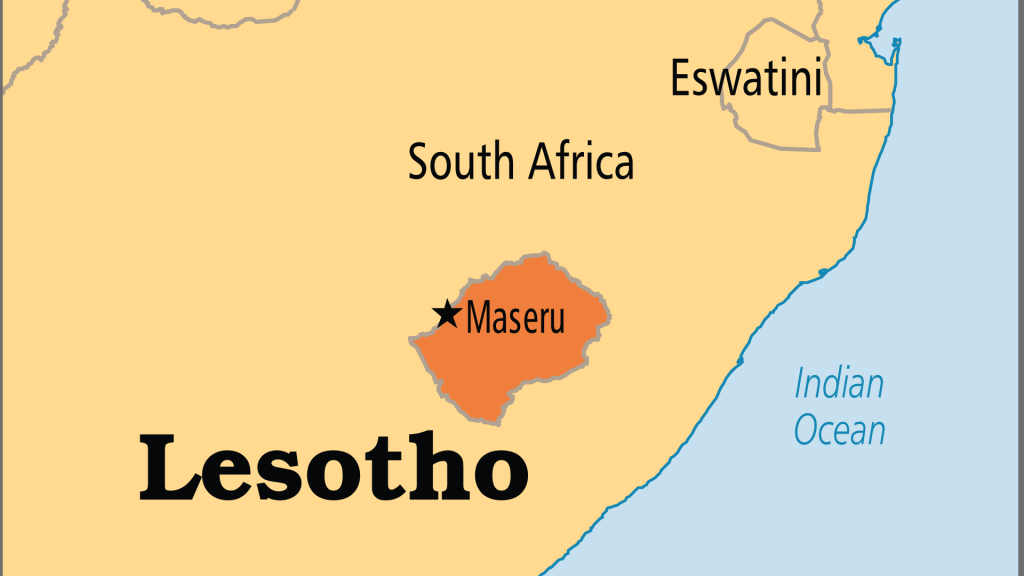
Links for further overview of Lesotho:

