
Christianity is the predominant religion in Liberia, with approximately 84.9% of the population identifying as Christian according to recent national census data. While the nation operates as a constitutionally secular state that guarantees complete freedom of religion, Christianity has deeply influenced the country’s national identity, historical framework, and public life since the early 19th century.
Historical Origins
- Americo-Liberian Settlers: Modern Christianity was introduced to Liberia in 1822 by freed American slaves resettled by the American Colonization Society.
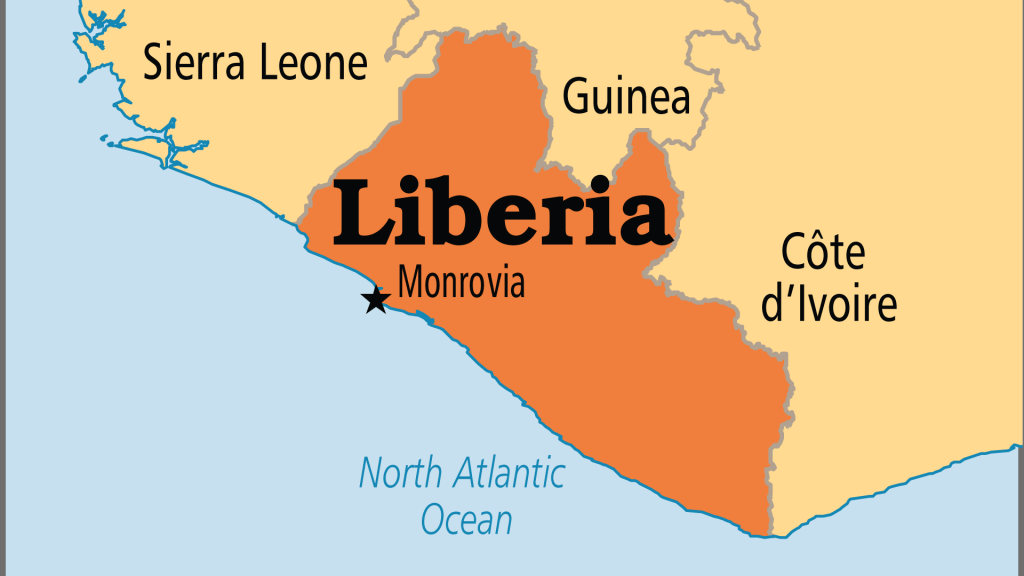
- The “City of Christ”: Early settlers established the capital, Monrovia, with strong religious foundations, originally naming it Christopolis (City of Christ) before renaming it after U.S. President James Monroe.
- Missionary Expansion: Moving inward from the coast, Christian missionaries established schools and clinics, gradually spreading the faith among the indigenous population.
Major Denominations
The Liberian Christian landscape is highly diverse, dominated heavily by Protestantism.
- The United Methodist Church: This is the largest single Christian denomination in the country.
- Other Mainline Protestants: Significant populations belong to Baptist, Lutheran, Episcopalian, and Presbyterian churches.
- Methodist Offshoots: The African Methodist Episcopal (AME) and AME Zion churches maintain a historic and active presence.
- Pentecostal & Evangelical Movements: Independent Pentecostal churches are expanding rapidly, though the spread of the prosperity gospel remains a subject of domestic theological debate.
- Roman Catholicism: Catholics comprise a smaller but highly structured minority (around 7% of the population).
Cultural and Political Impact
- Syncretism: Dual religious practice is common; many Liberian Christians weave traditional indigenous spiritual customs into their personal theology.
- Public Life: Public schools include nonsectarian moral and religious education in their curricula. Government ceremonies routinely open with Christian rites, and officials traditionally swear oaths on the Bible.
- The Secular vs. Christian Debate: Despite a constitutional amendment in 1986 defining Liberia as a secular state, public debates frequently emerge regarding whether Liberia should formally revert to its historical identity as a “Christian Nation”.
- Interfaith Cooperation: Christians work closely with the country’s Muslim minority (about 12% of citizens) through bodies like the Inter-Religious Council of Liberia to maintain peace and resolve social disputes.
Links for further overview of Liberia:
 Stichting HEALING THE NATIONS