
Christianity is the predominant religion in South Sudan, practiced by roughly 60.5% of the population. The faith serves as a cornerstone of the nation’s cultural identity. It functions as a powerful unifier across different ethnic boundaries.
Major Denominations
The South Sudanese Christian community is highly diverse but dominated by three main traditions:
- Roman Catholicism: The largest single denomination, making up more than half of all Christians in the country. President Salva Kiir Mayardit is a practicing Catholic.
- Anglicanism: Represented primarily by the Episcopal Church of South Sudan, which grew rapidly during periods of regional displacement.
- Presbyterianism: The third largest traditional group, deeply rooted in local communities.
- Other Groups: Fast-growing Pentecostal, Evangelical, and African Inland churches operate alongside small communities of Coptic, Ethiopian, and Greek Orthodox Christians.
Historical and Political Context
European missionaries introduced Christianity to the region during the 19th and 20th centuries. During the decades of civil war leading up to secession from Sudan, religious identity became a symbol of resistance. While the regime in Khartoum attempted to enforce an Islamic state, southern Sudanese communities rallied around their Christian and indigenous heritages. This shared faith fueled the political imagination that ultimately culminated in South Sudan’s independence in 2011.
Cultural Syncretism and Faith Practices
A unique aspect of South Sudanese Christianity is its interaction with indigenous traditions. Roughly 33% of citizens solely practice traditional African religions, which revolve around a creator god and ancestral spirits. However, many Christians practice a syncretic faith, blending biblical teachings with ancestral rituals and traditional community values. Scripture is often interpreted literally, focusing heavily on themes of spiritual liberation and triumph over adversity.
Social Role and Contemporary Challenges
The church remains one of the most trusted institutions in South Sudan. Because political instability, ethnic conflict, and infrastructure gaps plague the young nation, church networks often step in to deliver humanitarian aid, run schools, and manage hospitals. Local parishes provide physical and emotional sanctuaries for internally displaced persons.
International Christian figures maintain strong ties with the state. High-profile diplomatic efforts—such as the historic ecumenical peace pilgrimage featuring Pope Francis, the Archbishop of Canterbury, and the Moderator of the Church of Scotland—highlight the ongoing global push to support the local church in fostering national reconciliation.
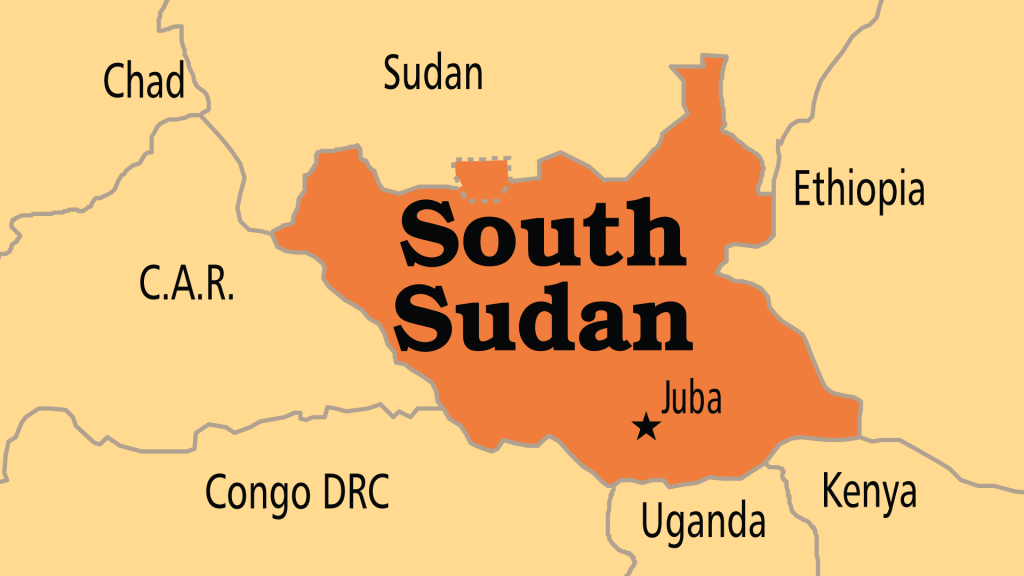
Links for further overview of South Sudan:

