
Christianity is one of the dominant religions in Côte d’Ivoire (Ivory Coast), practiced by 39.8% of the total population according to the official national census. The country features a unique religious landscape characterized by a geographic split, diverse denominational groups, and native syncretic movements.
Demographics and Geographic Split
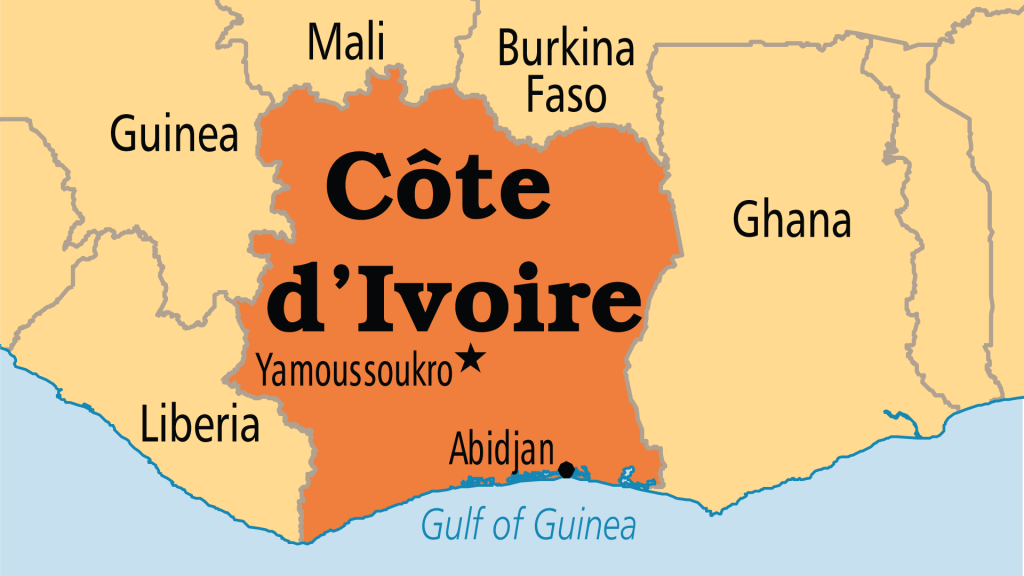
- The Southern Concentration: Christianity is predominantly practiced in the southern half of the country and in major urban centers like Abidjan. Conversely, Islam (the country’s largest religious group at 42.5%) is mostly concentrated in the far north.
- Denominational Breakdown:
- Roman Catholics: Make up 17% of the total national population and represent the largest single Christian body.
- Evangelicals and Pentecostals: Form about 11.8% of the population and have experienced the fastest growth since the 1990s.
- Methodists: Form approximately 2.3% of the population.
- Other Denominations: Include Assemblies of God, Southern Baptists, Seventh-day Adventists, Jehovah’s Witnesses, and The Church of Jesus Christ of Latter-day Saints.
Unique Indigenous Movements
- Harrism: A unique, homegrown Christian movement founded in 1914 by Liberian preacher William Wade Harris. It commands a strong following along the southern coast. Harrist Christianity traditionally promotes an austere lifestyle, denounces conspicuous wealth, and rejects traditional fetishes.
- Celestial Church of Christ: A popular independent African Christian church with a notable local footprint.
- Syncretism: Many Ivorians practice dual-adherence, blending orthodox Christian theology with elements of traditional African religions, animism, and ancestral rites.
Cultural and Architectural Landmarks
- The Basilica of Our Lady of Peace: Located in the political capital, Yamoussoukro, this massive Roman Catholic minor basilica is recognized as the largest Christian church building in the world by surface area.
- Social Rhythm: Christian holidays like Christmas and Easter are celebrated as official national holidays, deeply shaping public and social life in the south.
Religious Freedom and Social Cohesion
- Constitutional Secularism: The Ivorian Constitution guarantees complete freedom of worship and mandates a secular state.
- Interfaith Relations: Despite historical political tensions that sometimes aligned with regional ethnic and religious divides, relations between Christians and Muslims are largely cooperative. Organizations like the Forum of Religious Confessions actively build dialogue to ensure social stability.
Links for further overview of Cote d’Ivoire:

