
Christianity is the predominant religion in Cabo Verde, with over 94% of the population identifying as Christian. The nation, characterized by its Portuguese-African Creole culture, has a deep-rooted Catholic majority.
Key Aspects of Christianity in Cabo Verde:
- Roman Catholicism (Majority): Approximately 73% to 85% of the population is Roman Catholic. It was introduced in the 15th century by Portuguese settlers and is historically dominant.
- Protestant & Evangelical Growth: Around 5% to 10% are Protestant. The Church of the Nazarene is the largest Protestant denomination, followed by Seventh-day Adventists, Assemblies of God, and the Universal Church of the Kingdom of God.
- Syncretism: Catholic practices are often combined with African customs, especially on Santiago island, where saints’ days are celebrated with drumming and dance.
- Religious Freedom: The constitution guarantees freedom of religion and worship.
- Other Groups: Small numbers of Muslims and followers of other faiths exist, with a small but growing presence.
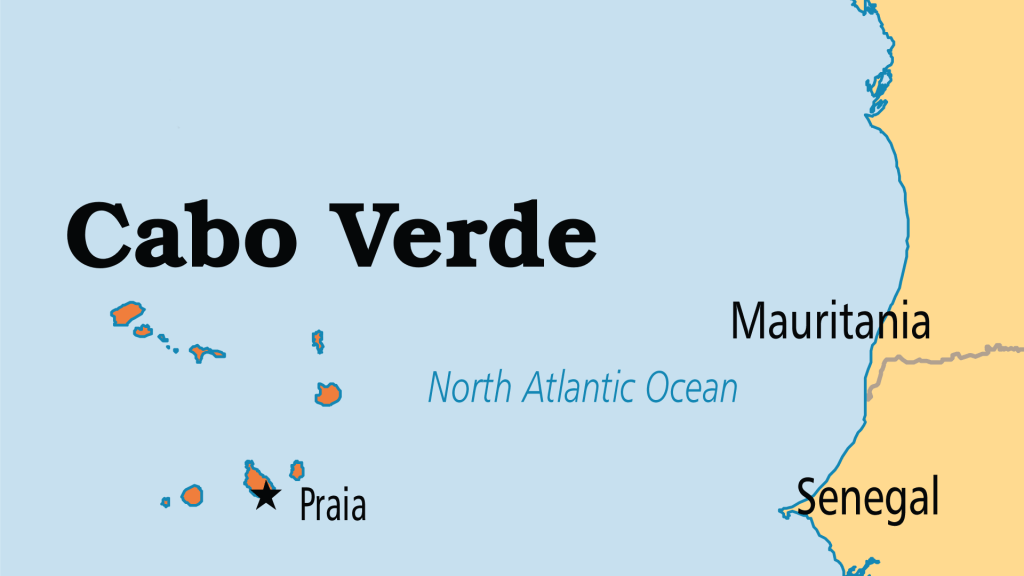
- Other Christian Traditions: The Church of Jesus Christ of Latter-day Saints has a presence and dedicated its first temple in Praia in 2022.
Key Trends & History
- Establishment: Catholicism was established in 1533 on the island of Santiago, initially used to baptize enslaved people upon arrival.
- Independence & Impact: Since independence in 1975, the state has been secular, but the Catholic Church remains influential in social, educational, and cultural life.
- Rabelados: A distinct community on Santiago island that broke away from the Catholic Church in the 1940s to maintain traditional practices.
- Migration: Many Cape Verdeans living abroad (USA, Portugal) maintain ties, influencing the religious landscape of the islands through returnees.
Links for further overview of Cabo Verde:

