
Christianity in Cambodia is a minority faith, making up roughly 2% to 3% of the population, the vast majority of whom are Theravada Buddhists. Though foreign missions began in the 1920s, nearly all church structures and leaders were wiped out during the Khmer Rouge regime in the 1970s.
Demographics
- Population: An estimated 250,000 to 350,000 Cambodians identify as Christian.
- Denominations: The demographic is primarily Protestant and Evangelical, alongside a smaller Catholic community of roughly 20,000 to 75,000 adherents.
- Growth: The church has experienced rapid growth since the 1990s, expanding from a few hundred surviving members to over 2,000 churches nationwide.
History and Resurgence
- Early Missions: Protestant missionary work formally began in Cambodia in 1923, focusing on Bible translation and church planting.
- The Khmer Rouge Era (1975–1979): The regime viewed Christianity as an instrument of Western imperialism. Missionaries were expelled, and an estimated \(90\%\) of Christians—along with nearly all religious leaders—were martyred or fled.
- Refugee Camps and Rebuilding: In the 1980s and 1990s, the faith was largely revitalized in refugee camps along the Thai border. When Cambodia reopened, international aid and mission agencies returned to support local communities.
Society and Culture
- Religious Freedom: The Cambodian Constitution guarantees religious freedom, and the government generally respects this right.
- Cultural Challenges: Because Theravada Buddhism is deeply intertwined with Khmer national identity, Christians often face social friction. This frequently appears in rural areas, where conversion may cause tension with traditional practices like ancestor worship.
- Urban vs. Rural: The church has a strong urban presence, especially among young adults and university students, though active village outreach and church planting efforts continue to expand into rural regions.
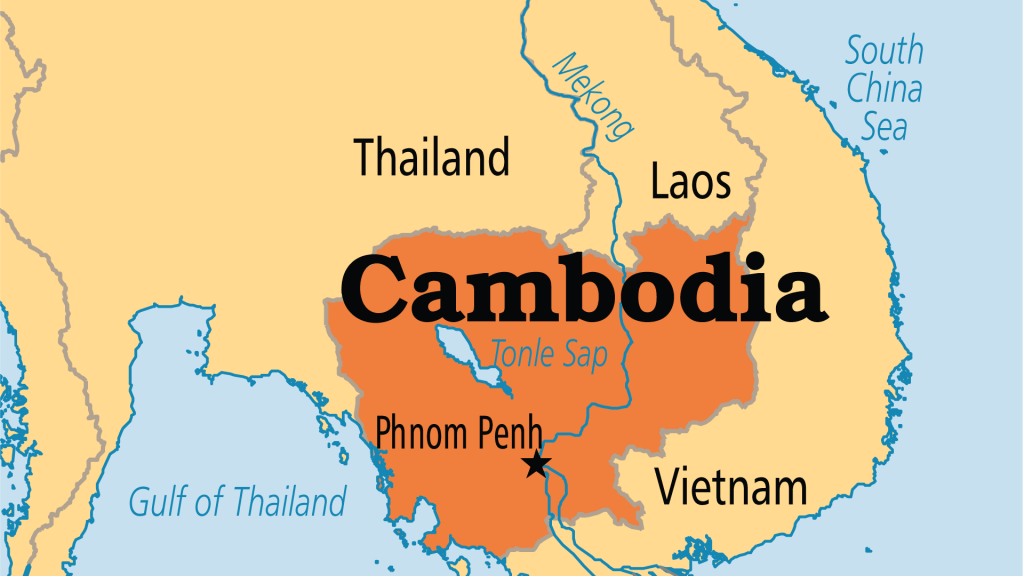
Links for further overview of Cambodia:

