
Christianity is the predominant religion in Nicaragua, with over 80% to 95% of the population identifying as Christian. Historically a profoundly Roman Catholic nation, Nicaragua has seen a significant demographic shift over recent decades due to the rapid growth of evangelical and Protestant denominations. However, the contemporary landscape of Nicaraguan Christianity is heavily defined by an intense, systematic government crackdown on religious institutions.
Demographics and Major Denominations
While the country remains mostly Christian, the balance between major groups has shifted dramatically:
- Roman Catholicism: Historically the dominant faith, Catholicism still claims the largest single share of the population—estimated at roughly 41% to 59% depending on the survey.
- Evangelical Protestantism: Encompassing groups like the Assemblies of God, Pentecostals, Baptists, and Mennonites, Evangelicals have grown exponentially from just over 2% in 1960 to roughly 38% to 41% of the population today.
- Other Christian Groups: Smaller numbers of Nicaraguans adhere to the Moravian Church (prevalent on the Caribbean coast), Jehovah’s Witnesses, and The Church of Jesus Christ of Latter-day Saints.
The State Crackdown and Religious Freedom Crisis
Under the dictatorial co-presidency of Daniel Ortega and Rosario Murillo, the Nicaraguan government has targeted Christian leadership and organizations. What began as retaliation against the Catholic Church for protecting student demonstrators during nationwide protests in 2018 has expanded into a sweeping, total repression of all non-state groups, including hundreds of evangelical organizations.
The Open Doors World Watch List ranks Nicaragua as one of the most hostile places globally to practice Christianity. Key dimensions of this crisis include:
- Imprisonment and Forced Exile: Scores of priests, pastors, and bishops—most notably Bishop Rolando Álvarez—have been arbitrarily arrested, stripped of their citizenship, or forced into exile.
- Closure of Ministry and Educational Entities: The regime has shut down thousands of NGOs, including Catholic and evangelical schools, charities, independent media stations, and major institutions like the Jesuit-run Central American University.
- Severe Constraints on Worship: The state enforces a “silent faith.” The police heavily patrol or outright ban public religious traditions, such as outdoor Good Friday processions, and routinely monitor church sermons to arrest or intimidate religious figures who mention human rights, liberty, or political prisoners.
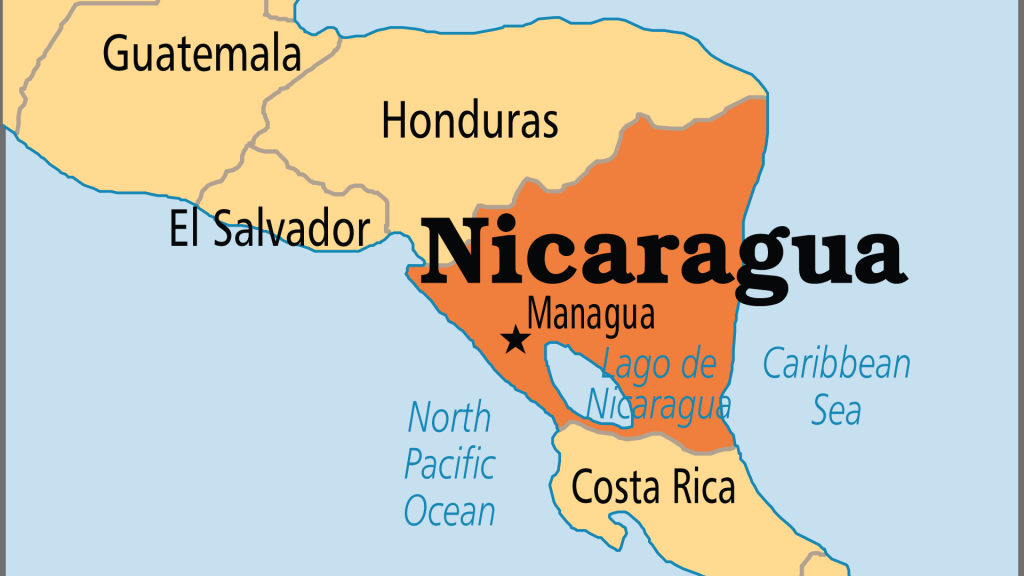
Further links for overview of Nicaragua:

