
Christianity in Finland is characterized by a high rate of formal church membership alongside a deeply secularized society, though it maintains a unique institutional role where two distinct Christian denominations hold legal status as national churches.
While the country is historically and culturally rooted in Christian traditions, regular church attendance is low. However, recent societal shifts have prompted a notable cultural and religious reassessment among the younger generation.
The Two National Churches
Unlike most countries with a single state religion or strict separation of church and state, Finland officially recognizes two national churches. Both enjoy special legal privileges, including the authority to levy church taxes on their members through the national system:
- The Evangelical Lutheran Church of Finland: This is the largest religious body in the country, with 62.2% of the population registered as members. The church is governed by an episcopal structure with a strong tradition of local parish autonomy, and its primary see is located in the historic city of Turku.
- The Orthodox Church of Finland: Accounting for roughly 1% of the population (approx. 55,000 members), the Finnish Orthodox Church functions as an autonomous Eastern Orthodox archdiocese under the Ecumenical Patriarchate of Constantinople. Its administrative seat is in Kuopio, and its most prominent landmark is the Uspenski Cathedral in Helsinki.
                     FINNISH CHRISTIAN POPULATION BREAKDOWN
┌───────────────────────────────────────────────────────────────┬────────────┐
│ Denomination                                                  │ Share (%)  │
├───────────────────────────────────────────────────────────────┼────────────┤
│ Evangelical Lutheran Church                                   │ ~62.2%     │
│ Orthodox Church                                               │ ~1.0%      │
│ Others (Catholic, Pentecostal, Free Church, etc.)             │ ~1.5%      │
│ Non-religious / Unaffiliated                                  │ ~35.3%     │
└───────────────────────────────────────────────────────────────┴────────────┘
Historical Evolution
- Early Introduction (9th–12th Century): Archaeological evidence, such as the 800-year-old Ravattula church ruins near Turku, reveals that Christianity initially spread peacefully via traders and private chapels rather than solely through bloody Crusades. Later, Swedish crusades institutionalized Catholic Christianity, cementing Saint Henry as the patron saint of Finland.
- The Protestant Reformation (16th Century): As part of the Kingdom of Sweden, Finland transitioned smoothly to Lutheranism. The reformer Mikael Agricola translated the New Testament into Finnish in 1548, effectively establishing the written Finnish language.
- Russian Rule & Geopolitics (1809–1917): When Finland became an autonomous Grand Duchy under the Russian Empire, the Lutheran Church split from the Church of Sweden to become an independent national body. Concurrently, Orthodox Christianity expanded in eastern border regions like Karelia. Following Finnish independence, the Orthodox Church cut ties with Moscow and aligned with Constantinople in 1923 to protect its autonomy.
Contemporary Trends and Cultural Shift
- “Belonging without Believing”: The vast majority of Finns use the national church primarily for major life milestones—such as baptisms, weddings, and funerals—while maintaining highly secular day-to-day views.
- The Rise of the Unaffiliated: Since the Freedom of Religion Act was fully established in 1923, formal non-religiosity has steadily climbed, with more than a third of the population now choosing not to belong to any church.
- Emerging Revival Among Youth: In reaction to modern global anxieties (such as geopolitical instability and economic uncertainty), researchers have noted a surge of interest in Christianity among young Finnish men. Rather than viewed as an outdated social obligation, faith is increasingly embraced by youth as a source of stability, meaning, and connection to Finnish national identity.
- Minority Denominations: While small, independent Protestant groups (like Pentecostals) and the Roman Catholic Church are seeing gradual, intentional growth, often driven by immigrant communities and young adults seeking traditional theological clarity.
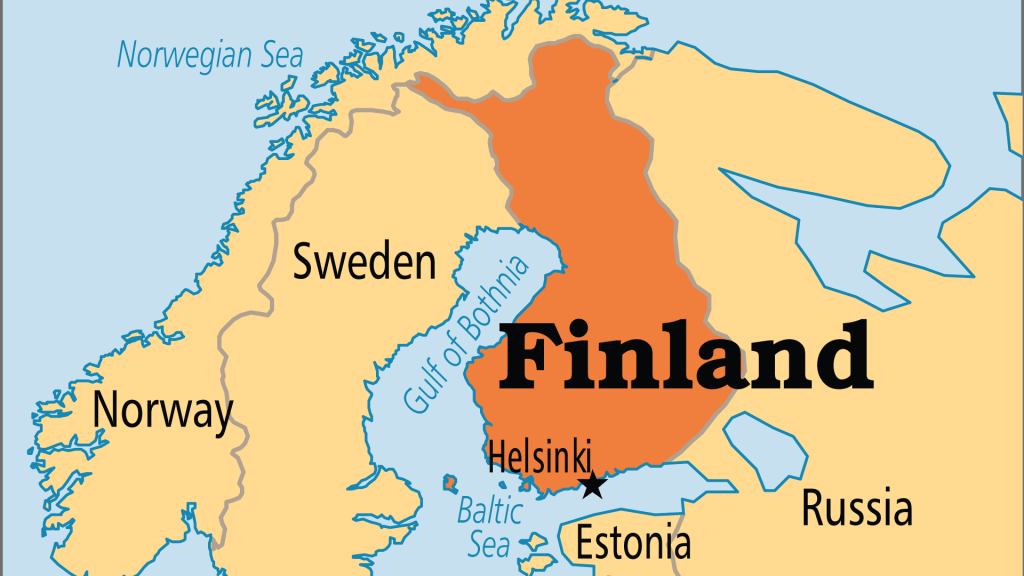
Further links for overview of Finland:

