
Christianity in Vietnam is the country’s largest organized religious denomination by institutional membership, consisting primarily of Roman Catholicism and a growing Protestant minority. While Vietnam is culturally rooted in traditional folk beliefs, ancestor worship, and Mahayana Buddhism, Christians make up roughly 8% to 9% of the total population.
Major Denominations
1. Roman Catholicism
- Demographics: Catholicism is the dominant Christian tradition in the country, boasting approximately 7 million adherents (about 7.4% of the population). Vietnam has the fifth-largest Catholic population in Asia.
- Structure: The Catholic Church in Vietnam is highly organized, spanning 27 dioceses across three ecclesiastical provinces: Hanoi, Hue, and Saigon (Ho Chi Minh City).
- History & Revival: Catholicism was first introduced by European missionaries in the 16th century. Despite centuries of historical crackdowns and martyrdom, the church experiences a strong modern revival, marked by robust youth involvement, crowded urban parish events, and improving diplomatic interactions with the Vatican.
2. Protestantism
- Demographics: Protestantism is estimated to have over 500,000 to one million followers, growing rapidly in recent decades.
- History: It was introduced in 1911 by Canadian missionary Robert A. Jaffray under the Christian and Missionary Alliance. The largest official bodies are the Evangelical Church of Vietnam North (ECVN) and its Southern counterpart (SECV).
- Ethnic Composition: A massive portion of Protestants belong to ethnic minority groups—particularly the Hmong, Zao, Jarai, and Montagnard peoples living in the Northwest and Central Highlands.
Legal Status and State Control
The Vietnamese government officially recognizes freedom of religion under its constitution, but the state heavily regulates religious life.
- Mandatory Registration: Under national law, all religious organizations must register with government authorities to operate legally. Unregistered house churches—common in rural regions—are technically banned, and securing registration is notoriously difficult.
- Decree 95: Tightening restrictions further, regulations under Decree 95 grant local authorities the power to suspend religious activities for broad, unspecified violations. It also forces religious groups to hand over detailed financial records, highly scrutinizing foreign donations.
Persecution and Social Challenges
The Christian experience varies drastically depending on geography and ethnicity. While urban Catholics generally enjoy freedom of worship, Christians in rural and tribal highlands face severe systemic pressures:
- Ethnic and Political Suspicion: Local officials frequently associate Christianity with Western influence or fear tribal separatism among highland minorities. Activists report tactics such as property destruction, arbitrary fines, and travel restrictions directed at unregistered communities.
- Cultural Friction: Converts from traditional backgrounds often face heavy family and community pushback. Because Christianity forbids the religious worship of ancestral spirits, families sometimes pressure converts to recant in order to preserve traditional ancestor veneration rites.
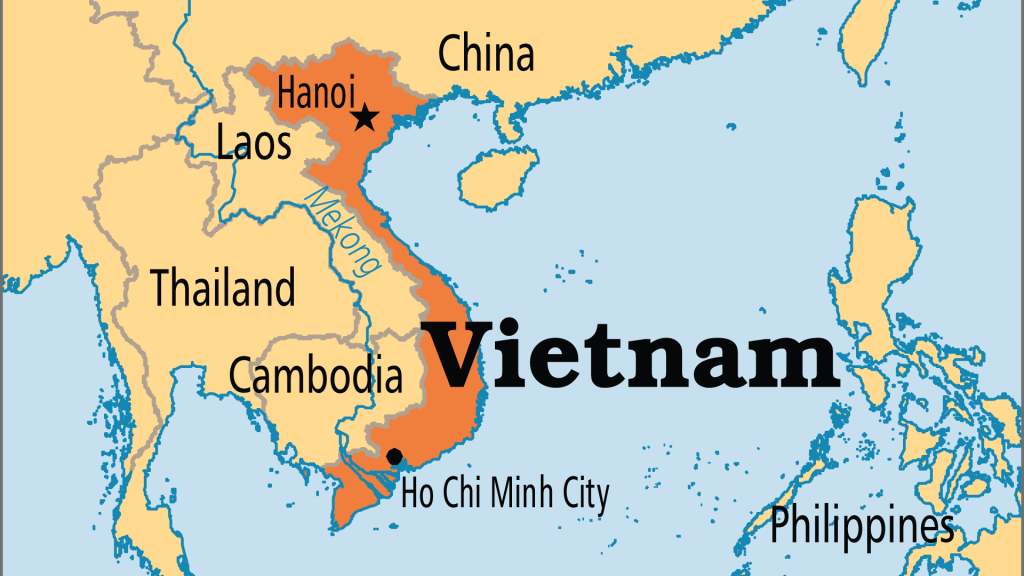
Further links for overview of Vietnam:

