

Christianity is the dominant religion in Croatia, with 87.34% of the population identifying as Christian according to the Religion in Croatia Wikipedia page. The vast majority of these believers belong to the Roman Catholic Church, making Catholicism a core pillar of Croatian national and cultural identity.
Demographics and Denominations
The religious landscape of Croatia, based on recent census data, is divided into the following groups:
- Roman Catholicism: Adhered to by 83.0% of the population, representing the primary spiritual force in the country.
- Eastern Orthodoxy: Comprising 3.35% of the population, practiced almost exclusively by the ethnic Serb minority and organized under the Serbian Orthodox Church Wikipedia entry.
- Protestantism: A very small minority at 0.26%, consisting mostly of small Baptist, Evangelical, and Reformed communities.
- Other Christians: Accounting for 0.73%, a category that includes non-denominational believers and smaller movements.
Historical Background
Croats were the first Slavic people to accept Christianity. Their initial contact with the Holy See dates back to 641 AD, and the process of conversion was largely completed peacefully between the 8th and 9th centuries.
During the Great Schism of 1054, political alignment with Hungarian and papal authorities pushed Croatia firmly into the Western (Latin) sphere, while neighboring countries like Serbia aligned with the Byzantine (Orthodox) East. Over centuries of foreign rule—including intense pressure from the Ottoman Empire—Catholicism became tightly bound to the defense of Croatian national survival. This connection intensified after the fall of communism and the 1990s Homeland War, turning religious practice into a defining marker of modern ethnic identity.
Church and State Relations
Croatia does not have an official state religion. The constitution explicitly dictates the separation of church and state while guaranteeing full religious freedom.
Despite this official secular framework, the Catholic Church enjoys significant societal influence and financial state support based on its historical role and sheer number of adherents. It operates legal concordats with the state, which grant privileges such as providing voluntary Catholic religious education (catechesis) in public schools and offering pastoral care within the military and police forces.
Contemporary Practice and Trends
While institutional church attendance has faced standard European trends of decline, Croatia remains a deeply traditional country. Major cultural milestones—such as baptisms, church marriages, and pilgrimages to national shrines like Marija Bistrica—remain popular components of daily life. Concurrently, recent census data highlights that irreligion (atheism and agnosticism) is the fastest-growing religious status in the country, rising alongside a shrinking total population.
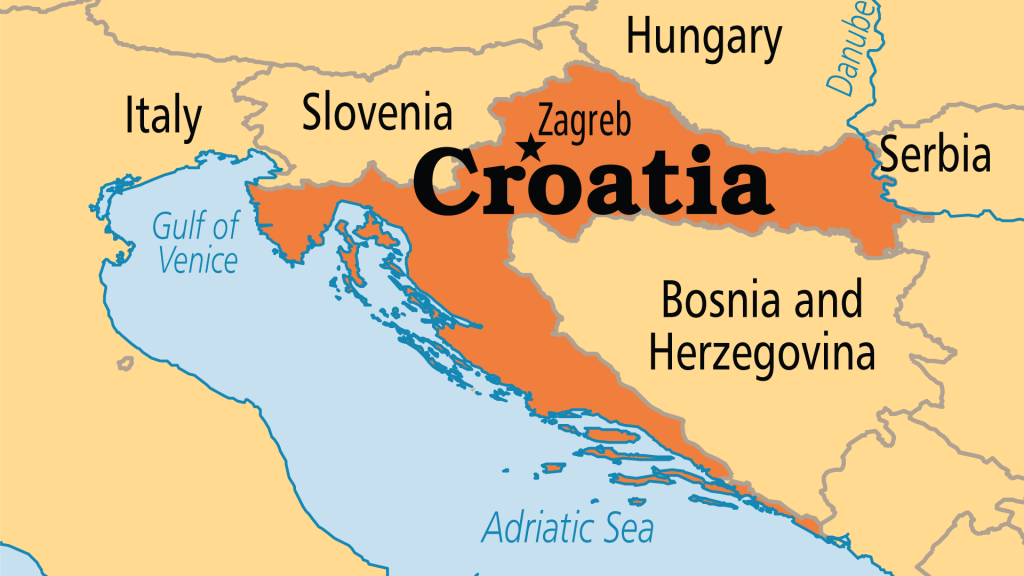
Links for further overview of Croatia:

