

Christianity in Thailand is a minority religion, practiced by roughly 1.2% to 1.4% of the total population. Despite over 500 years of historical presence in the region, the vast majority of the country—approximately 93% to 95%—remains deeply rooted in Theravada Buddhism, which is intimately tied to the traditional Thai cultural identity.
Historical Overview
- Catholic Foundations: European contact began around 1550 when Portuguese Catholic missionaries first arrived in the ancient capital of Ayutthaya. Organized urban Catholic communities later emerged around Bangkok.
- Protestant Arrival: Protestant missionaries arrived in 1828, starting with pioneers like Karl Gutzlaff. American Baptist and Presbyterian missions soon followed in the 1830s, contributing heavily to early modernizations.
- Indigenization: Since the mid-20th century, leadership responsibilities have completely shifted from foreign missionaries to Thai national pastors and clergy.
Major Denominations & Legal Status
The Thai government officially recognizes five main Christian umbrella groups, divided broadly into Catholic and Protestant branches:
- The Roman Catholic Church: Administered through 10 local dioceses.
- The Church of Christ in Thailand (CCT): Formed in 1934, it is the oldest and largest Protestant denomination, drawing largely from Presbyterian and Baptist lineages.
- Evangelical & Other Bodies: The Evangelical Fellowship of Thailand (EFT) and the Thailand Baptist Convention are also officially recognized. A tiny Eastern Orthodox presence exists primarily serving expats and tourists.
Regional Presence and Demographics
- Northern Focus: Nearly half of the country’s Christian population resides in northern provinces like Chiang Mai, Chiang Rai, and Mae Hong Son.
- Ethnic Minorities: Growth has traditionally been most pronounced among hill tribes and ethnic minority communities in the north.
- Urban and Isan Regions: The rest are concentrated in the Bangkok metropolitan area or smaller house-church networks scattered through the rural Isan (northeastern) region.
Societal and Cultural Impact
- Education: Christian missions founded highly prestigious private institutions like Assumption College in Bangkok. These schools primarily educate Buddhist students, including many members of the Thai political and social elite.
- Healthcare: Major historical medical centers, including Bangkok Christian Hospital and Bangkok Adventist Mission Hospital, continue to play prominent roles in the nation’s healthcare network.
- Cultural Integration: To avoid the perception that Christianity is strictly a “Western religion,” local leaders utilize “Thaification” strategies—adapting the Gospel to fit seamlessly alongside Thai language, music, and respect for the monarchy.
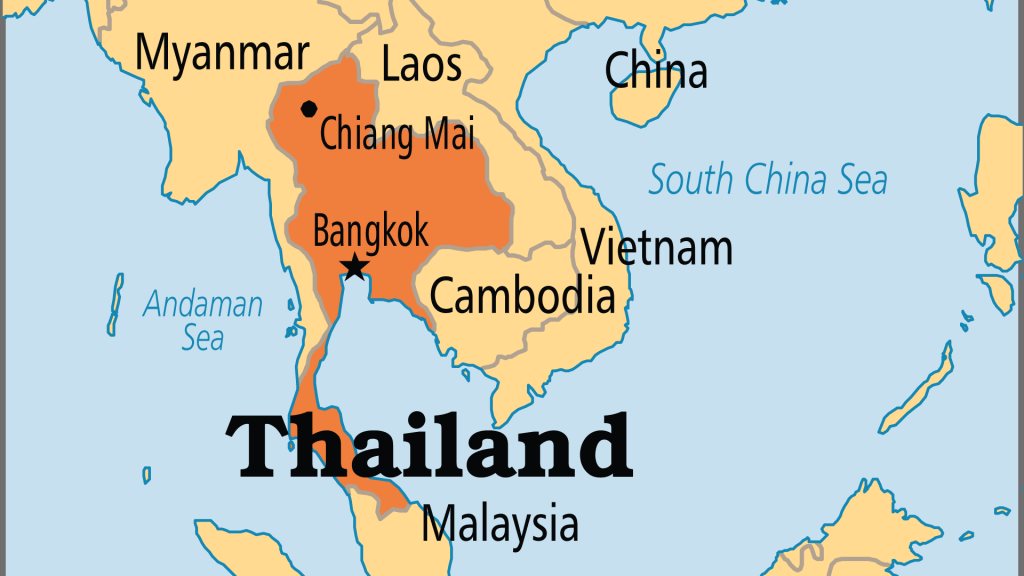
Links for further overview of Thailand:

