
Christianity in Lebanon has roots that reach all the way back to the dawn of the faith. Unlike in most other Middle Eastern countries, Christians in Lebanon are not just a small minority—they represent a significant portion of the population and hold deep cultural and political influence.
Demographics
While no official census has been held since 1932 (to maintain a delicate sectarian balance), Christians are estimated to make up roughly 30% to 35% of the resident population. The Christian community is highly diverse, with several officially recognized denominations:
- Maronite Catholics: The largest Christian group, making up over half of the country’s Christian population. They are an Eastern Catholic rite in full communion with the Pope in Rome.
- Greek Orthodox: The second-largest Christian community.
- Other Denominations: Melkite (Greek) Catholics, Armenian Apostolic and Catholic, Syriac Orthodox/Catholics, and various Protestant groups.
Political Power and Governance
Lebanon operates under a unique power-sharing system known as confessionalism, which divides political and institutional power among its different religious communities.
- The Presidency: By constitutional convention, the President of Lebanon must be a Maronite Christian.
- Parliament: Parliamentary seats are split 50-50 between Christians and Muslims.
- Other Roles: Key positions in the government, military, and financial sectors are similarly reserved for Christian officials.
Cultural and Social Impact
Historically, Lebanon has been a vital educational and social hub in the region, with Christian institutions managing numerous prestigious universities (like the American University of Beirut and the Université Saint-Joseph), hospitals, and private schools.
The country’s physical landscape is also deeply intertwined with Christian history. The Kadisha Valley, a UNESCO World Heritage site, is filled with ancient Christian monastic communities and cave dwellings dating back to the earliest days of the church.
Modern Challenges
In recent decades, Lebanon’s Christian population has faced notable challenges:
- Demographic Shifts: Higher birth rates among the Muslim population and waves of Christian emigration have reduced the Christian share of the population. (However, the massive Lebanese diaspora worldwide remains heavily Christian).
- Economic Crises and Regional Conflict: The severe financial crisis and ongoing geopolitical conflicts in southern Lebanon have forced many Christians—along with their Muslim compatriots—to leave the country or flee their ancestral villages in the south for safer areas.
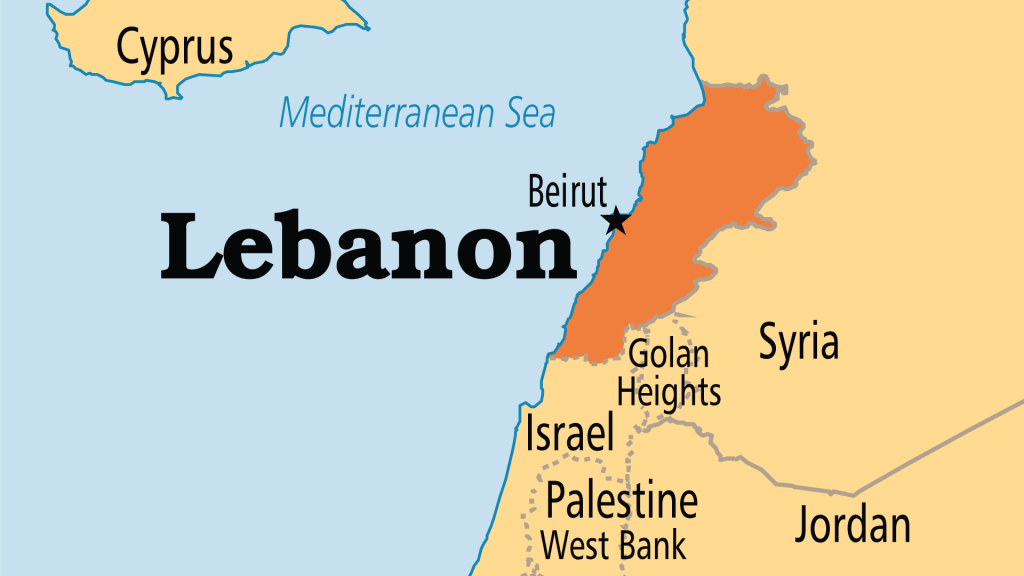
Links for further overview of Lebanon:

