
Christianity is the second-largest religion in Chad, practiced by roughly 40% to 45% of the population. The religious and cultural landscape of the country is quite diverse, defined largely by geography and history.
Demographics and Geography
- The South: The southern region of Chad is predominantly Christian, with a smaller portion practicing indigenous animist traditions. The Sara people are the largest ethnic group in this region.
- The North and Center: The northern and central parts of the country are overwhelmingly Muslim.
- Denominations: Christianity is split relatively evenly between Catholics and various Protestant/Evangelical denominations (e.g., Evangelical Church of Chad, Assemblies of God, and the Christian Assemblies).
History
Christianity is a relatively recent arrival in Chad compared to Islam. French and American missionaries first arrived in the early 20th century, largely settling in the non-Muslim southern regions. Early missionaries were heavily focused on social services—establishing the first schools, clinics, and hospitals in the region, which gave them an influential role in Chadian society despite being a minority.
Current Climate and Challenges
While Chad’s constitution officially establishes the state as secular and guarantees freedom of religion, Christians—particularly in certain contexts—face various challenges:
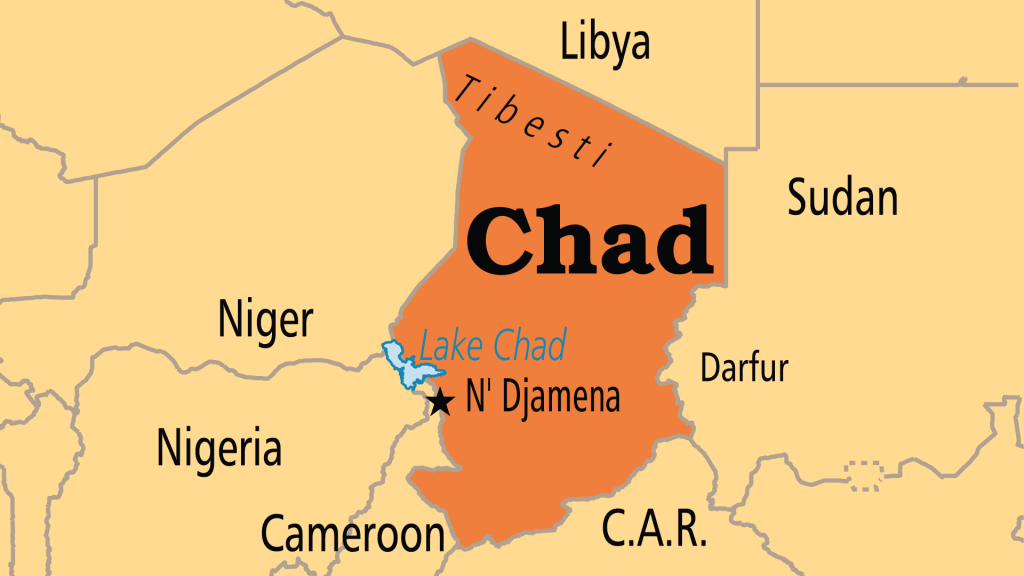
- Persecution in Border Regions: In areas around the Lake Chad Basin, Christians face threats from violent extremist groups like Boko Haram and ISWAP (Islamic State West Africa Province). These militants have been known to target rural Christian villages, burn churches, and attack believers.
- Converts: Individuals who convert from Islam to Christianity can face significant social pressure, ostracism, or rejection from their families and local communities.
- Public Institutions: Christian leaders have raised concerns over the perceived “Islamicization” of public institutions. Organizations have noted that mosques are increasingly being constructed in government buildings and that official state functions often take on a distinctly Islamic focus, leading some to feel underrepresented.
Interreligious Relations
On a day-to-day level, Christians and Muslims generally coexist peacefully in mixed urban areas. Leaders from both faiths often collaborate on national peace initiatives, and it is common for adherents to celebrate each other’s religious holidays.
Links for further overview of Chad:

