
Christianity is a minority religion in Taiwan, comprising approximately 4% to 6% of the population of over 23 million. While the country’s spiritual landscape is predominantly shaped by a blend of Buddhism, Taoism, and Chinese folk traditions, Christianity holds a deeply rooted history and exerts a unique cultural and political influence.
Demographics and Distribution
- Indigenous Communities: Christianity has its highest density among Taiwan’s indigenous (Austronesian) peoples, with over 64% to 70% identifying as Christian. Church steeples are a defining visual anchor of Aboriginal villages across the island.
- Denominational Split: Protestants form the majority of the Christian population (roughly 600,000 adherents), while Catholics make up a smaller segment of about 300,000 believers.
- Socioeconomic Profile: In urban Han Chinese environments, Christianity behaves similarly to Western demographics. Roughly 60% of urban Christians hold a post-college degree, making it largely viewed as a middle-class belief system.
Major Denominations & Organizations
- The Presbyterian Church in Taiwan (PCT): The Presbyterian Church in Taiwan is the largest and most influential Protestant denomination. It has a historically progressive stance and has been a major advocate for Taiwanese democracy and independence.
- The Catholic Church: Organized across seven dioceses (including the Archdiocese of Taipei), Catholicism in Taiwan maintains a traditional yet highly respected presence. The Catholic Church in Taiwan focuses heavily on charity, medical care, and serving the poor.
- Indigenous and Independent Churches: Local movements like the True Jesus Church (a Pentecostal denomination founded in mainland China) and the “Little Flock” (Local Churches movement) have significant, vibrant communities.
- Academic Institutions: The Christian community has founded top-tier educational institutions, including Chung Yuan Christian University and Tunghai University, which features the famous, I.M. Pei-designed Luce Memorial Chapel.
Historical Timeline
| Era / Period | Key Events & Dynamic Changes |
|---|---|
| 17th Century | First introduced via Dutch Reformed (Calvinist) and Spanish Catholic missionaries during colonial trade ventures. |
| Koxinga Era (1661) | Ming loyalist Koxinga expelled the Dutch; Christianity was strictly banned and its transmission halted. |
| Late Qing Dynasty (1860s) | The Treaty of Tianjin opened Taiwanese ports, sparking a massive return of English and Canadian Presbyterian missionaries. |
| Post-WWII Influx (1949) | Following the ROC government’s retreat to Taiwan, an influx of mainland Chinese Christians and fleeing Western missionaries arrived. |
Cultural Context and Syncretism
Evangelization among the majority Han Chinese population faces structural bottlenecks due to deep-seated family obligations. Ancestor worship is the core theological tension; many Taiwanese believe failing to offer incense to deceased relatives is disrespectful.
To navigate this, different denominations employ varying levels of contextualization. While many Protestant denominations strictly forbid bowing to ancestral altars, the Catholic Church formally permits indigenous and traditional honors for ancestors, treating it as a cultural expression of filial piety rather than polytheistic worship.
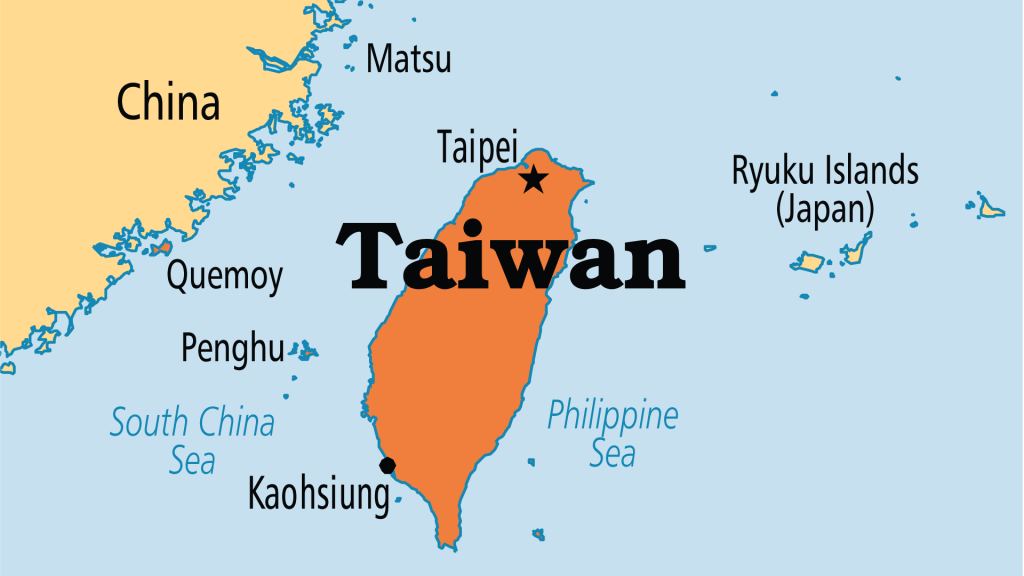
Links for further overview of Taiwan:

