
Christianity is strictly forbidden for Maldivian citizens, and the country allows no open practice of any faith other than Islam. The Maldives consistently ranks as one of the most difficult and dangerous places in the world to be a Christian, placing high on annual global persecution lists.
The Legal Framework & Persecution
- 100% Muslim Mandate: The Maldives Constitution explicitly dictates that Islam is the state religion and the basis of all laws.
- Loss of Citizenship: Under Article 9 of the constitution, a non-Muslim is legally barred from becoming a citizen. If a native Maldivian converts to Christianity, they automatically lose their citizenship.
- Severe Penalties: Leaving Islam is treated as apostasy. Discovered converts face interrogation, imprisonment, immense social isolation, and potential physical violence from family or community members.
- Media & Internet Censorship: The government blocks online access to non-Islamic religious materials. Tightened media regulations penalize any broadcast or public communication deemed a threat to Islamic tenets.
The Underground Church
- Total Secrecy: The estimated native Christian population is extremely small—likely comprising only a handful of families. They must live double lives, often hiding their faith from their own children or spouses out of fear of accidental exposure.
- No Church Buildings: There are zero official church buildings or Christian organizations allowed in the Maldives. Believers meet exclusively in secret, private home gatherings.
- Scripture Deficit: Importing Christian literature or Bibles in the local language, Dhivehi, is illegal. Only small, fragmented portions of the Bible have been translated into Dhivehi, and ownership of them is treated as a criminal offense.
Expatriates, Migrants, and Tourists
- Private Worship Only: Non-Muslim foreign workers (primarily from India and the Philippines) and tourists are permitted to practice Christianity, but strictly within their private quarters or inside isolated resort islands.
- No Proselytization: It is a serious crime for any foreign worker or tourist to share the Christian faith or distribute literature to a Maldivian citizen. Doing so leads to immediate arrest, heavy fines, and deportation.
Historical Background
Christianity briefly entered the region in 1558 when Portuguese forces captured Malé and established a small trading garrison. They appointed Andiri Andiri (a Catholic ruler of mixed parentage) and attempted to forcefully convert the population. This rule was deeply unpopular and ended violently in 1573 when local leader Muhammad Thakurufaanu led a successful revolt, driving the Portuguese out and causing Christianity to completely recede from the islands. Later colonial powers, the Dutch and the British, did not interfere with the local Islamic culture.
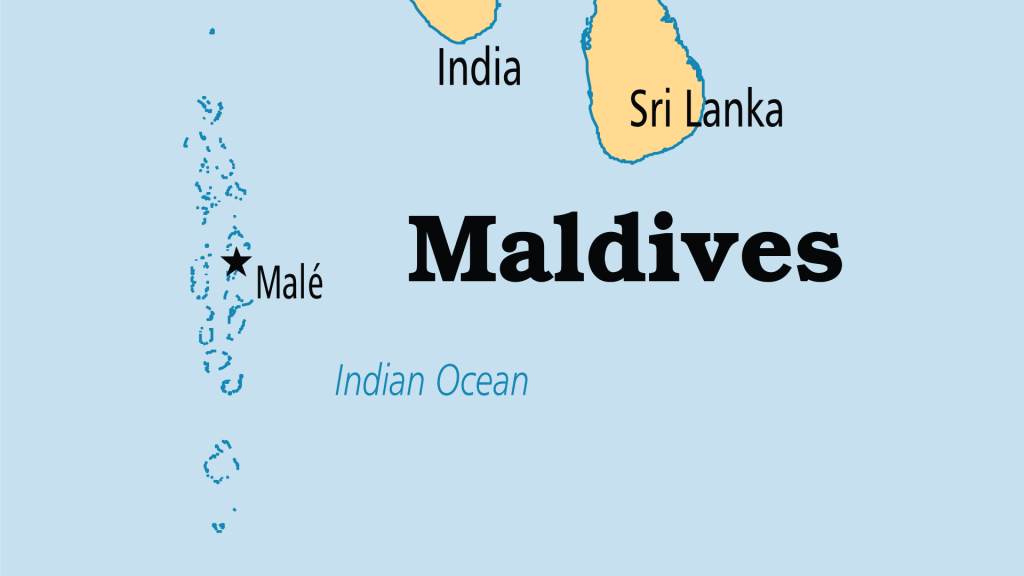
Links for further overview of Maldives:
 Stichting HEALING THE NATIONS