
Christianity is the second-largest religion in Mauritius, practiced by 32.3% of the total population according to the official national census. It follows Hinduism (47.8%) and precedes Islam (18.2%). The Christian community is heavily concentrated among the Mauritian Creole, Franco-Mauritian, and Sino-Mauritian ethnic groups.
Major Denominations
The Christian landscape is predominantly Catholic but features several recognized historical and growing modern denominations:
- Roman Catholicism (24.9% of total population / ~80% of Christians): Catholicism is by far the largest denomination on the island. It serves as the majority faith in the capital city of Port Louis and heavily dominates the autonomous island of Rodrigues, where nearly 97% of residents are Catholic.
- Protestantism and Independent Churches: Protestant denominations comprise the remainder of the Christian populace. The largest among them include the Assemblies of God (comprising roughly 8% of the country), followed by Anglicans (Church of England), Presbyterians, Seventh-day Adventists, Baptists, and Jehovah’s Witnesses.
Historical Roots
- Colonial Beginnings: Christianity was first brought to Mauritius by Dutch explorers in the 17th century. It was later firmly established by French colonizers arriving in 1721, who mandated that all arriving enslaved people be baptized into the Roman Catholic Church.
- British Rule: When the British took control of the island in 1810, they introduced Protestantism, leading to the formation of the local Anglican and Presbyterian communities.
- Father Laval: Blessed Jacques-Désiré Laval, a French Catholic priest arriving in 1841, is a monumental figure in Mauritian history. Known as the “Apostle of Mauritius,” he advocated for newly freed slaves and converted over 67,000 people.
Cultural Significance & Legal Status
- Constitutional Rights: Mauritius has no official state religion, but its constitution strictly guarantees freedom of conscience and religious practice.
- Recognized Faiths: Six Christian and non-Christian religious bodies present at independence are officially recognized by parliamentary decree: Roman Catholics, the Church of England, the Presbyterian Church, Seventh-day Adventists, Hindus, and Muslims. These groups receive specific tax privileges and state subsidies based on congregation size.
- Interfaith Harmony: The island is broadly celebrated for high religious tolerance. For instance, the annual pilgrimage to the tomb of Father Laval on September 8–9 attracts thousands of Mauritian pilgrims from Catholic, Hindu, and Muslim backgrounds alike.
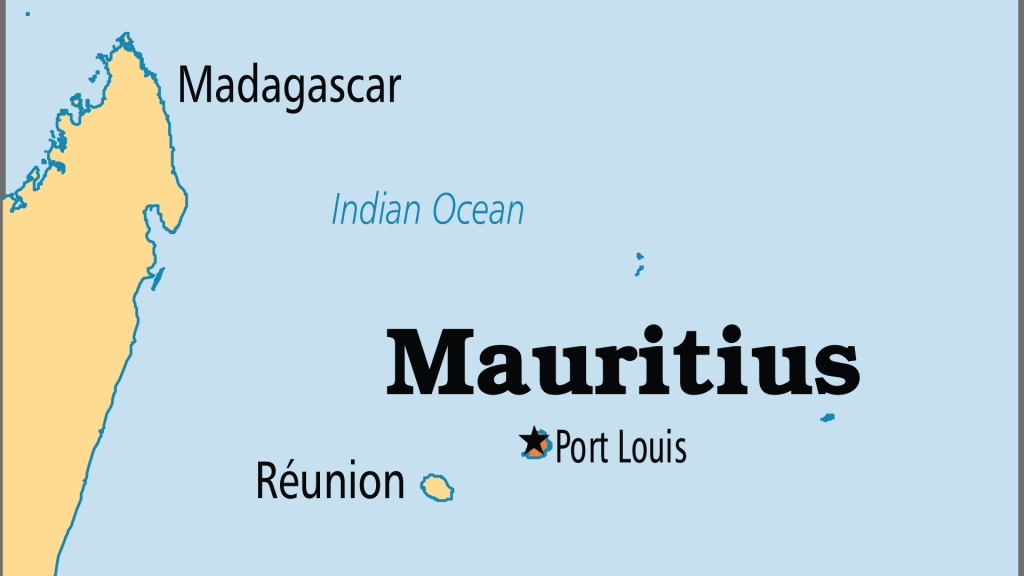
Links for further overview of Mauritius:

