
Christianity in Somalia is a minority religion in a country where the vast majority of the population adheres to Sunni Islam. The Christian population consists of a tiny community of local converts, a small number of Somali Bantu, and expatriates working for international organizations.
The status, history, and challenges of Christianity in Somalia are defined by several key factors:
Historical Presence
- Ancient Roots: Christianity has a long history in the Horn of Africa, predating the arrival of Islam in the region. Parts of the coastal areas and the northern regions were influenced by ancient Christian empires.
- Colonial Era: Modern Christian institutions were primarily established during the late 19th and early 20th centuries by Catholic and Protestant mission groups (such as Swedish missions). During Italian and British rule, churches, orphanages, and schools were set up, but these largely catered to colonists and a small number of locals.
- Post-Colonial Decline: In the 1970s, the Marxist government nationalized schools and expelled most foreign missionaries. Following the collapse of the central government in 1991, the institutional church effectively dissolved, and most Christian infrastructure was destroyed in the civil war.
Legal and Political Status
- Islamic State: Islam is the state religion, and the provisional constitution dictates that all laws must comply with the general principles of Sharia.
- Conversion: Converting from Islam to Christianity is strictly illegal and is seen as a betrayal of both family and national identity.
- Public Worship: There are no legal protections for non-Muslims to proselytize, and there are virtually no intact, public church buildings outside of secured international airport zones.
Persecution and Daily Life
- Extreme Hostility: Somalia is universally ranked as one of the most dangerous places in the world to be a Christian.
- Militant Extremism: The radical Islamist group Al-Shabaab heavily dominates large parts of the country. The group seeks to eradicate Christianity entirely and openly executes suspected Christians.
- Societal and Clan Pressure: Even in areas controlled by the federal government or regional states (like Somaliland or Puntland), societal hostility is intense. Converts often face threats from their own families and clans, who view the conversion as a dishonor.
- Underground Church: Because of these severe threats, local Christians are forced to practice their faith in absolute secrecy, often meeting in small, isolated underground house churches.
Humanitarian and Expatriate Presence
- Charitable Work: While there are no functioning public local churches, some Christian-based non-governmental organizations (NGOs) and Catholic missions—such as Caritas—operate in the country. Their work is heavily focused on humanitarian aid, education, healthcare, and helping vulnerable populations.
- Expatriates: A small number of foreign Christians, such as United Nations staff, African Union peacekeepers, and aid workers, reside in secured, international zones.
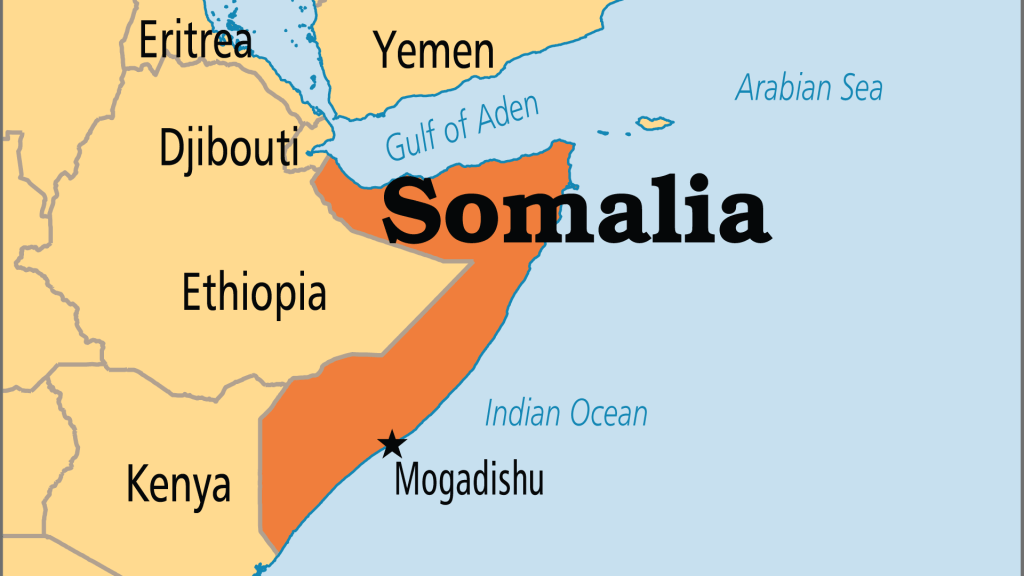
Links for further overview of Somalia:

