
Christianity is the predominant religion in Slovakia, with roughly 68.8% of the population identifying as Christian according to the national census. While the country is officially a secular state, it retains a deep cultural and historical connection to the Christian faith, making it notably more religious than its neighbor, the Czech Republic.
Denominational Breakdown
Christianity in Slovakia is highly varied, but it is heavily dominated by the Catholic Church.
- The Catholic Church (59.8%): Slovakia ranks as the third most Catholic-majority Slavic country in Europe, trailing only Poland and Croatia. The vast majority follow the Latin Rite. The Slovak Greek Catholic Church, which uses the Byzantine Rite but remains in full communion with the Pope, is concentrated heavily in eastern Slovakia.
- Protestantism (7.6% – 9%): The largest Protestant body is the Evangelical Church of the Augsburg Confession (Lutheran). The Reformed Christian Church (Calvinist) is highly linked to ethnicity, finding its primary base among Slovakia’s ethnic Hungarian minority along the southern border.
- Eastern Orthodoxy (0.9%): Adherents primarily belong to the Orthodox Church of the Czech Lands and Slovakia. They are largely concentrated in the eastern regions, often consisting of ethnic Ruthenians and Ukrainian communities.
Historical Context
- The Foundations: Christianity was introduced to the region in the 9th century. Grand Moravian rulers, notably Prince Pribina, built the first Christian church in Nitra around 830 AD. The faith was deeply solidified by the mission of Byzantine Saints Cyril and Methodius, who translated scripture into Old Church Slavonic.
- Reformation and Counter-Reformation: The Protestant Reformation gained a heavy foothold in the 16th and 17th centuries, particularly among urban German and Slovak populations. However, a fierce Counter-Reformation led by figures like Peter Pázmány restored Catholicism as the dominant faith.
- The Communist Era (1948–1989): Under communist Czechoslovakia, religious institutions faced harsh state suppression. In 1950, a violent liquidation of religious orders known as the “Barbarian Night” forced priests, nuns, and monks into concentration camps, forcing the church to operate in secret. Despite persecution, the Catholic underground served as a central pillar of anti-communist opposition.
Cultural and Architectural Heritage
The intersection of Western (Latin) and Eastern (Byzantine) Christian traditions has left a unique architectural footprint in the country. Most notable are the Wooden Churches of the Slovak Carpathians, a collection of 16th to 18th-century structures built entirely without nails. These UNESCO World Heritage sites include Roman Catholic, Protestant “articled” churches, and Greek Orthodox designs.
Current Trends
Like much of Europe, Slovakia is experiencing a gradual shift toward secularization. The number of people claiming no religious affiliation rose from 13.4% in 2011 to 23.8% in 2021. This trend is most pronounced among youth and residents of the capital, Bratislava. Nevertheless, religious identity remains an important touchstone of Slovak cultural tradition and political life.
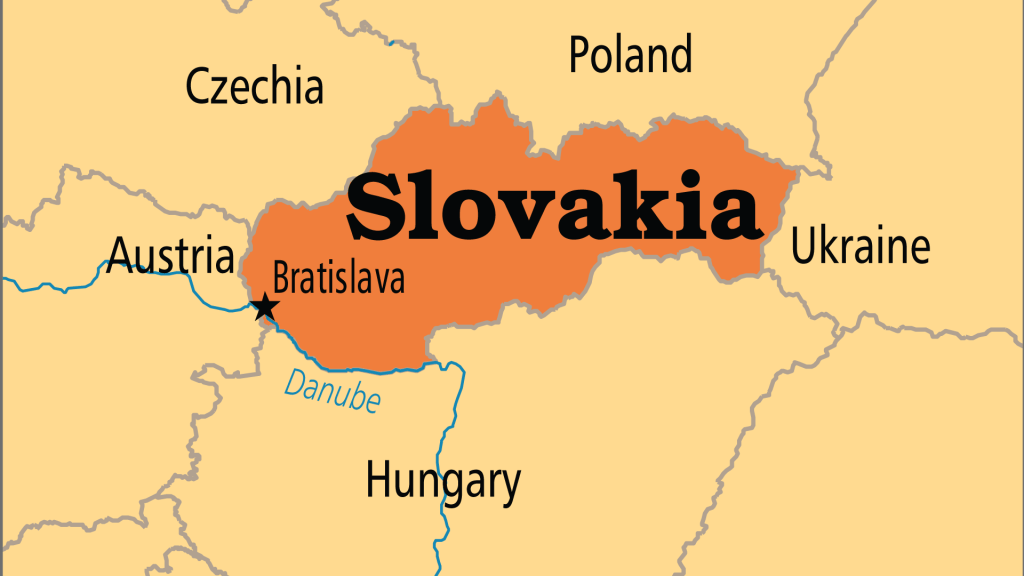
Links for further overview of Slovakia:

