
Christianity in Mauritania is a tiny minority religion representing roughly 0.2% to 1% of the country’s population, which is estimated to be over 99% Sunni Muslim. Out of a population of nearly 5 million people, there are only about 11,000 Christians living in the country. The vast majority of these Christians are foreign-born expatriates, diplomats, and sub-Saharan African migrants.
Legal Framework and Restrictions
The legal and social environment for Christians in Mauritania is highly restrictive:
- State Religion: Mauritania is constitutionally an Islamic Republic. Islam is officially recognized as the sole religion of its citizens and the state.
- Apostasy Laws: It is strictly illegal for a Muslim to convert to Christianity. In 2018, Mauritania tightened its penal code to make the death penalty mandatory for anyone convicted of apostasy or blasphemy, without the possibility of leniency through repentance. While the judicial death sentence has not been carried out in recent history, the law remains a powerful deterrent.
- Ban on Evangelism: Proselytizing to Muslims or distributing non-Islamic religious literature is completely illegal.
- Citizenship: Only Muslims are allowed to hold Mauritanian citizenship. Citizens who leave Islam automatically lose their citizenship rights.
The Two Christian Communities
The practice of Christianity behaves differently depending on a person’s nationality:
1. Foreign Expatriates (Allowed Practice)
Foreign-born Christians are permitted to practice their faith, but only within designated parameters. They are strictly prohibited from sharing their faith with Mauritanians.
- Roman Catholicism: The Roman Catholic church operates under the Diocese of Nouakchott, which is the country’s only diocese. Led by the local bishop, it serves roughly 4,000 Catholics across five parishes, focusing heavily on humanitarian work, education, and social development.
- Protestantism: There is only one legally recognized Protestant church in the country intended for expatriates. Other foreign workers from sub-Saharan Africa gather in unofficial house fellowships.
2. Indigenous Converts (Underground Practice)
The small number of native Mauritanians who convert from Islam to Christianity face extreme peril. Because of the severe legal and social consequences, they are forced to hide their faith entirely and worship in secret underground networks.
- Societal Backlash: In Mauritania’s highly tribal and clan-based society, a convert faces intense pressure, physical violence, and immediate ostracization from their family.
- Targeted Violence: Hostility can be severe; for example, local community tensions in towns like Sélibaby have led to protests against Christians, including targeted social media threats and grave desecration.
- Arrests and Interrogations: The police actively monitor suspected Christian activities. Authorities have previously detained groups of local Christians following viral videos of baptisms, pressuring them to recant their faith and return to Islam.
Organizations like the Voice of the Martyrs and Open Doors monitor the high-pressure conditions in Mauritania, consistently listing it as one of the most difficult countries in the world for Christian religious freedom.
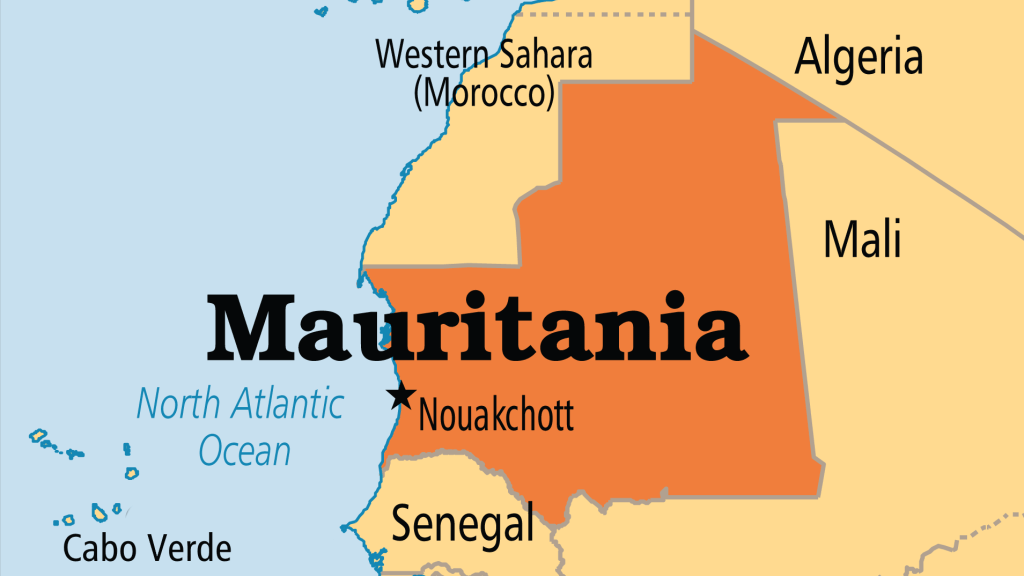
Links for further overview of Mauritania:

