
Christianity is a small minority religion in Laos, representing roughly 1.5% to 3% of the total population. In a nation dominated by Theravada Buddhism and traditional animism, the country’s estimated 200,000 to 300,000 Christians practice their faith under a strict, authoritarian Communist government. While the central government officially recognizes a few specific denominations, Christians face intense local suspicion, legal restrictions, and severe persecution—particularly in rural areas.
Legal Status and Recognized Denominations
The Lao constitution nominally guarantees freedom of religion, but the state heavily restricts and monitors religious activities. The Ministry of Home Affairs and the national development agency recognize only three official Christian entities:
- The Lao Evangelical Church (LEC): The largest Christian body in Laos, representing the vast majority of Protestants.
- The Roman Catholic Church: Divided into four apostolic vicariates, with most adherents living in central and southern urban areas.
- The Seventh-day Adventist Church: A small, officially permitted community.
All other Christian groups must operate without official sanction. Unrecognized denominations or independent house churches are deemed “illegal” by local authorities. Even registered groups struggle with onerous state regulations, and an estimated 75% of existing congregations completely lack permanent, approved church buildings.
Demographics and Growth
Despite historical and political barriers, Christianity in Laos continues to grow.
- Ethnic Minorities: The most rapid growth occurs among non-Lao ethnic groups, such as the Khmu, Hmong, Mien, and Bru peoples.
- The Lowland Lao: The ethnic Lao majority makes up over half the country’s population and is overwhelmingly Buddhist, though urban centers see an increasing number of lowland converts.
- Protestant vs. Catholic Split: Protestants make up roughly 80% of the Laotian Christian population. The Catholic community numbers around 50,000 to 100,000 and consists heavily of residents of Vietnamese ancestry alongside indigenous groups.
Persecution and Social Challenges
Laos consistently ranks as one of the most difficult countries in the world for Christians according to religious liberty watchdogs like Open Doors. The hostility stems from two main drivers:
- Communist Ideology: The ruling party views Christianity as a Western, imperialist “import” that opposes Communist ideals and threatens national harmony. Foreign missionaries are strictly barred from open proselytizing and are restricted by the government to humanitarian or language-teaching roles.
- Cultural and Animist Traditions: In rural villages, daily life centers around pacifying local ancestral spirits. When a villager converts to Christianity, communities often fear the local spirits will become angry and bring bad luck, crop failures, or illness.
As a result, rural converts regularly face severe blowback. Village authorities and families routinely deploy eviction, property destruction, and social boycotts to force believers into renouncing their faith. In recent years, human rights organizations have documented instances of pastors being arrested, tortured, or killed for preaching, alongside local police explicitly ordering that children under 17 be struck from church records.
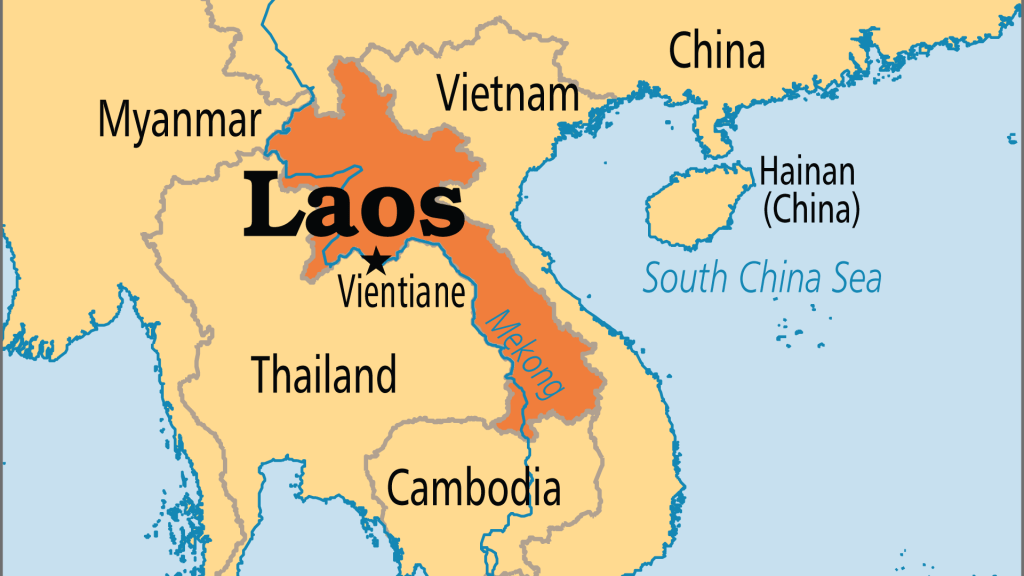
Links for further overview of Laos:

