
Christianity in Niger is a small minority religion in a nation where over 93% to 98% of the population practices Islam. Christians make up less than 2% of the total population—with some official data placing the figure below 1%. Despite their small numbers, Christians maintain a historical presence and operate vital social institutions, though they face escalating pressure due to political and regional instability.
Demographics and Denominations
- Total Population Share: Estimates generally place the Christian population between 0.2% and 2%. The population is largely split between Roman Catholics and various Protestant denominations.
- Catholic Church: There are approximately 16,000 Catholics in the country. The church is organized into two primary jurisdictions: the Diocese of Niamey (housing roughly 15,000 members) and the Diocese of Maradi (around 1,000 members).
- Protestants: Various evangelical and traditional Protestant groups exist, with historical roots tracing back to early missions established in Zinder in 1924.
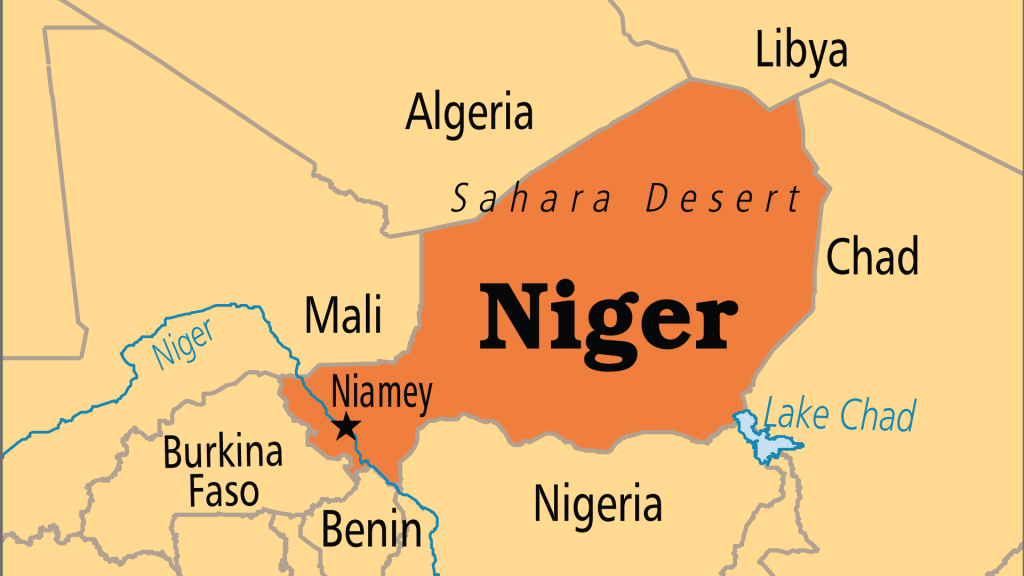
- Composition: Adherents primarily consist of local educated urban elites, colonial descendants, and significant communities of immigrants from neighboring coastal countries such as Benin, Togo, Ghana, and Nigeria.
Historical Origins
Christianity was introduced to Niger during the era of French colonial expansion. The first Protestant missionaries arrived in Zinder in 1924, followed by the establishment of the first Catholic mission in 1931. Over decades, Christian organizations integrated into Nigerien society by establishing highly regarded church-run schools, medical centers, and humanitarian aid distribution hubs.
Current Social Climate and Persecution
The security and daily lives of Christians in Niger have deteriorated markedly in recent years:
- Impact of the 2023 Coup: Following the political instability of the 2023 military coup, the rule of law weakened significantly. This power vacuum emboldened Islamic militant groups—including those affiliated with Al-Qaeda and ISIS—operating across porous borders with Mali and Burkina Faso.
- Regional Risk: Christian communities in rural areas and border zones face the highest threat of violence, displacement, and forced imposition of strict Islamic law by extremist factions.
- Targeting of Converts: Believers who convert from Islam face severe ostracization and acute danger from both extremist networks and community members, frequently forcing them to practice their faith in secret.
- Historical Attacks: While historically peaceful, major flashpoints of anti-Christian violence have occurred. In 2015, global tensions sparked localized riots that resulted in the destruction of over 80 churches primarily across Niamey and Zinder. More recently, targeted attacks on villages, churches, and Christian gatherings have continued to drive local displacement.
Further links for oversight of Niger:

