
Christianity in Uzbekistan is a minority religion in a predominantly Sunni Muslim country, accounting for roughly 2% to 2.5% of the total population. The vast majority of Christians living in the country are ethnic Russians practicing Eastern Orthodox Christianity. While historically significant, the modern Christian community navigates strict government regulations and deep social pressures.
Historical Overview
Christianity in the region dates back to antiquity, long before the arrival of Islam:
- Ancient Roots: As early as the 4th century, communities of Eastern Christians, including Nestorians and Jacobites, thrived along the Silk Road in ancient Sogdiana (modern-day Samarkand and Tashkent).
- The Decline: By the 14th and 15th centuries, the local Christian population rapidly dwindled due to plagues, economic pressures favoring conversion to Islam, and severe persecution under Timurid rulers like Ulugh Beg.
- Modern Reappearance: Christianity returned to the region after the Russian Conquest of 1867, which brought Russian Orthodox churches to major cities to serve European settlers and military officers.
Current Denominations
The Christian landscape is divided into registered, state-recognized groups and smaller, often unregistered movements:
- Russian Orthodox Church (ROC): Representing the largest Christian group, the ROC operates openly and legally. Because its membership is almost exclusively ethnic Russian and it refrains from proselytizing the native Uzbek population, it rarely faces government interference.
- Roman Catholicism: A small community of around 4,000 Catholics exists, primarily consisting of ethnic Poles, Germans, and Koreans. They operate under the spiritual leadership of the Pope through a few historic parishes.
- Protestantism & Evangelical Movements: Accounting for under 1.5% of the population, this segment includes Lutherans, Baptists, Pentecostals, and independent house churches.
Legal Restrictions & Persecution
Uzbekistan is a secular state, but religious practices are tightly monitored by the government’s Committee for Religious Affairs (CRA):
- Registration Barriers: The government enforces strict membership quotas that make it practically impossible for small, independent Christian congregations to obtain legal registration. Unregistered religious activity is considered illegal.
- Literature Controls: Public distribution of religious literature is outlawed. Furthermore, laws enacted in 2025 stiffened penalties for possessing “unauthorized” or non-state-approved religious texts, with fines escalating up to 50 times the minimum monthly wage. All domestic religious materials must bear official government approval codes.
- Youth Restrictions: Legislation passed in February 2025 penalizes parents with heavy fines and up to 15 days in jail if they allow minors (under 18) to receive any religious education not officially approved by the state.
The Underground Uzbek Revival
Despite strict legal boundaries, a quiet but notable shift is occurring among ethnic Uzbeks:
- Growth of House Churches: While there were an estimated 100 ethnic Uzbek Christians in 1994, current assessments suggest that number has grown to roughly 10,000. Due to the difficulty of registering new buildings, believers frequently meet in hidden home networks.
- Social and Familial Backlash: Unlike ethnic Russians, ethnic Uzbeks who convert from Islam face severe ostracism, harassment, and discrimination from local neighborhood committees (mahallas) and their own families, who view the shift as a rejection of their cultural identity.
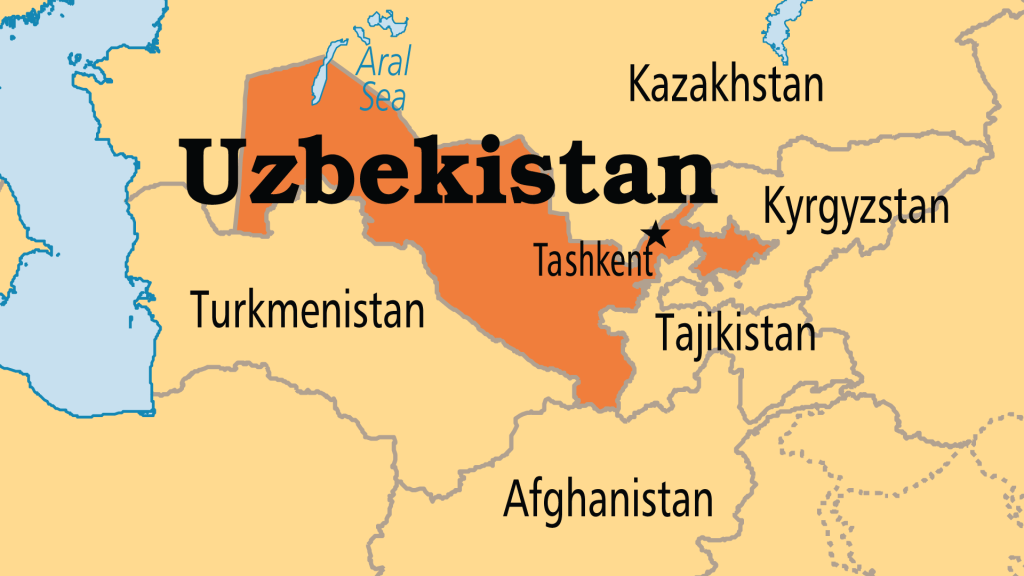
Further links for overview of Uzbekistan:

