
Christianity in Nepal is recognized as one of the fastest-growing religious movements in the world, evolving from near-total exclusion prior to 1951 into a vibrant community numbering between 512,000 (according to official 2021 census data) and up to 1.5 to 3 million adherents according to independent observers. Despite making up roughly 1.8% of the officially recorded population in a heavily Hindu-majority nation, Nepali Christianity—predominantly Evangelical and Protestant—wields a notable and highly resilient social presence.
Historical Background
- Early Missions (1700s): Christian history in Nepal dates back to 1662 when Italian Capuchin priests passed through the territory. Capuchin friars officially established the first Christian mission in the Kathmandu Valley in 1715. However, following the unification of Nepal as a Hindu kingdom in 1768–1769, all Christians were expelled, and a strict ban on the faith lasted for nearly two centuries.
- The 1951 Turning Point: After the fall of the Rana regime and the dawn of democracy in 1951, foreign missionaries were allowed back into the country. However, they were legally restricted to providing social service work—such as building hospitals and schools—and were strictly forbidden from proselytizing.
- Border Planting & Local Leadership: Because of early domestic restrictions, the gospel was initially adopted by ethnic Nepalis living in border regions like Darjeeling, India. These believers eventually returned to Nepal, planting local house churches. Domestic conversion remained a criminal offense punishable by imprisonment until November 1990.
Demographics & Growth Drivers
- Rapid Expansion: Reports from organizations like the Gordon-Conwell Theological Seminary have frequently cited the Nepali church as the fastest-growing globally.
- The Role of Healing and Marginalization: A primary driver for church growth has been the widespread practice of praying for the sick and subsequent reports of physical healings. Additionally, the faith has seen substantial traction among oppressed, lower-caste communities and marginalized ethnic groups seeking social equality, acceptance, and a reprieve from rigid caste dynamics.
- Denominational Makeup: The vast majority of Nepali Christians are Evangelical Protestants, Charismatics, or Pentecostals. There is a significantly smaller Roman Catholic population numbering around 10,000 adherents.
Legal Climate & Persecution
- Anti-Conversion Laws: While the 2015 Constitution officially designates Nepal as a secular republic guaranteeing personal freedom of religion, Article 26 explicitly bans proselytism and criminalizes any act that causes a religious conversion.
- Rising Nationalism: In recent years, an influx of Hindu nationalism has increased social and political pressure to protect Nepal’s traditional identity. This has triggered stricter enforcement of anti-conversion laws.
- Three Levels of Pressure: According to reports by Global Christian Relief, Christians face marginalization from three primary sources: state authorities enforcing restrictions on religious literature, Hindu extremist groups who view Christianity as an unwelcome foreign influence, and local communities or families who socially isolate individuals who leave traditional faiths.
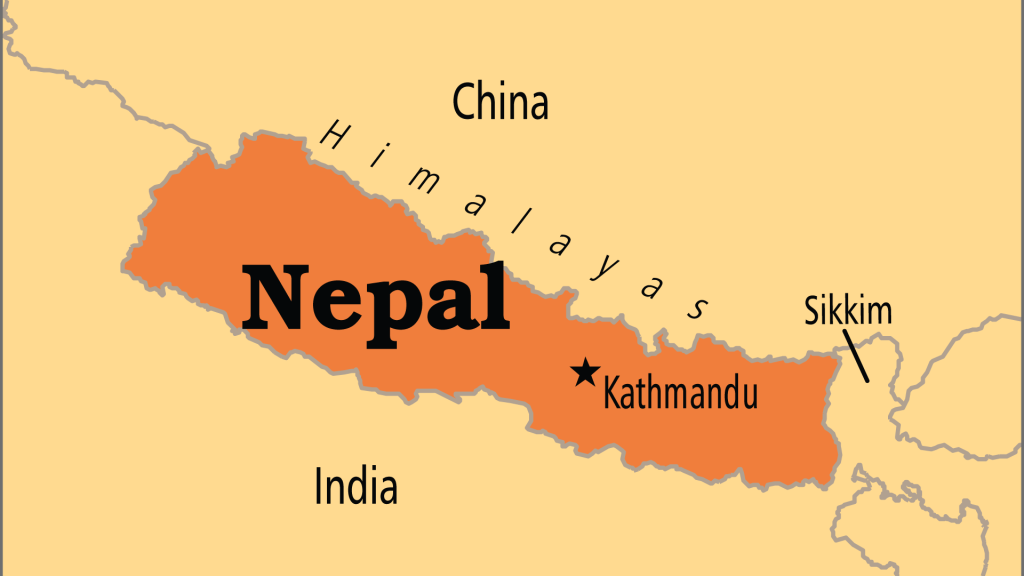
Further links for further overview of Nepal:

