
Christianity in Namibia is the nation’s dominant faith, with more than 90% of the population self-identifying as Christian. Introduced by Western missionaries in the 19th century, the religion plays an influential role in modern Namibian society, culture, and governance.
Major Denominations
The Christian landscape in Namibia is overwhelmingly Protestant, though a sizable Roman Catholic community exists. The population breaks down into several key denominations:
- Lutheranism (~44%): By far the largest Christian group. It is divided into three main bodies: the Evangelical Lutheran Church in Namibia (ELCIN) (originating from Finnish missions), the Evangelical Lutheran Church in the Republic of Namibia (ELCRN) (originating from German Rhenish missions), and the German-speaking ELCIN-GELC.
- Roman Catholicism (~23%): The second-largest denomination, heavily active in education, healthcare, and social development.
- Anglicanism (~17%): Holds a historic presence in the country, particularly active in northern Namibia.
- Other Denominations: Includes rapidly growing Pentecostal and Evangelical churches, Seventh-day Adventists, Baptists, Methodists, and the Dutch Reformed Church (historically associated with the Afrikaner community).
- Zionist Churches: Popular in urban centers, these independent churches practice a syncretic blend of Pentecostal Christianity and traditional African beliefs.
Historical Context & Role in Independence
The roots of Christianity began with the arrival of the London Missionary Society in the early 1800s, followed extensively by German and Finnish missions. During the 20th-century South African apartheid rule, the church landscape split ideologically:
- Mainline Black and multi-racial churches heavily supported the liberation struggle and the liberation movement, SWAPO.
- White Reformed and traditional Pentecostal branches largely aligned with the colonial and apartheid structures.
Since Namibia gained independence in 1990, Christianity has maintained a close relationship with the political establishment, with prominent politicians frequently highlighting their faith in public affairs.
Religious Freedom & Society Today
The Constitution of Namibia establishes the country as a secular state and guarantees absolute freedom of religion.
While the country is broadly tolerant, the government and local Christian bodies like the Alliance of Christian Churches in Namibia (ACCN) regularly interface to address social issues. In recent years, public discussions have centered around the rising influence of unregulated independent ministries and the church’s role in addressing systemic socio-economic challenges such as poverty and corruption.
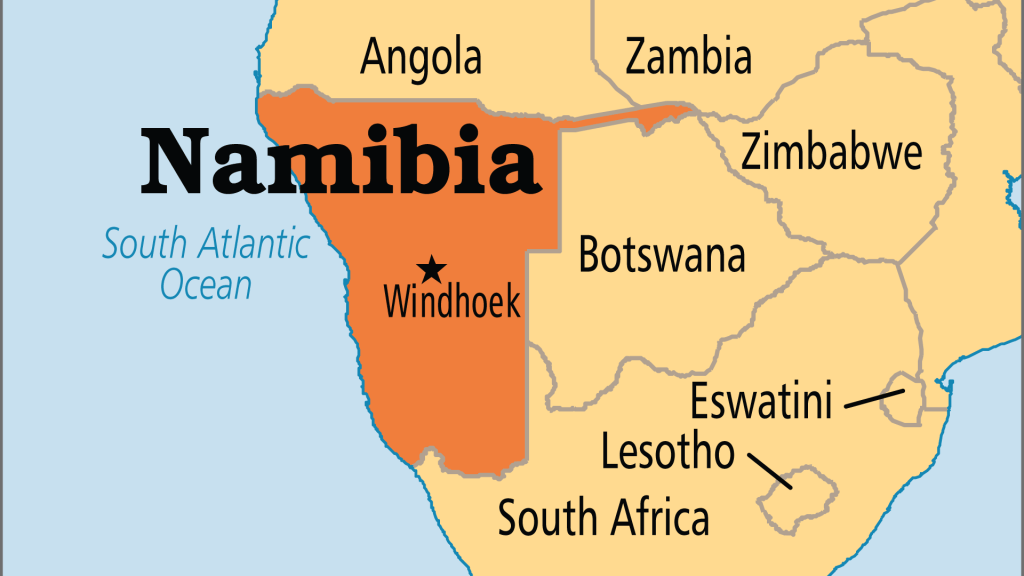
Links for further overview of Namibia:

