
Christianity is the most widespread religious faith in Estonia, accounting for roughly 93% of all religiously affiliated residents. Despite this, Estonia is recognized as one of the least religious and most secular nations in the world, with nearly 59% of the total population claiming no religious affiliation whatsoever.
Major Denominations
While historically a Protestant nation, shifting demographics and secularization have altered the country’s religious makeup:
- Eastern Orthodoxy (~16.3% of the total population): Orthodoxy has surpassed Lutheranism to become the largest Christian denomination in Estonia. It is primarily practiced by the country’s ethnic Russian minority. It is divided into two main branches: the Estonian Orthodox Church of the Moscow Patriarchate and the Estonian Apostolic Orthodox Church under the Ecumenical Patriarchate of Constantinople.
- Lutheranism (~7.7% to 8% of the total population): Historically the dominant faith since the Reformation, membership in the Estonian Evangelical Lutheran Church has declined heavily over recent generations. However, it still maintains cultural significance and the highest number of physical congregations across rural areas.
- Minority Denominations (~2.7% total): Smaller communities include Baptists, Roman Catholics, Pentecostals, Old Believers, and Methodists. The Roman Catholic community is notably small (~6,000 members) but has seen recent visibility and modest growth among younger demographics.
Historical Overview
| Era | Key Developments |
|---|---|
| 13th Century | Christianity was introduced forcibly via the Livonian Crusades by German and Danish crusaders, establishing Roman Catholicism as the initial faith. |
| 1520s–1530s | The Protestant Reformation swept through the region. Estonia adopted Lutheranism, which became deeply embedded in the national and cultural identity. |
| 1710–1917 | Under Russian Empire rule, Eastern Orthodoxy grew, laying the groundwork for the modern Russian Orthodox communities in the region. |
| 1940–1991 | During the Soviet occupation, aggressive state atheism nearly eradicated public religious practice, resulting in the highly secularized society seen today. |
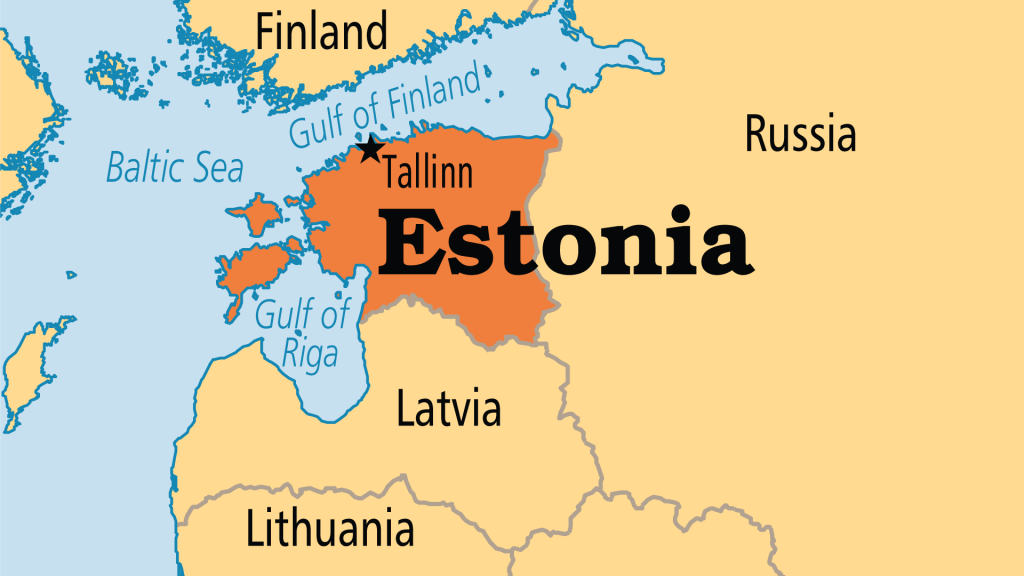
Links for further overview of Estonia:

