
Christians in Morocco constitute less than 1% of the country’s population, which is overwhelmingly 99% Sunni Muslim. The Moroccan constitution establishes Islam as the official state religion and positions the King as the “Commander of the Faithful”. Within this framework, the legal status, social reality, and daily experiences of Christians vary significantly depending on whether they are expatriates or native Moroccan citizens.
The Two Christian Communities
- Foreign Expatriates: The majority of practicing Christians are foreigners, consisting of sub-Saharan African students and migrants, European expats, and diplomats. They enjoy relative freedom of worship and are permitted to attend officially recognized, historic churches—predominantly Roman Catholic and Protestant institutions like the Cathedral of Saint-Pierre in Rabat. Foreigners are strictly prohibited from proselytizing to Moroccan citizens.
- Native Moroccan Converts: Moroccan citizens who convert from Islam to Christianity face severe societal and legal hurdles. Because the state considers all native citizens to be Muslim by default, local Christians cannot legally establish physical churches, hold public services, or obtain official recognition for religious associations. Consequently, they must practice their faith in secret via underground house churches.
Legal and Social Framework
| Category | Legal Status & Restrictions |
|---|---|
| Proselytism | Under Article 220 of the Penal Code, “shaking the faith of a Muslim” or attempting to convert them is illegal. It carries penalties of six months to three years in prison. |
| Civil Rights | Moroccan Christians face structural hurdles regarding civil state matters. They cannot legally choose Christian names for their children, receive a Christian burial in public spaces, or bypass Islamic inheritance laws. |
| Apostasy | In a significant reform, Morocco’s High Religious Committee decreed that converts should no longer face the death penalty for apostasy. However, converts still risk social ostracism, family expulsion, and police harassment. |
Historical Context
Christianity in Morocco is not a modern import; it arrived during the Roman era around the 2nd century A.D. among the indigenous Amazigh (Berber) populations. Following the Islamic conquests in the 7th century, the presence of indigenous Christianity gradually declined, though small pockets survived until the 15th century. The presence of European-style churches surged again during the French and Spanish protectorate eras in the 20th century before shrinking significantly after Morocco gained independence.
Despite the constraints, local Christian advocates and human rights organizations continue to quietly petition the government for greater religious freedom, equal civil rights, and the legal right to worship openly.
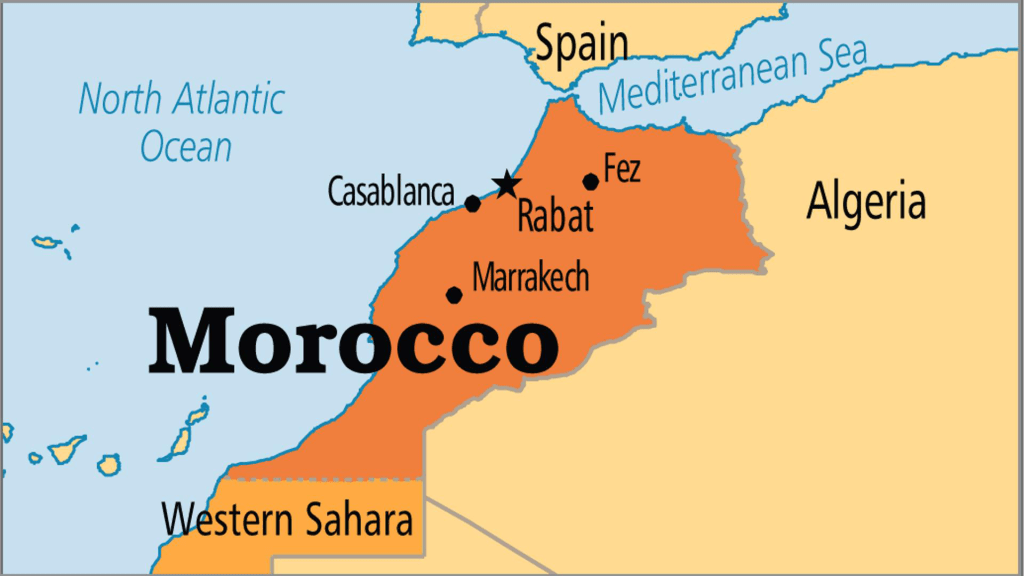
Links for further overview of Morocco:

