
Christianity is the predominant religion in El Salvador, shaping the nation’s history, culture, and social fabric for centuries. Named after Jesus Christ—San Salvador translates to “Holy Savior”—the country boasts a highly religious population where an estimated 78% to 94% of people identify as Christian.
The religious landscape is marked by a historic transition from dominant Catholicism to a fast-growing Protestant sector, as detailed below.
Religious Breakdown
Recent data, including the U.S. Department of State International Religious Freedom Report, highlights a shifting balance between the major Christian groups:
| Denomination / Affiliation | Estimated Population Share | Key Characteristics |
|---|---|---|
| Roman Catholicism | ~42% | Historically dominant; holds automatic legal recognition. |
| Protestant / Evangelical | ~36% | Rapidly growing; primarily made up of Pentecostal and Charismatic churches. |
| No Religious Affiliation | ~17% to 19% | Includes individuals who believe in God but don’t join a church, plus a small atheist/agnostic minority. |
| Other Christian / Non-Christian | ~3% | Includes Latter-day Saints (Mormons), Jehovah’s Witnesses, and small non-Christian groups. |
Historical Impact and the Civil War
Christianity was introduced to El Salvador by Spanish conquistadors in the 1520s. For centuries, the Roman Catholic Church was closely allied with the ruling elite. However, the late 20th century brought a dramatic shift:
- Liberation Theology: In the 1960s and 1970s, many Catholic priests and catechists embraced “the preferential option for the poor,” speaking out against severe economic inequality and government repression.
- The Martyrdom of Saint Óscar Romero: The most prominent Christian figure in Salvadoran history is Archbishop Óscar Romero. He became a fierce voice for human rights and the rural poor. He was assassinated by a right-wing death squad while celebrating Mass in 1980. He was canonized as a Catholic saint in 2018.
- Civil War Violence: During the Salvadoran Civil War (1979–1992), churches became centers of humanitarian aid and resistance, leading to the targeted assassinations of numerous priests, nuns, and lay Christians by military forces.
The Rise of Protestantism
Since the end of the civil war, El Salvador has experienced an immense shift toward Evangelical and Pentecostal Protestantism.
- Why the Growth? Pentecostal churches gained immense popularity in marginalized communities by offering highly participatory worship services, close-knit communal safety nets, and strict moral frameworks that helped families navigate poverty and widespread gang violence.
- Charismatic Movement: The growth of Protestantism also pressured the Catholic Church to expand its own Catholic Charismatic Renewal movements to match the energetic worship styles of Evangelical churches.
Legal Status and Current Politics
The 1983 Constitution of El Salvador guarantees absolute freedom of religion. However, the Catholic Church maintains a distinct legal status. It receives automatic recognition from the state, while Protestant churches and other religious organizations must register as non-profit organizations or NGOs to receive tax-exempt status.
Faith continues to play an aggressive role in public policy. Current President Nayib Bukele frequently integrates Christian rhetoric into his governance, attributing the country’s dramatic reduction in gang violence to “a miracle from God” and a triumph in a spiritual war.
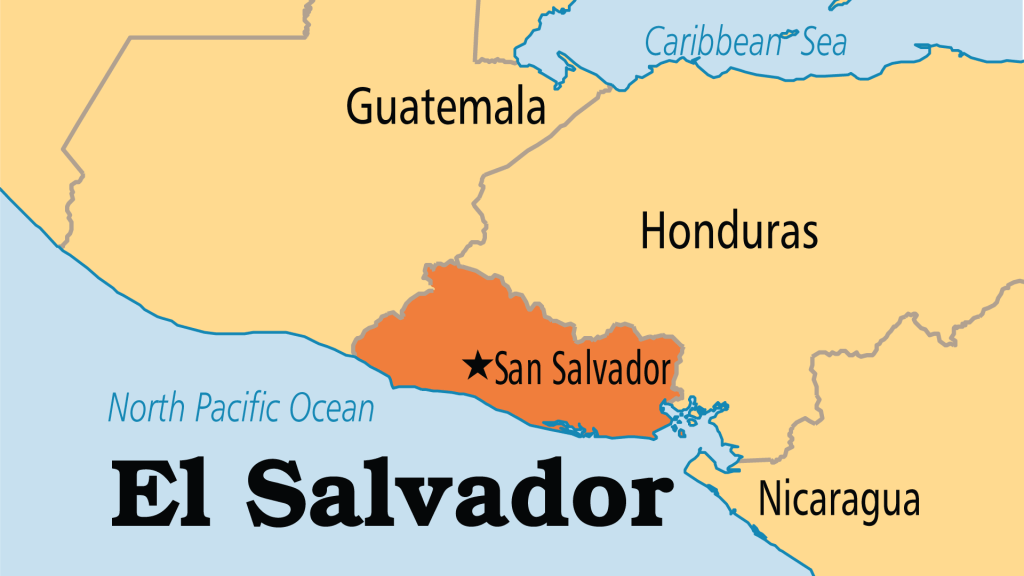
Link for further overview of El Salvador:

