
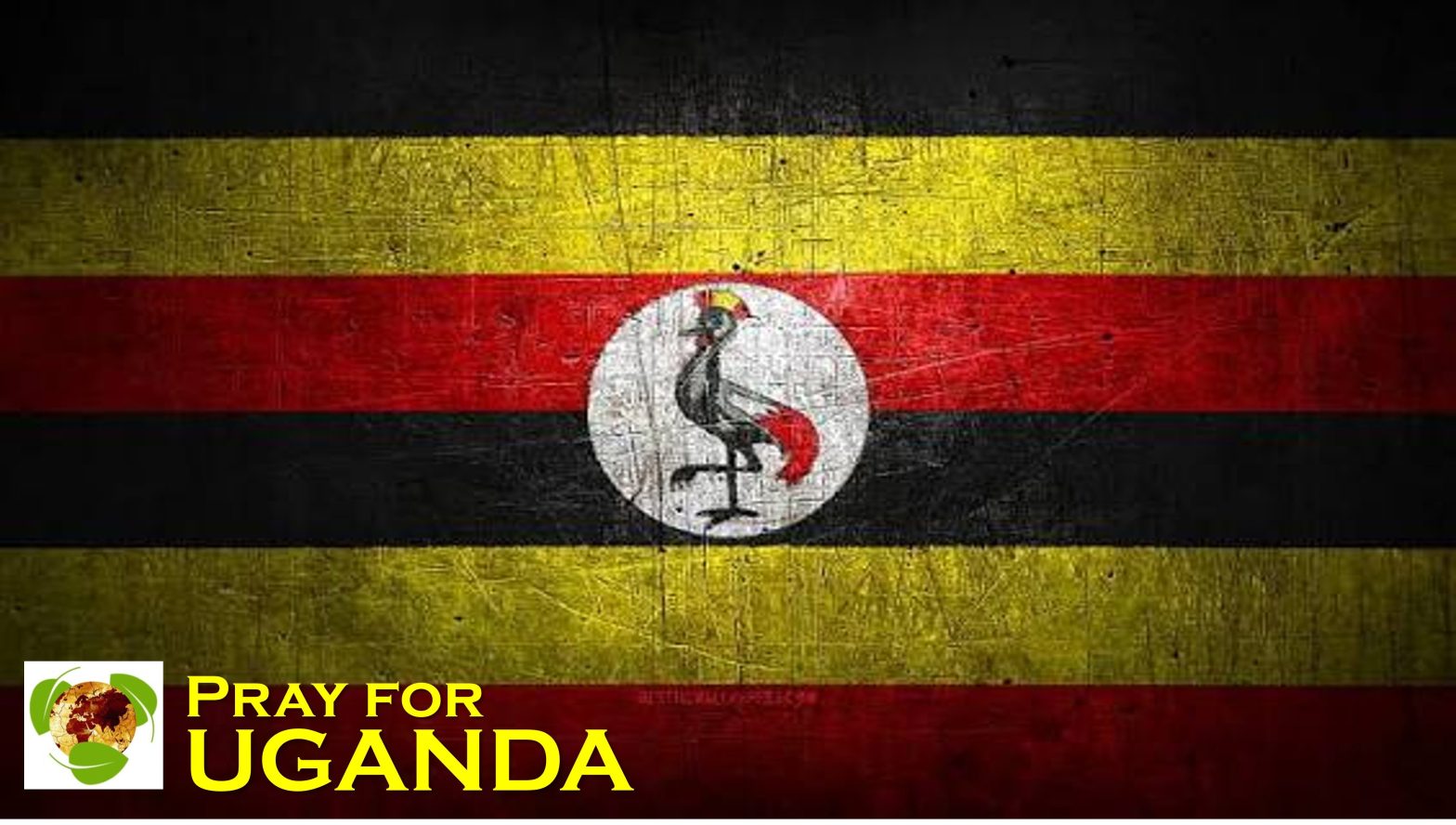
Christianity is the predominant religion in Uganda, with approximately 82% of the population identifying as Christian according to the 2024 census. The religious landscape is deeply woven into the country’s social fabric, education system, and political history, making Uganda one of the most prominent Christian centers in East Africa.
Major Denominations
The Christian population is diverse, but it is heavily anchored by two traditional colonial-era denominations, alongside a rapidly growing evangelical movement:
- Roman Catholicism: The largest denomination, accounting for 36.2% of the country’s population. It is highly prominent in the northern and West Nile regions.
- Anglicanism (Church of Uganda): Representing 29.0% of the population, the Anglican Church of Uganda spans dozens of dioceses and plays a massive role in national higher education and history.
- Pentecostalism & Evangelicals: Making up 14.3% of the population, this sector has experienced explosive growth since the Balokole (“born again”) revival movement that began in the 1930s.
- Other Groups: Smaller minorities include Seventh-day Adventists, Baptists, Presbyterians, and Jehovah’s Witnesses.
Key Historical Milestones
1. Late Arrival and Rapid Expansion (1877)
Compared to other parts of Africa, Christian missionaries arrived relatively late to Uganda. Anglican missionaries arrived first in 1877 at the court of King (Kabaka) Mutesa I of the Buganda Kingdom, followed shortly by French Catholic missionaries. Despite the late start, it became one of the most rapidly successful mission fields on the continent.
2. The Uganda Martyrs (1885–1887)
As Christian and Islamic political influences grew within the royal court, the new young king, Kabaka Mwanga II, saw the foreign faiths as a threat to his absolute authority. He ordered the execution of dozens of young pageboys and officials who refused to renounce Christianity. On June 3, 1886, a large group of Uganda Martyrs was burned alive at Namugongo. Instead of destroying the movement, their executions served as a catalyst for massive growth. June 3rd remains a massive national public holiday in Uganda today.
3. Colonial and Modern Social Impact
During the British protectorate era, Christian institutions became primary providers of civil services. Today, churches remain heavily responsible for the country’s premier healthcare facilities and schools, including institutions like Uganda Christian University.
Contemporary Dynamics and Challenges
- Syncretism: A common challenge noted by theologians is the blending of orthodox Christian doctrines with traditional African spiritual beliefs (ancestor and spirit worship) in rural areas.
- The Prosperity Gospel: Widespread economic challenges and poverty have fueled the massive popularity of the prosperity gospel among newer mega-churches, prompting debates regarding sound biblical theology.
- Interfaith Dynamics: While relations with the large Muslim minority (around 13-14%) are generally peaceful, some border regions experience localized tensions or persecution toward converts.

Links for further overview of Uganda:

