
Christianity is the largest religion in Benin, practiced by over 52% of the population. While it is predominantly located in the southern regions, its growth across the country is characterized by a unique blend with traditional African beliefs, particularly Vodun.
Core Denominations
Christianity in Benin is diverse, consisting of traditional colonial-era churches and indigenous movements.
- Roman Catholicism: The largest group, making up 25% to 32% of the total population.
- Celestial Church of Christ (CCC): An influential indigenous Pentecostal movement founded in Porto-Novo in 1947 by Samuel Oshoffa.
- Protestant & Evangelical: Includes Methodists, Baptists, and Assemblies of God.
- Minority Groups: Jehovah’s Witnesses, Mormons, and the Very Holy Church of Jesus Christ of Baname.
Syncretism and Cultural Context
Benin is the birthplace of Vodun (Voodoo), which remains an official religion and deeply influences Christian practice.
- Dual Practice: Many Beninese identify as Christian but continue to participate in Vodun rituals or consult traditional healers.
- Celestial Church Style: Members are easily identified by white robes and the practice of worshipping without shoes.
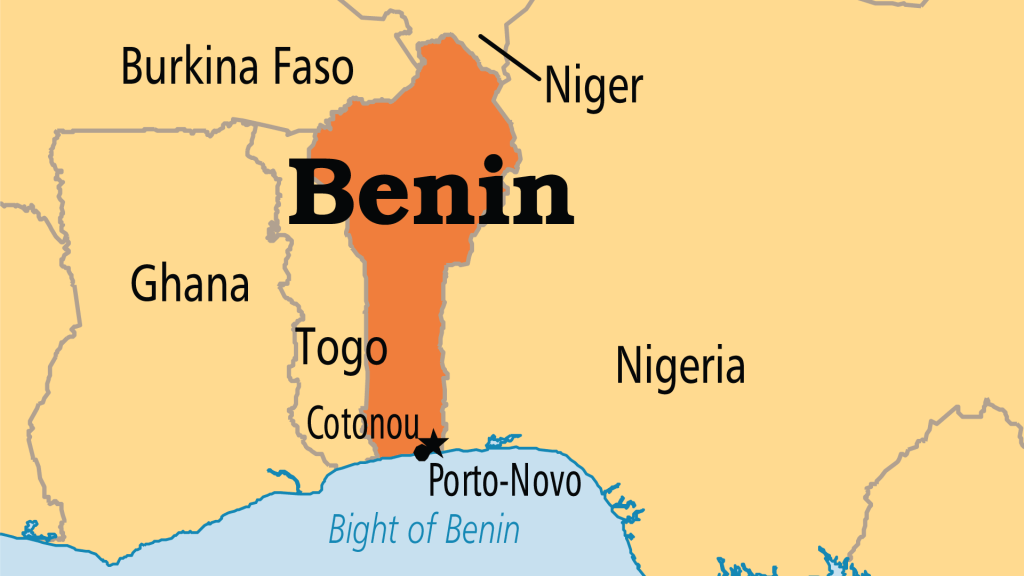
- North-South Divide: The south is predominantly Christian/Catholic, while the north is more heavily Muslim or traditionalist.
Status and Challenges
Benin is generally recognized for its religious tolerance, though some tensions exist.
- Legal Freedom: The constitution guarantees freedom of religion, and the government generally respects this right.
- Persecution in the North: In some northern rural areas, Christian converts may face social rejection or pressure from traditionalist or Muslim communities.
- Resource Gaps: There is a significant shortage of Bibles in local languages; only about 21 of Benin’s 61 languages have a full translation.
- Literacy: High illiteracy rates mean that audio and visual media (like the JESUS Film) are primary tools for evangelism.
Religious Demographics (Estimated)
| Religion | Percentage |
|---|---|
| Christianity | ~52.2% |
| Islam | ~24.6% |
| Traditional (Vodun/Animism) | ~17.9% |
| Other / None | ~5.3% |
| (Data based on 2020 estimates) |
Links for further overview of Benin:

