
Christianity is Indonesia’s second-largest religion, representing approximately 10.5% (29.4 million) of the population. While Indonesia is the world’s most populous Muslim-majority nation, it also houses the second-largest Christian population in Southeast Asia and the largest Protestant community in the region.
Denominational Landscape
The Indonesian government officially recognizes “Protestantism” (Kristen) and “Catholicism” (Katolik) as two distinct religions.
- Protestants (~7.4%):
- Form the majority of the Christian population.
- Dominated by the Huria Kristen Batak Protestan (HKBP), which has over 4.5 million members.
- Other major groups include Reformed, Lutheran, Pentecostal, and Charismatic churches.
- Catholics (~3.1%):
- Total approximately 8.6 million people.
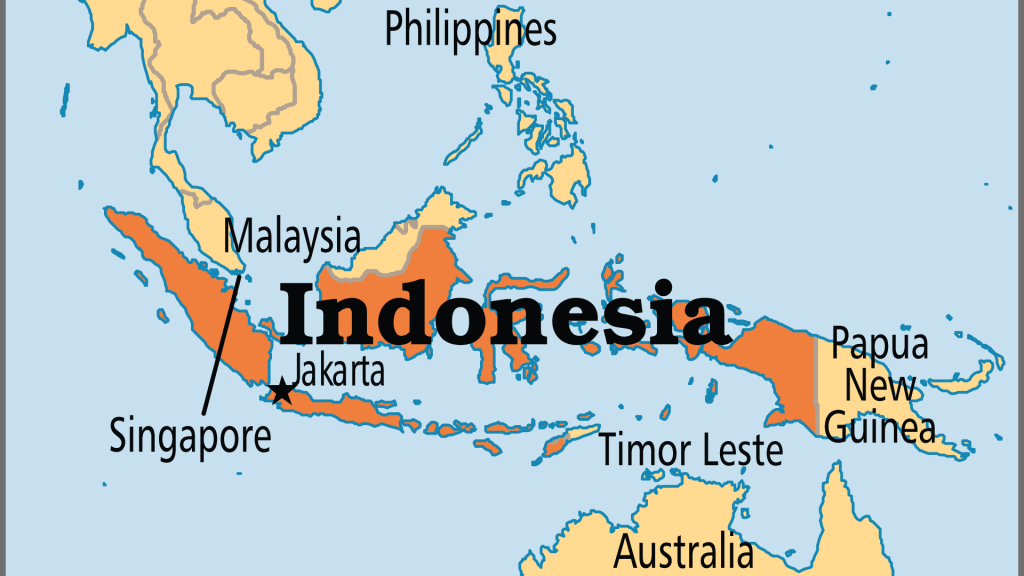
- Highly concentrated in Flores (East Nusa Tenggara) and South Papua.
- A significant percentage of ethnic Chinese Indonesians are Catholic.
Regional Concentrations
Christianity is unevenly distributed, with several provinces being majority Christian:
| Province Group | Dominant Group | Notes |
|---|---|---|
| Papua (All 6 provinces) | Protestant/Catholic | Over 84% Christian in some areas; highest density. |
| East Nusa Tenggara (NTT) | Catholic | The only province where Catholicism is the majority (over 54%). |
| North Sulawesi | Protestant | Home to the Minahasa people; approximately 68% Christian. |
| North Sumatra | Protestant | Significant Batak population; Tapanuli region is heavily Christian. |
| West Kalimantan | Catholic | Large Dayak and Chinese Catholic communities. |
Historical Context
Christianity’s arrival was not a single event but a gradual process linked to trade and colonialism.
- Portuguese Era (16th C): Portuguese traders and missionaries (including St. Francis Xavier) brought Catholicism to eastern islands like Maluku and Timor.
- Dutch Era (17th–20th C): The Dutch East India Company (VOC) promoted Dutch Calvinist Protestantism and often suppressed Catholicism.
- Modern Growth: Mass conversions occurred in the mid-1960s following political upheavals, as citizens were required to adopt an officially recognized monotheistic religion.
Status & Social Impact
- Education & Healthcare: Christian organizations run some of Indonesia’s most prestigious schools and hospitals, contributing significantly to social development.
- Political Representation: Despite their minority status, Christians are well-represented in government, holding about 15% of seats in the House of Representatives (DPR).
- Blasphemy Laws: While freedom of religion is constitutionally guaranteed, Christians sometimes face challenges such as difficulty obtaining church building permits or facing blasphemy accusations.
- Cultural Fusion: Faith is often blended with local traditions, such as the Semana Santa Easter procession in Larantuka or the use of traditional wayang puppetry to tell Bible stories.
Links for further overview of Indonesia:

