
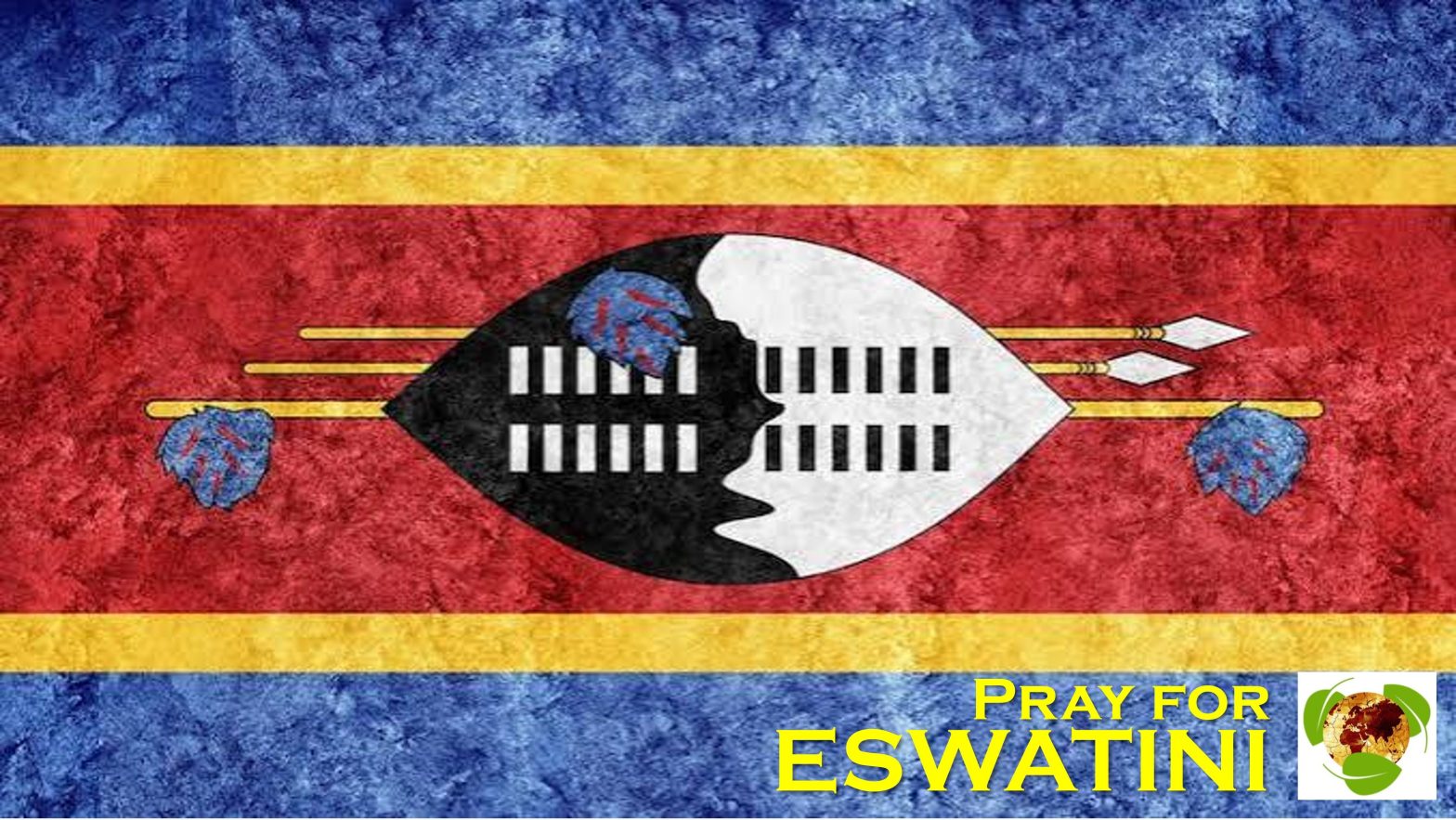
Christianity is the predominant religion in Eswatini, with roughly 90% of the population identifying as Christian. The faith is officially accepted by the Swazi monarchy, and the royal family itself is Christian. While Western missionary groups have deep roots in the nation, the largest and fastest-growing segments belong to indigenous African churches.
Denominational Breakdown
According to local religious data and national census estimates, Christian affiliation is heavily diverse, with a notable leaning toward homegrown movements:
- African Zionism (approx. 38% – 40%): The largest Christian movement in Eswatini. Zionism in the region is an African Independent Church movement that blends traditional Pentecostal beliefs with indigenous customs.
- Evangelicals and Pentecostals (approx. 25% – 38% combined): A highly active community focusing on traditional Protestant theological frameworks, youth outreach, and bible training institutions.
- Roman Catholicism (approx. 4% – 20% depending on source data): Possesses deep historical roots and plays a major role in operating local schools and healthcare facilities.
- Mainline Protestants (approx. 5% – 10% combined): This group is primarily comprised of Methodists (invited by the Swazi King in 1825), Anglicans, Nazarenes, and Lutherans.
Cultural Syncretism: Blending with Tradition
The defining characteristic of Christianity in Eswatini is its interplay with traditional Swazi culture and indigenous beliefs.
- Zionist Practices: Many church members see no contradiction between Christian tenets and Swazi ancestral traditions. Rural Zionist practices frequently combine prayer, faith healing, and water rituals with the physical aesthetics of traditional Swazi dress and respect for ancestral spiritual practices.
- The Incwala Festival: Major national indigenous ceremonies, such as the annual Incwala (Festival of the First Fruits), celebrate spiritual cleansing, renewal, and the absolute power of the King. Many Christians actively participate in these national traditions, seeing them as integral to their ethnic identity as Swazis.
Church Influence and Social Impact
The Constitution of Eswatini ensures freedom of religion. The Christian church maintains a very prominent role in daily public life, including national media platforms and the public education curriculum.
Ecumenical organizations like the Council of Swaziland Churches actively coordinate social outreach programs. Due to the historical gravity of the HIV/AIDS epidemic and deep poverty in the country, local churches serve as critical social safety nets, running clinics, food programs, and orphanages to support vulnerable communities.
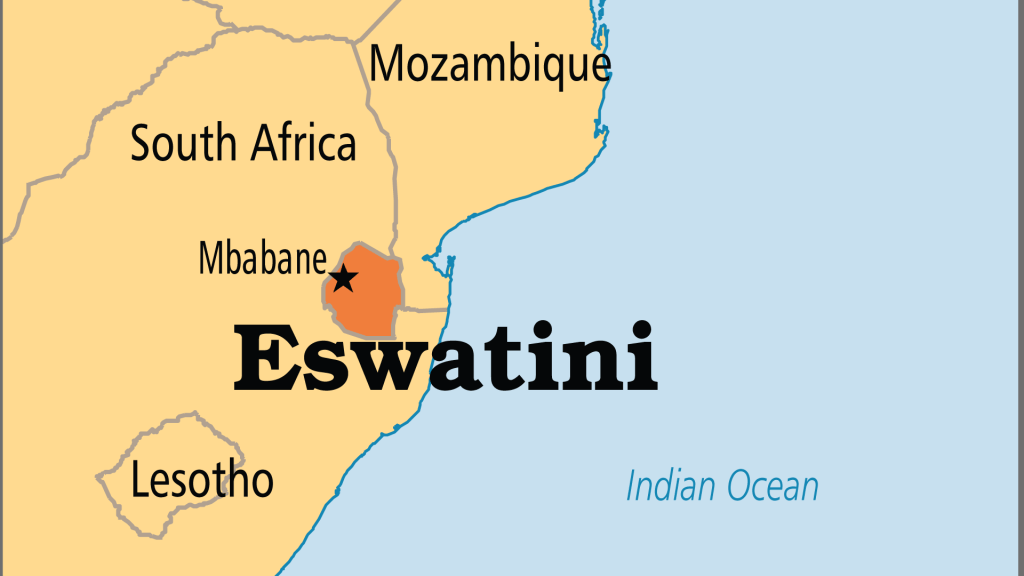
Links for further overview of Eswatini:

