
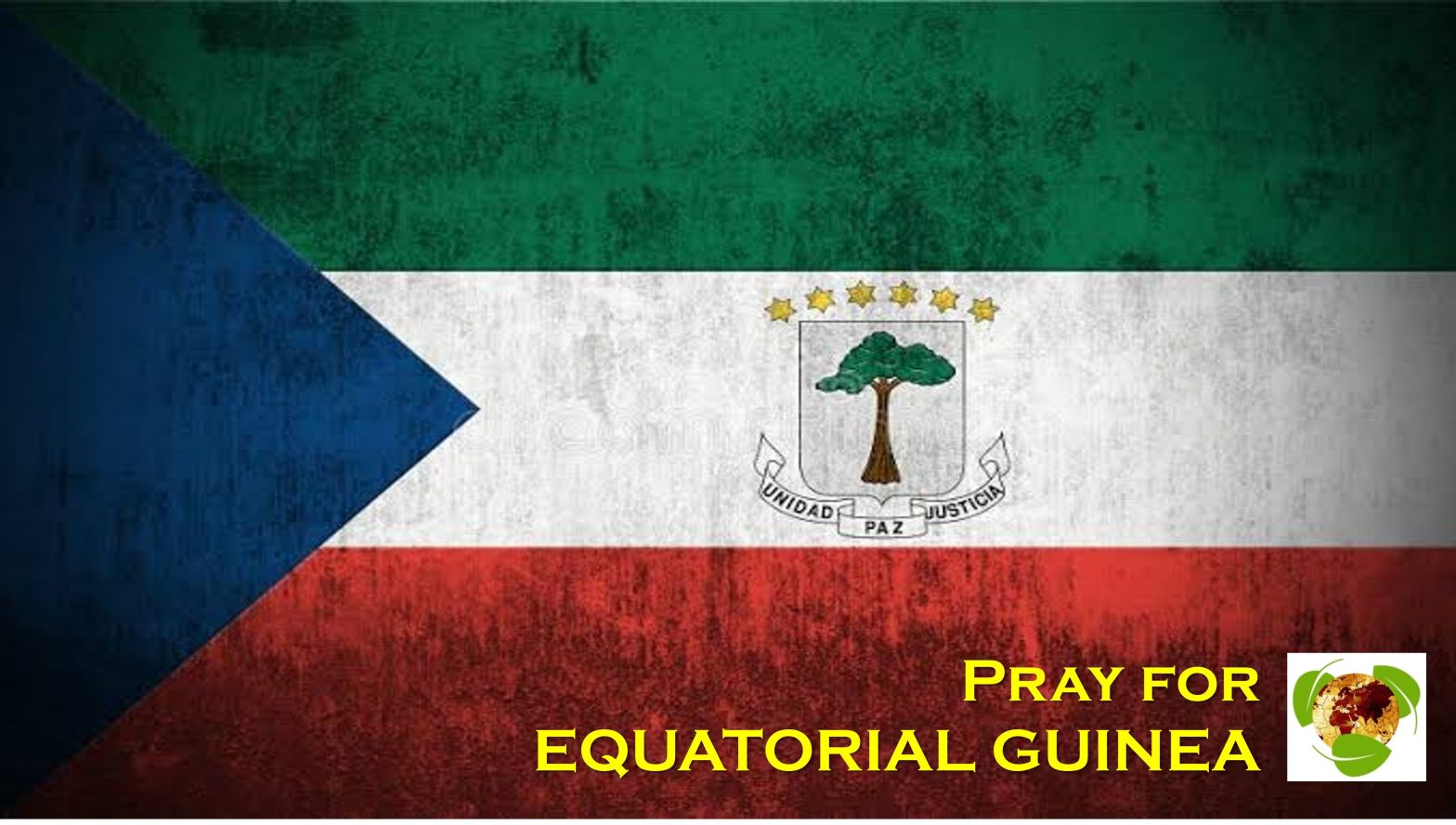
Christianity is the majority religion in Equatorial Guinea, practiced by roughly 80% to 90% of the population.
Demographics and Denominations
- Roman Catholicism: The largest denomination, representing between 71% and 88% of the population.
- Protestantism and Evangelicals: Roughly 5% to 10% of the population belong to Protestant groups (such as the Reformed Church, Presbyterians, and Methodists) or growing Pentecostal and Evangelical movements.
- Syncretism: Many people who identify as Christian also practice traditional indigenous or animist beliefs, such as the Mbwiti cult on the mainland.
History
- Colonial Roots: Spanish and Portuguese colonization brought Christianity to the region. Spanish missionary influence left a deep imprint, making Spanish the primary language of worship and church administration. Early British Methodist missions also established a presence on Bioko (formerly Fernando Po) in the 19th century.
- Persecution: Under the dictatorial regime of Francisco Macías Nguema (1968–1979), churches faced severe harassment, and the Roman Catholic Church was formally banned in 1978. These restrictions ended following the 1979 coup.
Government and Legal Status
- Constitutional Rights: The constitution guarantees freedom of religion.
- State Preference: The Roman Catholic Church and the Reformed Church of Equatorial Guinea receive preferential treatment and are exempt from standard registration rules required of other religious groups. Catholic services frequently form part of official state ceremonies.
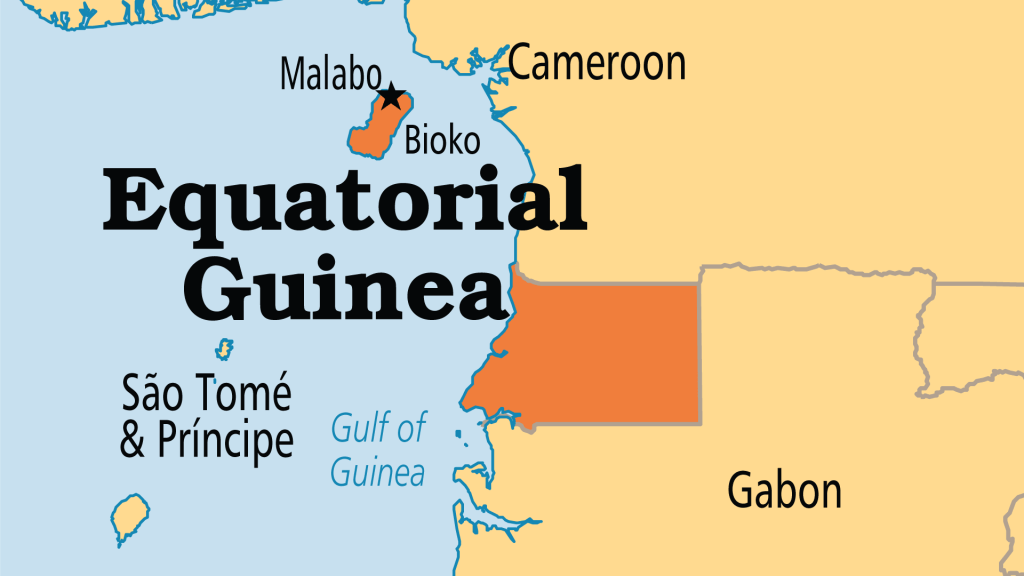
Links for further overview of Equatorial Guinea:

