
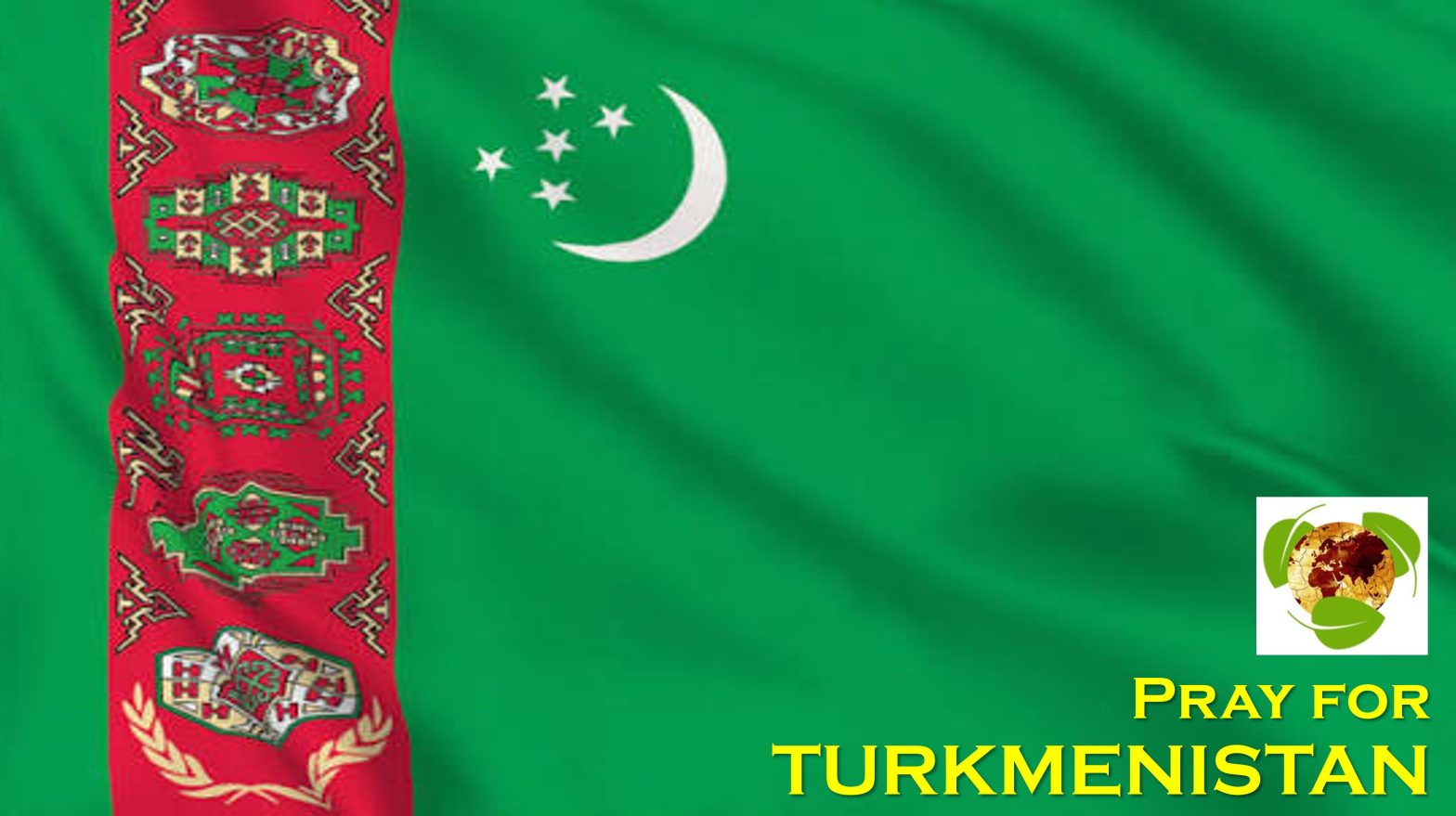
Christianity in Turkmenistan is a minor and heavily restricted religion in a predominantly Muslim country. Christians account for roughly 2.5% to 4% of the population, with the vast majority belonging to the Russian Orthodox Church. The country is widely recognized as one of the most repressive environments in the world for religious freedom.
Demographics and Major Denominations
- Total Christian Population: Approximately 164,000 people (around 2.5%–4% of the total population).
- Russian Orthodox Church: The largest Christian body. Most members are ethnic Russians, Ukrainians, or Belarusians who remained after the Soviet collapse.
- Armenian Apostolic Church: Holds a historical presence, primarily serving the ethnic Armenian minority.
- Protestants and Evangelicals: Account for less than 0.1% of the population. This includes tiny, fragmented pockets of Baptists, Pentecostals, and Seventh-day Adventists.
Legal Status and State Control
The government of Turkmenistan maintains total control over all forms of public and religious life.
- Two Approved Groups: While the constitution mentions freedom of religion, state sanction is practically limited to Sunni Islam and the Russian Orthodox Church.
- Mandatory Registration: All religious organizations must register with the state. Registering new or non-traditional churches is virtually impossible. Unregistered religious activity is strictly illegal.
- Heavy Surveillance: Even registered Russian Orthodox services are closely monitored by state authorities.
- Censorship: The State Council of Religious Affairs censors all religious texts. Possessing unauthorized religious literature—including the Turkmen-language Bible—is illegal and punishable.
- Bans on Education: Private religious education is fully banned, and it is illegal to teach religion to children outside of highly restricted state settings.
Persecution and the Underground Church
Because of severe state control, the U.S. State Department consistently designates Turkmenistan as a “Country of Particular Concern” for its religious freedom violations.
- The Evangelical Underground: Because they cannot register, most Protestant groups function completely underground. They meet in secret house churches, routinely changing locations to evade secret police.
- Raids and Fines: Secret house churches are routinely raided. Believers face interrogation, heavy administrative fines, physical abuse, and imprisonment.
- Treatment of Converts: Ethnic Turkmen who convert from Islam to Christianity experience the harshest penalties. They are viewed as traitors to their culture and face severe family violence, forced marriages, loss of employment, and total social ostracization.
Historical Context
Christianity in this region is not entirely modern. Material evidence from the 3rd and 4th centuries shows that the ancient city of Merv (modern-day Mary, Turkmenistan) served as a vital hub for the historic Church of the East (Nestorian Christianity) along the Silk Road. Christianity nearly vanished from the region by the 14th century following regional conquests and the expansion of Islam. It was reintroduced in the 19th and 20th centuries via Russian colonization and Soviet-era migrations.
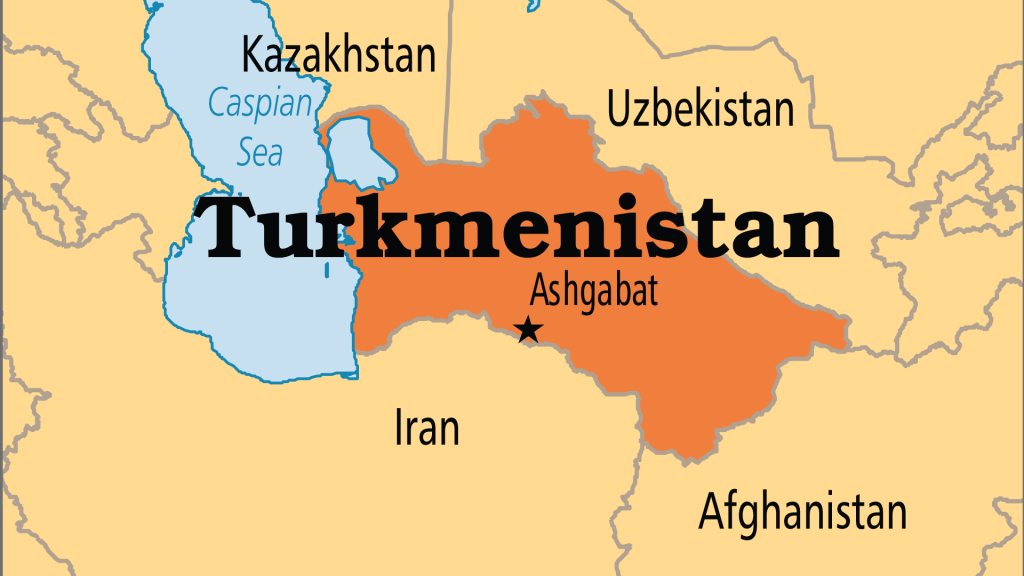
Links for further overview of Turkmenistan:

