
Christianity is the predominant religion in Liechtenstein, with approximately 80% of the population identifying as Christian. The Roman Catholic Church is constitutionally recognized as the state religion and enjoys full protection from the state. However, alongside this Catholic majority, there is a mix of Protestant Reformed, Orthodox Christians, and other religious minorities, though active and regular church attendance remains relatively low.
A breakdown of the religious landscape in Liechtenstein includes the following features:
Roman Catholicism
- State Religion: According to the constitution, the Roman Catholic Church is the state church of the principality.
- Archdiocese of Vaduz: Historically, the territory fell under the jurisdiction of the Swiss Diocese of Chur. In 1997, Pope John Paul II established the independent Archdiocese of Vaduz.
- National Symbol: The Cathedral of St. Florin (also known as Vaduz Cathedral) is the most iconic Catholic site in the capital.
Protestantism
- Protestant Reformed & Lutheran: Around 8% to 9.5% of the population identifies as Protestant, primarily stemming from expatriates from Switzerland, Germany, and Austria.
- Evangelical Church in Liechtenstein: Most Protestants belong to the united Evangelical Church, which consolidates both Reformed and Lutheran traditions into a single parish, located in the Ebenholz neighborhood of Vaduz.
Eastern Orthodoxy
Growing Community: Orthodox Christianity (including Eastern Orthodox and Oriental Orthodox groups) makes up roughly 1% to 2% of the population, primarily due to recent immigration. The Christian-Orthodox Religious Community holds services in spaces such as St. Laurence’s Church in Schaan.
Religious Freedom and Demographics
- Constitutional Rights: Freedom of belief and conscience is guaranteed for all persons. The state guarantees tax-exempt status for all recognized religious associations.
- Mandatory Religious Education: Public schools (at primary and secondary levels) include religious education in their curriculum. Parents can choose between Catholic/Protestant religious classes or a sociological “religion and culture” course, and exemptions are generally available.
- Broader Society: The Christian majority shares the country with a growing Muslim population (around 6%), a very small Jewish community, and a notable portion of the population (about 10%) claiming no religious affiliation.
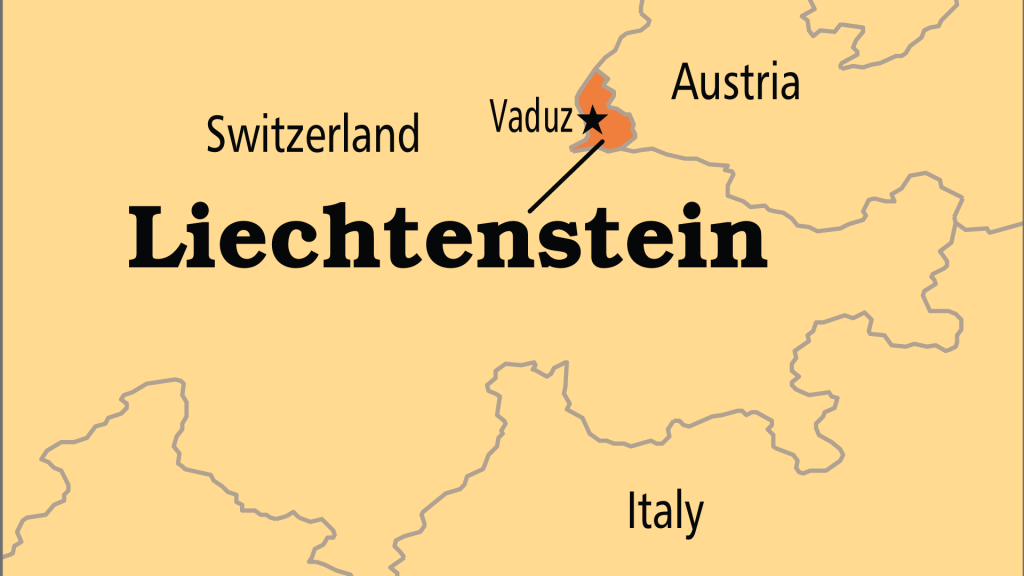
Links for further overview of Liechtenstein:
 Stichting HEALING THE NATIONS