
Christianity is the predominant religion in Serbia, with roughly 86% to 90% of the population identifying as Christian. The vast majority are Orthodox Christians, who follow the Serbian Orthodox Church (SOC), which has played a central role in shaping Serbian national identity and culture.
Core Demographic Data (2022 Census)
- Eastern Orthodox: 81.1% (predominant).
- Catholic: 3.9% (mostly in Vojvodina/northern region).
- Other Christian/Protestant: 1.7%.
Key Aspects of Christianity in Serbia
- Serbian Orthodox Church (SOC): An autocephalous (self-governing) church, ranked sixth in seniority among Orthodox churches. It is led by Patriarch Porfirije.
- Historical Significance: Christianity arrived in the 9th century, with St. Sava establishing an independent Serbian Archbishopric in 1219.
- Cultural Traditions: The Slava (celebration of a family patron saint) is a crucial cultural tradition for Serbian Orthodox families.
- Minority Denominations: The Catholic Church is prominent in Vojvodina among Hungarian, Croatian, and Bunjevci communities. Protestantism is found mostly in Slovak populations in Kovačica and Bački Petrovac.
- Inter-religious Landscape: While Orthodox Christianity is dominant, Serbia has a small Muslim population, mostly in the southwestern Sandžak region.
- Religious Freedom: The Constitution defines Serbia as a secular state, guaranteeing freedom of religion, though the SOC retains significant societal and historical influence.
Key Historical & Religious Sites
- Monasteries: Serbia has numerous, historically significant monasteries including Studenica, Sopoćani, and Visoki Dečani (the latter in Kosovo).
- Church of Saint Sava: Located in Belgrade, it is one of the largest Orthodox churches in the world.
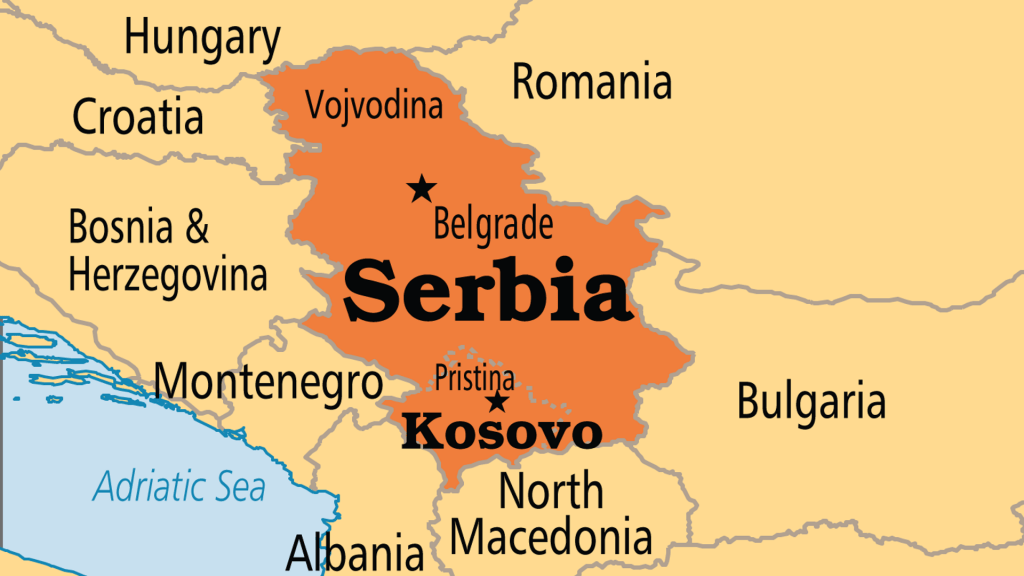
Links for further overview of Serbia:

