
Christianity is the dominant religion in Rwanda, practiced by approximately 94% of the population. While the country remains highly religious, the landscape is shifting from traditional Catholic dominance toward rapidly growing Pentecostal and evangelical movements.
Religious Demographics (2022 Census)
Rwanda’s religious makeup has diversified significantly since the 1990s:
- Roman Catholic: 40.0% (down from over 60% pre-1994)
- Pentecostal: 21.0%
- Protestant (Anglican, Baptist, Methodist, etc.): 15.0%
- Seventh-day Adventist: 12.0%
- Other Christian: 4.0%
- Non-Christian (Muslim, Traditional, etc.): ~8.0%
Recent Government Crackdown
In 2024 and 2025, the Rwandan government intensified its enforcement of a 2018 law designed to regulate religious organizations. This has led to the closure of over 10,000 churches.
- Safety & Hygiene: Many churches were closed for lacking basic infrastructure like toilets, parking, and soundproofing.
- Theological Education: All preachers are now legally required to have a degree or certificate in theology from an accredited institution.
- Financial Oversight: Churches must provide annual action plans and manage all donations through registered bank accounts.
- Impact: Most affected are small, independent Pentecostal “born-again” churches, some of which have been driven underground.
Historic Role in the 1994 Genocide
The relationship between the church and the state is a central theme in Rwandan history.
- Colonial Era: Catholic “White Fathers” arrived in 1900 and allied with the ruling elite to promote the “Hamitic Hypothesis,” which racialized Hutu and Tutsi identities.
- Genocide Complicity: During the 1994 genocide against the Tutsi, many churches—previously considered sanctuaries—became primary killing grounds.
- Clergy Involvement: Some clergy members were later convicted of facilitating massacres or leading killers to those seeking refuge.
- Post-Genocide Shift: Many Rwandans left the Catholic Church after the genocide, either joining Pentecostal groups perceived as more “vibrant” or converting to Islam, which was seen as having more honorably protected people during the violence.
Role in Reconciliation
Today, churches are pivotal to the national project of healing and reconciliation.
- Trauma Healing: Faith-based organizations provide psychological support and trauma counseling.
- Community Projects: Churches collaborate with the government on health, education, and agricultural development.
- Interfaith Unity: Groups like the Rwanda Governance Board (RGB) work with religious leaders to promote tolerance and social cohesion.
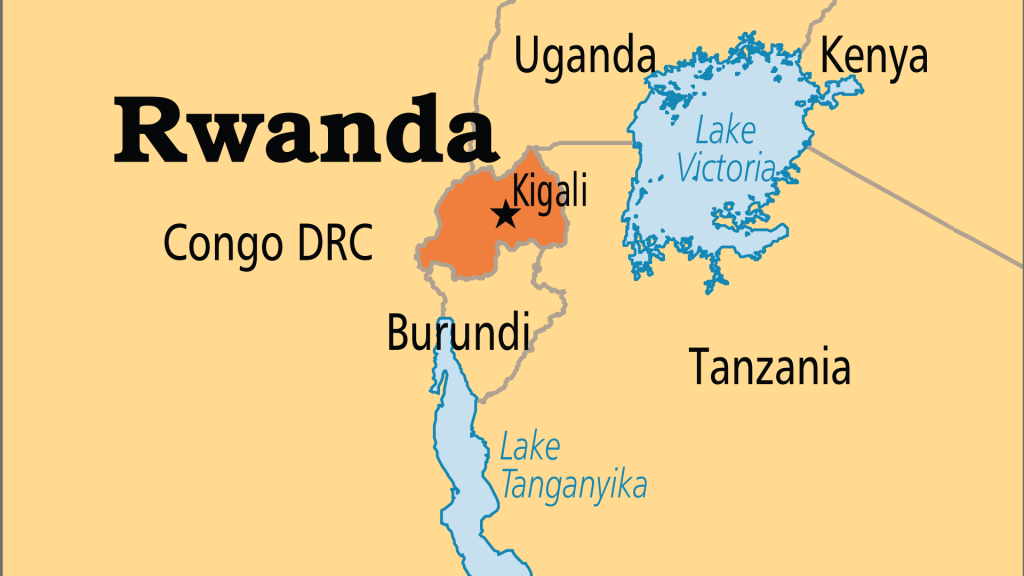
Links for further overview of Rwanda:
 Stichting HEALING THE NATIONS