
Christianity is the dominant religion in São Tomé and Príncipe, with over 80% of the population identifying as Christian. The faith is deeply woven into the nation’s history, culture, and social fabric, though it often coexists with traditional African spiritual practices.
Denominational Landscape
The religious landscape is characterized by a strong Catholic majority and a rapidly growing Protestant sector.
- Roman Catholicism: The largest denomination, representing roughly 54% to 75% of the population. It is the historical religion of the islands, established during the Portuguese colonial era.
- Protestantism: Includes various groups such as Seventh-day Adventists, Methodists, Evangelicals, and the Universal Church of the Kingdom of God. Protestantism has seen significant growth in recent years due to active missionary efforts.
- Other Groups: Smaller communities include Jehovah’s Witnesses and the New Apostolic Church.
Historical Context
Christianity’s presence on the islands dates back over 500 years.
- Portuguese Arrival: Portuguese explorers brought Catholicism to the uninhabited islands in the late 15th century.
- Colonial Growth: The first church, Nossa Senhora da Graça, was built in 1504. In 1534, the Roman Catholic Diocese of São Tomé and Príncipe was established, once covering a vast territory along the African coast.
- Slavery and Faith: The church played a complex role during the Atlantic slave trade, providing both religious instruction to enslaved people and occasionally participating in the trade itself.
- Post-Independence: Following independence in 1975, the country briefly identified as a secular state under Marxist ideology, but religious practice remained strong and freedom of religion was formally restored in 1990.
Cultural Integration & Syncretism
Christianity in São Tomé is unique for its blending of European and African influences.
- Syncretic Practices: Many residents practice a “creole” version of Christianity where Catholic rituals (like baptism and funerals) are combined with traditional African beliefs in spirits and ancestors.
- Social Life: Local religious brotherhoods and sisterhoods are vital for organizing community festivals, which usually center around patron saints.
- Holidays: Major Christian dates like Christmas, Good Friday, and All Souls’ Day are recognized as national holidays.
Legal Status & Freedom
The country is known for its high level of religious tolerance.
- Constitutional Protection: The Constitution of São Tomé and Príncipe guarantees freedom of religion and worship for all citizens.
- State Relationship: While the state is secular, it maintains a cooperative relationship with religious institutions. In 2022, a historic agreement was signed with the Vatican to recognize the legal personality of the Catholic Church.
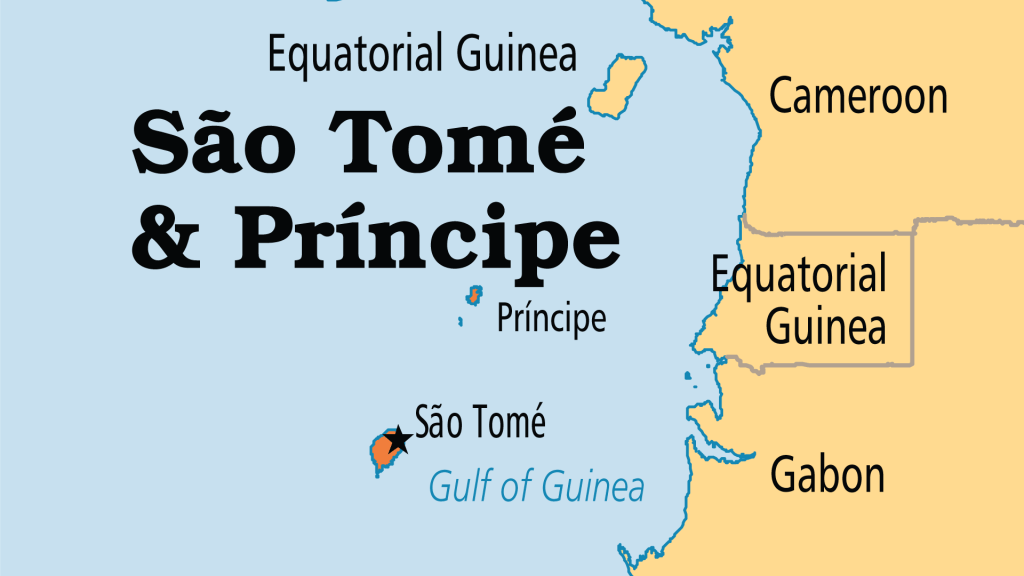
Links for further overview of Sao Tome & Principe:

