
Christianity in Jordan is home to one of the oldest continuous Christian communities in the world, with deep biblical roots and a significant modern-day presence.
Biblical & Historical Significance
Jordan is considered part of the Holy Land, featuring numerous sites mentioned in the Bible.
Demographics & Denominations
While the population is 97% Sunni Muslim, Christians comprise about 2.1% to 3% of the country.
- Greek Orthodox: The largest Christian group in the country.
- Catholicism: Includes Latin (Roman), Melkite Greek Catholic, and Maronite communities.
- Other Denominations: Armenian Orthodox, Syriac Orthodox, Coptic, Anglican, and small Protestant groups.
- Key Communities: Cities like Amman, Madaba, Salt, and Karak have high Christian populations, while Fuheis and Al Husn are predominantly Christian towns.
Legal Status & Society
Christians in Jordan are well-integrated and enjoy a high degree of religious freedom compared to other regional states.
- Political Representation: The government reserves 9 out of 130 seats in Parliament for Christians.
- Work & Life: Christians are legally allowed to leave work for Sunday mass, and Christmas is a recognized public holiday.
- Ecclesiastical Courts: Christian communities have their own courts to handle matters of personal status, such as marriage and inheritance.
- Restrictions: While public worship is allowed, proselytizing Muslims is strictly prohibited, and converts from Islam may face legal and social hardships.
Royal Support
The Hashemite monarchy, specifically King Abdullah II, is a strong advocate for Arab Christian presence and interfaith dialogue. He frequently emphasizes that Christians are an “integral part” of the region’s past, present, and future.
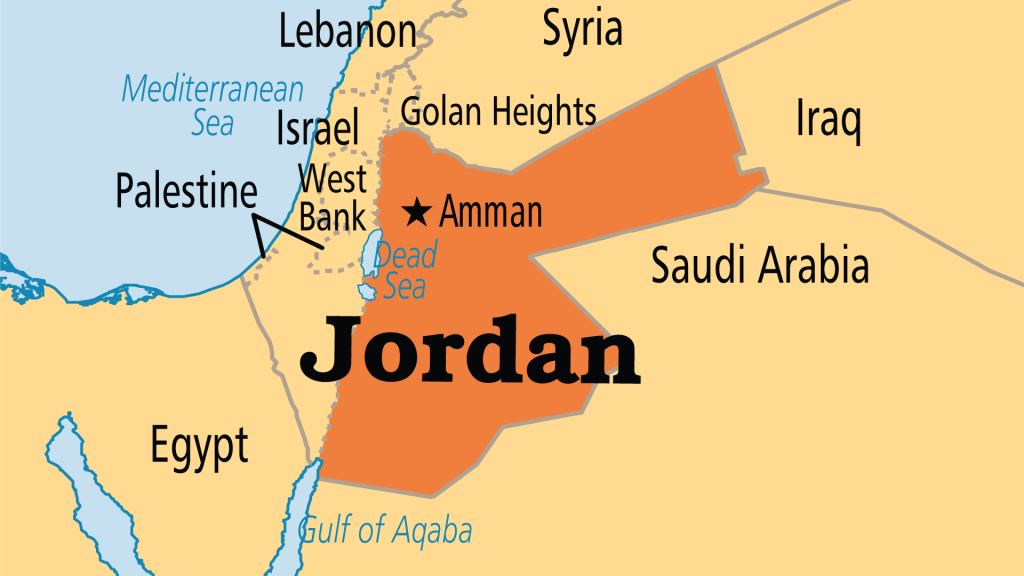
Links for further overview of Jordan:

