
Christianity is the majority religion in Malawi, practiced by approximately 77% to 87% of the total population. The religious landscape is highly pluralistic, featuring prominent Roman Catholic and Protestant traditions alongside rapidly growing Pentecostal, Evangelical, and African Independent Churches. Christianity is deeply woven into the country’s social fabric, cultural identity, national politics, and educational systems.
Major Denominations
- Roman Catholic Church: Represents the largest single Christian body, adhering to roughly 36% of the country’s population.
- Church of Central Africa Presbyterian (CCAP): Stands as the largest Protestant denomination with over 1.3 million members, making up about 14% to 18% of the population.
- Seventh-day Adventist: Holds a significant presence, encompassing around 9.4% of Malawians.
- Pentecostal and Evangelical Churches: Accounting for 7.6% and rising, fueled by charismatic movements and local theological training.
- Anglican Church: Formally organized under the Church of the Province of Central Africa, comprising about 2.3% of the population.
Historical Background
Christianity’s widespread roots began in 1859 with the arrival of celebrated Scottish explorer and missionary David Livingstone. His travels directly inspired the establishment of early Anglican and Presbyterian operations, such as the famous Blantyre Mission and the Livingstonia Mission. While European figures managed early institutional growth, local Malawians quickly developed indigenous interpretations of the faith, leading to independent leadership and a highly localized expression of church music, language, and communal values.
Political and Social Influence
- Governance: The Church wields immense political leverage. Major bodies like the CCAP and the Catholic Church famously intervened to protect democratic term limits when former President Bakili Muluzi attempted to alter the constitution. Notably, Malawi’s political leadership has deep theological roots; President Lazarus Chakwera took office in 2020 after serving two decades as a lead theologian for the Malawi Assemblies of God.
- Education and Health: Most early schools and hospitals were established by missions. Today, public primary schools still integrate biblical studies and moral coursework into their standard curriculums.
- Development: Christian aid groups actively address the country’s severe economic pressures and high HIV/AIDS rates by running social development programs, food relief, and community-transforming initiatives.
Interfaith Dynamics
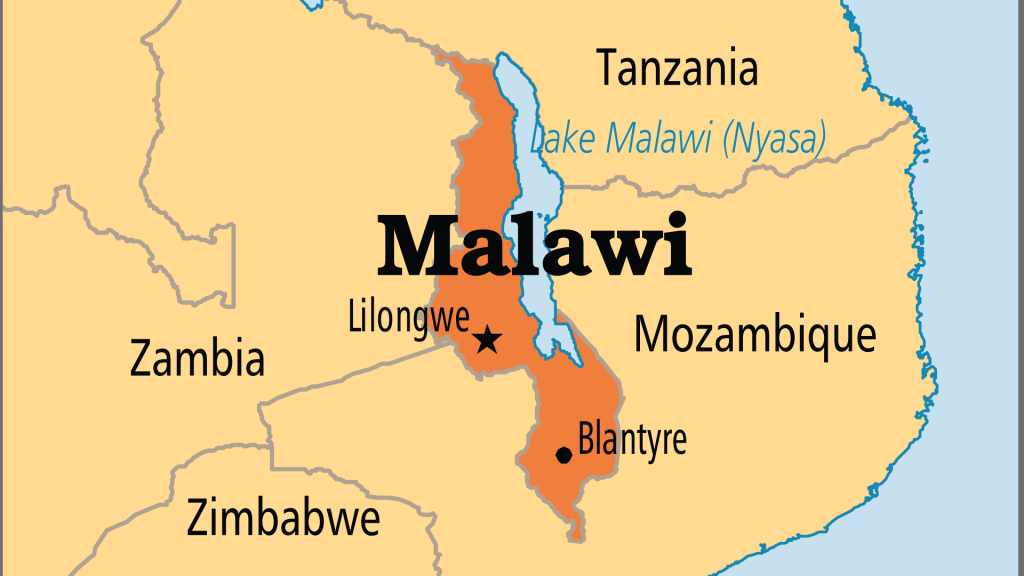
Malawi is broadly recognized for peaceful coexistence and strong constitutional protections for religious freedom. However, localized religious friction exists, particularly alongside the Yao people, a historically Muslim ethnic group making up a large portion of Malawi’s 11% to 15% Muslim minority. In southern lakeshore districts like Machinga and Mangochi, Christian converts from Islam occasionally face intense community friction, ostracization, and targeted property damage. Simultaneously, local church leaders continue to adapt their mission work to balance traditional customs, secular youth culture, and biblical principles.
Links for further overview of Malawi:

