
Christianity in Kosovo is a minority religion representing roughly 4% of the total population, following a history that dates back to the Roman Empire. While Kosovo is a predominantly Muslim nation—with over 93% of its inhabitants practicing Islam—Christianity remains deeply embedded in the region’s cultural fabric through two distinct communities: Eastern Orthodoxy (mostly practiced by ethnic Serbs) and Roman Catholicism (practiced primarily by ethnic Albanians).
Major Christian Denominations in Kosovo
1. Eastern Orthodoxy
- Demographics: Accounts for roughly 2.3% of the population, practiced almost exclusively by the ethnic Serb minority.
- Jurisdiction: Governed entirely by the Serbian Orthodox Church via the Eparchy of Raška and Prizren.
- Cultural Heritage: Kosovo holds massive spiritual and historical weight for Serbs. It features 156 Orthodox churches and monasteries, including four designated UNESCO World Heritage Sites: the Patriarchate of Peć, Visoki Dečani, Gračanica, and Our Lady of Ljeviš.
- Current Status: The Orthodox presence is heavily tied to regional politics. Dozens of churches were damaged or destroyed during ethnic conflicts between 1999 and 2004, and today many major sites require 24-hour security.
2. Roman Catholicism
- Demographics: Accounts for about 1.8% to 2.2% of the local population.
- Jurisdiction: Organised under the Diocese of Prizren-Pristina. Though the Holy See does not officially recognize Kosovo as a sovereign state for diplomatic reasons, Pope Francis elevated the local church structure to a full diocese.
- Ethnic Affiliation: Practiced primarily by ethnic Albanians and a small community of Croats.
- Historical Syncretism: Historically, many Albanians under Ottoman rule practiced “crypto-Catholicism” (laramanët in Albanian)—externally acting as Muslims to avoid high taxes but practicing Catholicism in private.
3. Protestantism
- Demographics: Comprises a very small community, with fewer than 2,000 evangelical Christians.
- Status: Activists note that evangelism operates largely “in the margins,” sometimes utilizing unconventional setups like local coffee shops to host church services and build a safe community.
Key Historical & Contemporary Dynamics
The “Return to Catholicism” Trend
A notable sociocultural development involves groups of ethnic Albanian Muslims converting to Roman Catholicism. Promoted by organizations like the Decanski Movement, some activists utilize the motto “We are no longer Muslims” to actively separate from Islamic identity.
- The Motivation: Many converts view Catholicism as the “original faith” of their ancestors before the 14th-century Ottoman conquest. For some, returning to Christianity is viewed as a way to reaffirm an ancient pre-Islamic European identity.
- Domestic Reaction: The movement is controversial. Political leaders like Prime Minister Albin Kurti maintain that religion is secondary to national identity, pointing out that “religions have come and gone, but we are still here”. Meanwhile, Islamic leaders like Grand Mufti Naim Tërnava have cautioned that pushing mass conversions risks threatening Kosovo’s long-standing interfaith harmony.
Religious Harmony vs. Ethnic Divide
Kosovo’s constitution establishes a secular state without an official religion. In daily life, relations between Muslim and Catholic Albanians are traditionally highly peaceful, often operating under the historical national perspective that “the faith of the Albanian is Albanianism”. However, religious division is more pronounced along ethnic lines, where the Christian cross is frequently associated by the majority population with Serbian nationalism and wartime grievances from the 1990s.
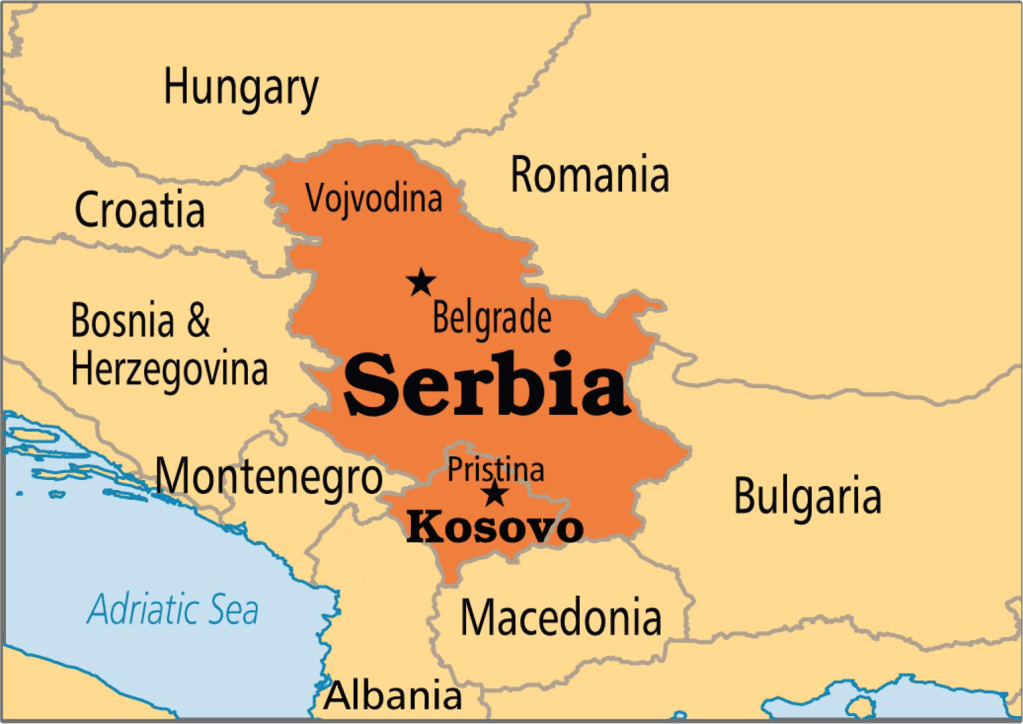
Links for further overview of Kosovo:

