
Christianity is the largest religion in Italy, with approximately 68% to 79% of the population identifying as Christian. While the country has no official state religion, Roman Catholicism remains the dominant cultural and spiritual force, shaped by the presence of the Vatican City enclave in Rome.
Major Denominations
While Catholicism is the vast majority, immigration and historical movements have diversified the landscape:
- Roman Catholic (61%–79%): The primary faith, with 225 dioceses—the most of any country except Brazil.
- Eastern Orthodox (3%): The second-largest Christian group, driven largely by immigration from Eastern Europe (especially Romania).
- Protestant (1%–4%): Includes the Waldensian Evangelical Church (native to Italy since the 12th century) and growing Pentecostal communities, particularly in the South.
- Jehovah’s Witnesses (~420,000): One of the fastest-growing and largest concentrations of this group in the world.
Trends & Practice
Despite high identification rates, religious practice is shifting:
- Secularization: Regular church attendance has declined; only about 19% of Italians are active, practicing believers.
- Generational Gap: Older generations remain deeply religious, while roughly 28% of the total population now identifies as irreligious (atheist or agnostic).
- Geographic Divide: The South remains more traditional and observant than the industrialized North and Central “red regions” like Tuscany and Emilia-Romagna.
Church & State
The relationship between Italy and the Church is governed by several legal frameworks:
- Lateran Treaty: Establishes the sovereignty of Vatican City and regulates relations with the Italian state.
- Eight per Thousand (Otto per Mille): Taxpayers can choose to direct 0.8% of their income tax to a recognized religious organization or a state welfare scheme.
- Freedom of Religion: Protected by the Constitution, allowing multiple denominations to sign “agreements” (Intese) with the state for legal recognition.
Cultural & Historical Impact
Christianity is inseparable from Italian identity and heritage:
- Art & Architecture: Italy hosts some of the world’s most famous Christian sites, including St. Peter’s Basilica, the Florence Cathedral, and the Basilica of St. Francis in Assisi.
- Patron Saints: St. Francis of Assisi and St. Catherine of Siena are the official patron saints of the nation.
- Political History: The Christian Democracy party dominated Italian politics from 1945 to 1994, reflecting deep Catholic influence on governance.
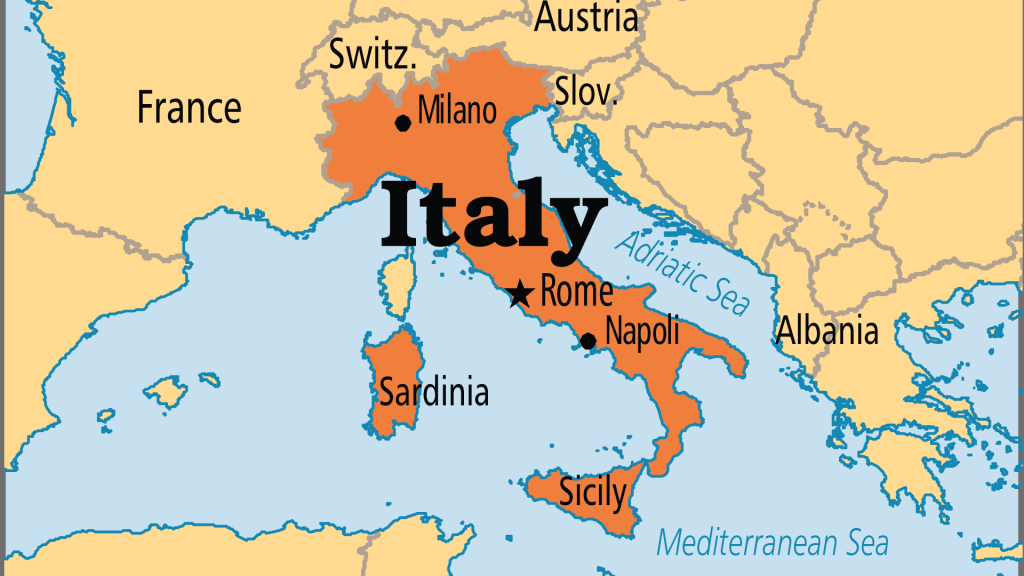
Links for further oversight of Italy:

